Glaxo turning Pennsylvania site into vaccine hub
MARIETTA, Pa. - GlaxoSmithKline P.L.C. yesterday announced a new $300 million Lancaster County vaccine plant that it said would be the hub for a big push into vaccine production in the United States.
MARIETTA, Pa. - GlaxoSmithKline P.L.C. yesterday announced a new $300 million Lancaster County vaccine plant that it said would be the hub for a big push into vaccine production in the United States.
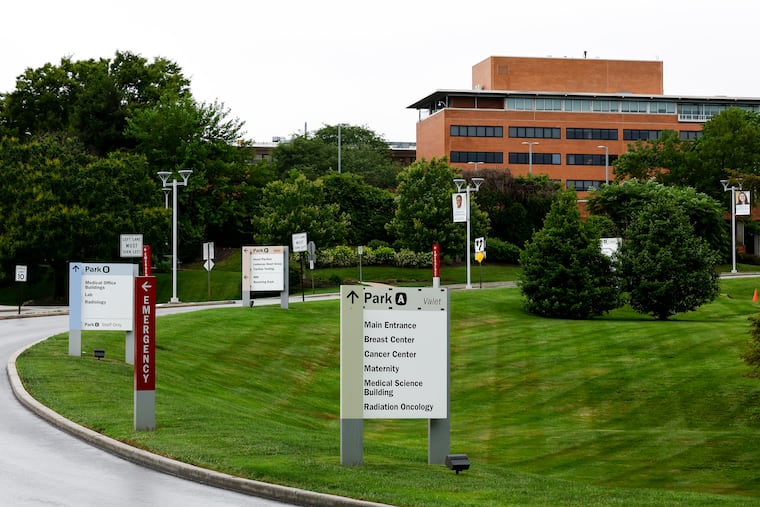
The London pharmaceutical company, which has large operations in the Philadelphia area, said it expected all its U.S. vaccines to come through the new Marietta facility, starting in April, when it would begin packaging its Energix Hepatitis B vaccine here. The 650,000-square-foot campus is built on farmland where, at the turn of the century, a doctor started producing the smallpox vaccine.
Although many companies have shifted drug production overseas, GlaxoSmithKline officials said they wanted a plant in the United States to be close to customers here. One goal is to get vaccines on the market quickly should a flu pandemic strike.
"We really believe that Marietta will be a unique and premiere facility in our global network," said Peter Lammers, vice president of GlaxoSmithKline's vaccine-business unit.
In this gleaming, stark set of buildings, high-tech cameras check vaccines for purity. Employees must pass through three rooms to ensure cleanliness as they put on coveralls, gloves and goggles to work on the production line. Not so much as a human hair gets anywhere near the vaccines.
"This place is run by computers," Lammers said.
The renovation shows how much vaccine production has changed over the years. For example, Glaxo used to fill vaccine vials individually by hand. Now, machines fill the vials.
GlaxoSmithKline bought the facility from Wyeth in 2005 and employs about 200 people here now, with plans to hire more, though it did not give a specific number. The company plans to have the U.S. Food and Drug Administration inspect the site this year and expects to be fully operational by 2013.
GlaxoSmithKline had about $4 billion in vaccine sales in 2007, accounting for about one-fifth of the global market, Lammers said. Its U.S. vaccines roster has grown from one in 1989 to 11 today and includes Rotarix for rotavirus and Fluarix for the flu. The company also makes Cervarix, a vaccine that protects against cervical cancer, but it has not yet been approved in the United States, which has allowed Merck & Co. Inc.'s competing vaccine, Gardasil, to get a foothold here.
GlaxoSmithKline expects to have 21 vaccines on the market by 2012, said Jag Dosanjh, vice president of adult vaccines. Most pharmaceutical companies see vaccines as a rapidly growing market because they are efficient at preventing disease and because developing countries increasingly have the ability to pay for them.