PhillyDeals: A look at PREIT's Foxwoods connection
While banks have been foreclosing on hard-luck and deadbeat homeowners, commercial landlords have been trying to postpone reality. They've been offering free months' rent and site improvements to lure or keep tenants, hoping prices will recover before they have to start writing properties down and taking fat losses.
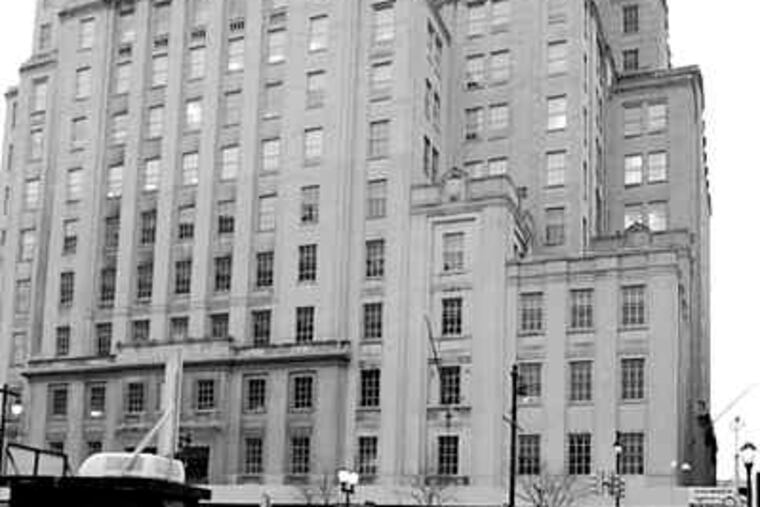
While banks have been foreclosing on hard-luck and deadbeat homeowners, commercial landlords have been trying to postpone reality.
They've been offering free months' rent and site improvements to lure or keep tenants, hoping prices will recover before they have to start writing properties down and taking fat losses.
The nation's second-biggest mall owner, General Growth Properties Inc., stepped in front of that game last week when it filed for Chapter 11 bankruptcy protection and became the biggest U.S. landlord to go bust, wiping out shareholders.
General, which owns the Neshaminy and Christiana malls and more than 150 others, owes $27 billion to cover the inflated prices it paid for properties earlier this decade.
If General is broke, you can bet other landlords will be facing facts. Philadelphia-area builders and brokers quietly predict a wave of condo-project bankruptcies and office-building transfers later this year.
What about our malls? By one measure, Pennsylvania Real Estate Investment Trust, which owns the Exton, Plymouth Meeting, Willow Grove, Cherry Hill, Moorestown, Voorhees and Gallery at Market East malls, among others, is in better shape than General was.
PREIT stock has doubled since its midwinter low, to $6.34 a share at the close of the market on Friday. General traded below $1 before it blew up.
But PREIT, like other retail landlords, is still under pressure, having paid for major renovations just in time for the consumer slowdown.
PREIT owns, among other properties, the vacant former Strawbridge & Clothier flagship store on Market Street, which has so far failed to lure Target, Boscov's, and other would-be tenants. The chairman and CEO of PREIT is Ronald Rubin.
Strawbridge's is where Foxwoods Casino Philadelphia now wants to open its slot-machine gambling hall, despite protests from Chinatown and Center City neighbors.
The Rubin Family Charitable Foundation, which Ronald Rubin founded, is the largest of Foxwood's local investors. It owns 18.5 percent of the Philadelphia investment group that holds the Foxwoods license, says Richard McGarvey, spokesman for the Pennsylvania Gaming Control Board.
So Rubin's casino plans to rent from Rubin's real estate company.
That's not how Foxwoods wants us to see it. The Rubin foundation and some other Foxwoods investors, calling themselves Washington Partners Community Charities L.P., have "irrevocably committed to use 100 percent of their profits for charitable causes in the Philadelphia region," says Foxwoods spokeswoman Maureen Garrity.
Rubin "is not involved in Washington Partners in any way personally. The charitable trust is a holder of the partnership interest and will receive distributions from the successful casino, which will then fund charitable causes," Garrity concluded. Rubin's brother, George, a PREIT vice chairman, is the foundation trustee.
Yet, under the federal conflict-of- interest rules that govern PREIT as a public company, Ronald Rubin is acting as if he is very much involved in Foxwoods.
According to PREIT general counsel Bruce Goldman, Rubin is recusing himself from deciding on any Foxwood lease for his company's property.
To comply with federal governance rules imposed in the early 2000s after the Enron scandal, "we have a special committee of our board that has to pass judgment on any transaction" that involves "related parties," Goldman told me.
So even if Ron Rubin isn't, as the Foxwoods' spokeswoman says, "involved" with the management of his family foundation, he still "has an interest, whether it's for-profit or not-for-profit," Goldman told me. As a result, Rubin "will be playing no role in the company's review" of the Foxwoods deal, if it gets that far, Goldman contends.
That might not be much comfort to gambling opponents, who want to kill the Rubin-to-Rubin transaction, not merely ensure it takes place at a fair price.
But the federal securities law that forced PREIT to acknowledge the Rubin connection to Foxwoods isn't meant to comfort Strawbridge's neighbors, or the many Philadelphians who say Gov. Rendell's whole slot-machine scheme is a tax on the poor and exploits human weakness.
It's meant to protect PREIT's shareholders, who will need all the deals the company can cut this year, so they don't end up like the people who owned, for example, General Growth Properties.