Prices, builder confidence showing off positive signs
WASHINGTON - The outlook for the U.S. economy brightened a little Tuesday after reports that consumer prices stayed tame and home-builder confidence rose to the highest level in six years.
WASHINGTON - The outlook for the U.S. economy brightened a little Tuesday after reports that consumer prices stayed tame and home-builder confidence rose to the highest level in six years.
A third report showed factory output grew only modestly in September, a reminder that the economy is still weak.
Low inflation could give consumers even more incentive to spend at a time when their confidence is at a five-year high. That could boost growth and help lift American manufacturers out from their slump.
The economy remains among the top issues for voters with just three weeks left before Election Day.
According to the Labor Department, the consumer price index rose a seasonally adjusted 0.6 percent in September. The increase was driven by higher gas prices. When excluding gas and food costs, prices rose just 0.1 percent. Overall prices have risen just 2 percent in the 12 months that ended in September, in line with the Federal Reserve's inflation target.
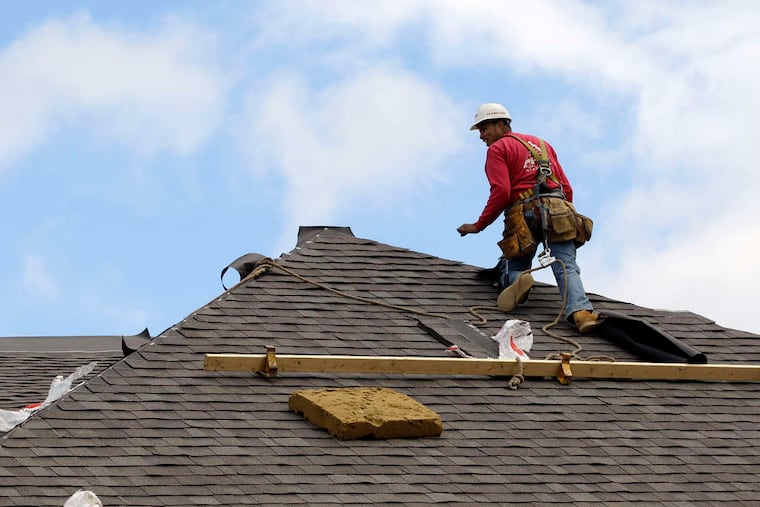
The National Association of Home Builders said its survey of builder confidence rose to 41 this month, the highest reading since June 2006. The index is still below 50, which indicates negative sentiment about the market. But it has steadily climbed over the past year from a reading of 17, further evidence of a slow but steady housing recovery.
The Federal Reserve said that output at factories, mines, and utilities rose 0.4 percent in September after a sharp decline in August. Factory output, the most important component of industrial production, edged up only 0.2 percent in September. The report also noted that factory output fell in the July-September quarter. That marked the first quarterly decline since the spring of 2009, when the country was still in recession.
Modest inflation leaves consumers with more money to spend. Consumer spending drives roughly 70 percent of U.S. economic activity.
The small increase in prices prompted the government to raise Social Security benefits 1.7 percent next year for 56 million recipients. The government increases benefits each year if prices rise. The boost was one of the smallest since automatic adjustments began in 1975.
Still, elderly Americans and other recipients will have a little more buying power. Social Security payments for retired workers average $1,237 a month, or about $14,800 a year. The increase is equal to roughly $21 more a month.