Bill Gates invests in King of Prussia biomaterial developer Renmatix
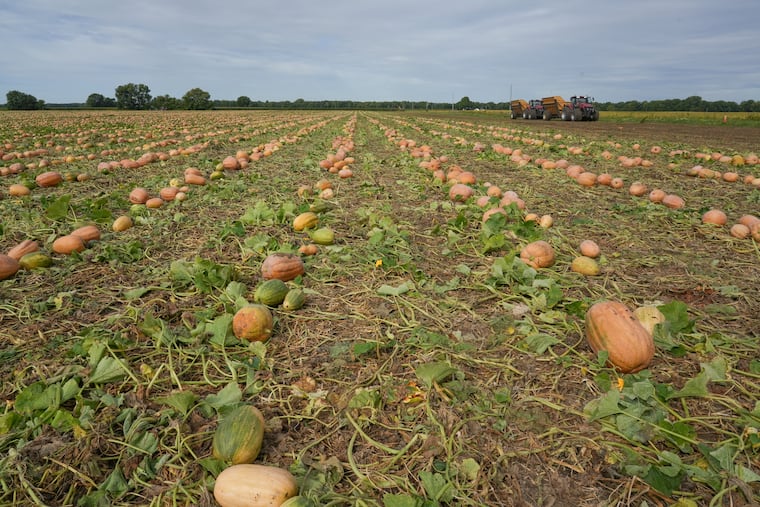
Microsoft founder Bill Gates has joined French oil giant Total in a $14 million investment in Renmatix, a King of Prussia company that has been working since 2008 on processes for turning plant waste into non-petroleum sources for plastics, chemicals, and biofuels.
In a measured statement, Gates called Renmatix's high-pressure Plantrose refining process for "cracking" waste matter from corn, sugar cane, or lumber into industrial raw materials "an innovative process that is an exciting pathway to pursue."
Gates said he is betting on promising alternatives to carbon burning, which should make it more profitable for companies to adopt processes that don't speed up the "climate change" that is boosting world temperatures.
Renmatix plans to announce the $14 million investment by Gates and Total on Thursday. Gates provided more than half that investment, Renmatix chief executive officer Mike Hamilton said in an interview.
The company has raised more than $140 million from chemical companies and venture capitalists since 2008, said senior vice president Mark Schweiker, the former Pennsylvania governor.
Total has signed a licensing agreement to produce up to one million tons of cellulosic sugar using Renmatix processes each year. Total also invested as part of an $11 million round of Renmatix fund-raising in 2015.
"We want to make low-carbon businesses a profitable growth driver accounting for 20 percent of our portfolio in 20 years," Total chairman and chief executive Patrick Pouyanné said in a statement. Total owns factories worldwide, including its Cray Valley USA LLC affiliate's hydrocarbon-based specialty-chemicals plant in Exton.
At recent prices for similar industrial sugars of about $440 a ton, and under terms common in the chemical-feedstock industry, the licensing deal with Total could bring Renmatix more than $20 million a year, reducing its reliance on outside investors and bringing the Montgomery County company closer to profits for its shareholders as it signs more deals.
Renmatix employs 40 scientists, lawyers, and other professionals at its King of Prussia office and labs. It has acquired a processing plant near Rome, N.Y., and a production demonstration facility in Kenesaw, Ga., but mostly plans to license its expanding portfolio of patents and processes instead of producing materials directly, said Hamilton, a former Rohm & Haas executive.
Earlier Renmatix investors have included BASF, the German chemical company; Kleiner, Perkins, Caufield & Byers, the seminal Silicon Valley venture-capital firm, whose partner John Doerr is a Renmatix director; and David Haas, whose family sold Rohm & Haas to Dow Chemical Co. in 2009.
Like Total, BASF plans to license Renmatix technology to produce materials for non-petroleum-based products.
Hamilton and Schweiker acknowledged that petroleum-based producers have felt less pressure to find alternative sources since the price of oil collapsed last year. But given the widespread availability of cheap biomass around the world, Hamilton said, they are confident low-cost processes such as Plantrose will find new markets as the technology is proven.
With its legacy of chemical employers including DuPont Co. and Rohm & Haas, the Philadelphia area has the potential to be an intellectual and business center of the growing biomaterials industry, Schweiker said.
Renmatix is exploring licensing agreements with producers in India, Malaysia, Canada, and other markets as well as the United States and Europe, Hamilton said, adding that the Gates investment will be used to develop business agreements.