Phila., poor districts winners in new Pa. school plan
School districts that serve Philadelphia and some of the region's poorer communities, such as Pottstown, Norristown, and Chester, would see major gains in state funding if Pennsylvania enacts a proposed education-funding formula.
School districts that serve Philadelphia and some of the region's poorer communities, such as Pottstown, Norristown, and Chester, would see major gains in state funding if Pennsylvania enacts a proposed education-funding formula.
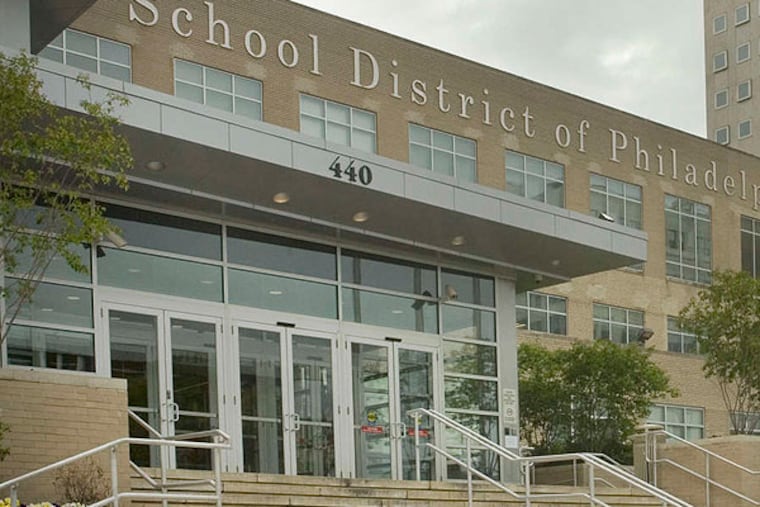
The formula would add an estimated $75 million to the Philadelphia School District budget - far less than the $200 million it is seeking - if it were applied to the 2015-16 school year under Gov. Wolf's proposed $30 billion budget.
The Chester Upland School District would gain $5.4 million under the plan, unveiled Thursday and detailed Friday by the bipartisan Basic Education Funding Commission.
Wealthier districts would be in line for far less of a windfall. For example, the New Hope-Solebury district would get only an additional $88,238 based on the formula, which gives additional weight to factors such as poverty, non-English-speaking students, and charter payments.
The new formula is proposed to go into effect in the 2016-17 school year. But the plan will require legislative approval, and the discussion will be tied to the fate of Wolf's proposed budget, with its controversial call for a tax on natural gas drilling. A budget must be enacted by June 30.
In the meantime, applying the formula to Wolf's proposed $400 million in new education aid offers glimpses into how much school districts would gain.
The cash-strapped William Penn School District in Delaware County, for example, would receive $1.6 million.
The formula would effectively increase the population of students in a district based on the weighting factors, which also include local tax burden, thus increasing potential aid.
For example, the student population of Chester Upland in Delaware County would jump from 6,970 to 36,776 after weighting factors were added.
Most of that increase comes from considering the district's tax effort - based on median household income, property values, and tax rate. In more affluent districts, the formula could have the opposite effect.
For example, New Hope-Solebury's student population, 1,580, would be reduced to 600 after adding the weight factors.
The Lower Merion School District would gain $351,000 if the formula were applied this year. Its adjusted tax burden would decrease the student population from 7,465 to 2,393, even after adding weight for its 166 students in poverty and 79 English-language learners.
The commission's report said disparities in wealth should be weighted because they affect academic achievement.
In Pottstown, the report noted, 54 percent of children live in poverty. The formula would nearly triple its student population and allocate $1.5 million if $400 million were distributed this year.
But in Perkiomen Valley and Upper Dublin, according to the report, the poverty level is less than 10 percent and 93 percent of third graders are proficient in reading.
Districts such as Norristown Area and Kennett Consolidated would receive weight for their high numbers of non-English-speaking students. Norristown, with 13.6 percent non-native-English speakers, would receive $1.5 million if the formula were applied to Wolf's proposed funding this year.
The full report was the result of a 15-member commission created last year by Gov. Tom Corbett to tackle disparities in how education aid is divided among the 501 districts.
610-313-8116@Lmccrystal
Inquirer staff writers Angela Couloumbis and Kristen A. Graham contributed to this article.