How easy is it to find out about crimes at Philly-area colleges?
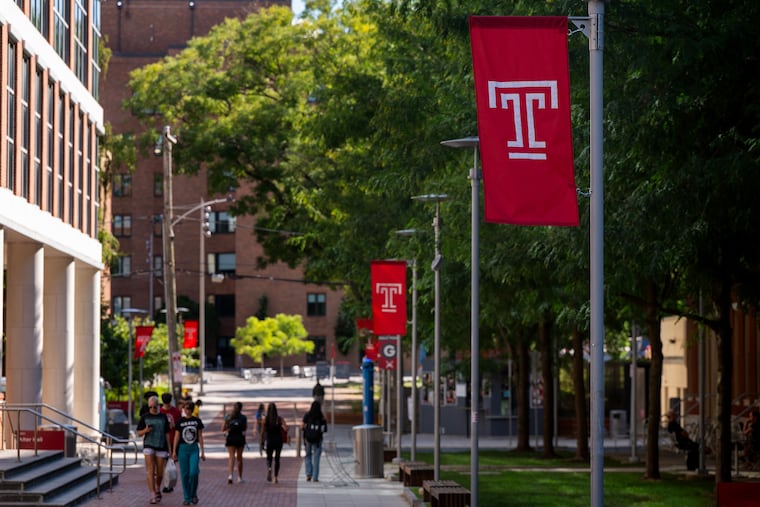
Temple University's 57,000 Twitter followers are usually quick to learn about violent crimes near campus.
At other universities, it's harder to know when such incidents happen. There are wide disparities in how much information the schools make easily available to the public.
Temple routinely broadcasts details about crimes like armed robberies via its main social media accounts. Others don't share information so publicly about reported incidents, but will do so for for unusual circumstances, like when a Philadelphia threat surfaced after a massacre left 10 dead at an Oregon college. At some, alerts are only sent to students and employees enrolled in an internal system.
But many local universities have residential populations nearby, or are located in growing business districts like University City. People who live and work in the area are also often interested in campus crime.
That's why it's relatively easy to learn about crimes near Temple, said Charlie Leone, director of Campus Safety Services.
"We tell outside folks to follow us on Twitter," he said. "It's better to put it out. People look at us as a university that is transparent."
Federal law requires schools to keep crime logs that list the time, date, location and nature of offenses. But colleges vary in how accessible that information is. Anyone -- regardless of whether they attend or work for the school -- can pull up details online of crimes reported as far back as two months at colleges like Penn, Drexel and Rutgers-Camden. Other universities, like La Salle and St. Joseph's, have no such list on their websites at all.
All of the schools make their annual reports of crime statistics, also required by the federal law known as the Clery Act, available online and in print.
There's no one-size-fits-all approach to notifying the public about crime, said Alison Kiss, executive director for Security on Campus, a Wayne-based nonprofit that advocates for college safety.
Frequent warnings can sometimes desensitize students, Kiss said. But she added that universities shouldn't shy away from releasing information, particularly about under-reported offenses like sex crimes, due to concerns that doing so will fuel perceptions about a high amount of crime on campus.
"The more campuses do their own campaigns, the more they say, 'We are aware, we don't deny that this happening,' the more people come forward," she said.
Here's a sampling of what information is readily available about crimes on area college campuses:
Community College of Philadelphia
Website: The school doesn't have an online crime log. During emergencies, it posts information about the college's operating status on its homepage.
Alerts: The college has a mass-notification system that includes email and text alerts.
Social media: The school's social media accounts (Facebook.com/CCPedu, @CCPedu) share information about what students should do during emergency situations but typically don't include details about incidents.
Drexel University
Website: Drexel's online crime log lists details about crimes reported in the past 60 days.
Alerts: Students, faculty and staff can sign up for the DrexelALERT system to receive email and text notifications.
Social media: The university generally doesn't post information about crimes on its main social media accounts.
La Salle University
Website: La Salle doesn't post its crime log online. Alerts are accessible on the school's portal, for which users need a university log-in.
Alerts: Students, faculty and staff can sign up for for text alerts.
Social media: The university's Facebook and Twitter accounts do not post information about crimes.
University of Pennsylvania
Website: Penn's online crime log includes details for 60 days of reported incidents.
Alerts: Students, faculty and staff can register to receive text and email alerts through the college's UPennAlert system.
Social media: Penn's main institutional accounts don't post information about crimes. The Division of Public Safety's Twitter account (@PennDPS) posts traffic advisories but not details about specific incidents of crimes.
Rutgers - Camden
Website: More than three months of crimes are listed in the university's online crime log. The campus police department's website lists whether there are any active safety alerts.
Alerts: Students and staff can sign up for text alerts.
Social media: The university sometimes posts public safety warnings on its main social media accounts (Facebook.com/RutgersCamden, @RutgersCamden) but doesn't generally post details of specific crimes.
Rutgers - New Brunswick
Website: Details of incidents reported over the past three months are available on the school's online crime log.
Alerts: Students and staff can sign up for text alerts.
Social media: Information and alerts about specific crime are posted frequently on the campus police department's Facebook (Facebook.com/RutgersPoliceDepartment) and Twitter (@rutgers_police) accounts. The university's main social media accounts (Facebook.com/RutgersU, @RutgersU) occasionally post information about crime, but only in unusual circumstances.
St. Joseph's University
Website: St. Joe's doesn't post its crime log online. The school's main public safety page does include information from the most recent alert issued.
Alerts: The university has an emergency-notification system that includes text, email, web, signage and social media messages.
Social media: St. Joe's emergency-alert system includes social media. The school has posted warnings and threats on its main social accounts (Facebook.com/SaintJosephsUniversity, @saintjosephs), but doesn't generally distribute details about reported crimes on them.
Temple University
Website: Temple posts 10 days of reported incidents on its online crime log.
Alerts: The university's TUalert system sends text and email notifications to students, faculty and staff.
Social media: Temple posts basic details about incidents like robberies and shootings on its main Twitter account, @TempleUniv. The school's police force also has a Twitter account (@tu_police), but it typically isn't used to post information about specific crimes.
Villanova University
Website: Villanova doesn't make its crime log accessible online. The Department of Public Safety's website notes whether any active alerts are in effect.
Alerts: Students and employees can register for the university's NOVA Alert system. Students can add their parents to receive alerts from their accounts.
Social media: The college doesn't put information about reported crimes on its social media accounts.