National Geographic takes on the Philly mob
PHILLY MOB. 9 p.m. Sunday. National Geographic Channel. Whatever would possess the National Geographic Channel to pit real mob bosses Angelo Bruno, Nicky Scarfo and Joey Merlino against the nation's beloved fictional crime boss, HBO's Tony Soprano, on Sunday?
PHILLY MOB. 9 p.m. Sunday. National Geographic Channel.
Whatever would possess the National Geographic Channel to pit real mob bosses Angelo Bruno, Nicky Scarfo and Joey Merlino against the nation's beloved fictional crime boss, HBO's Tony Soprano, on Sunday?
Nevertheless, let us be grateful that National Geographic has recognized a mob outside of New York, even if it did gum up our mob chronology at times and failed to recognize significant events.
The TV special tries to summarize a 25-year history of the Philadelphia mob in just one hour, by highlighting eras led by the low-key gentle don Bruno, the blood-thirsty Scarfo, dramatizing the rivalry between John Stanfa and the Merlino faction and acknowledging Merlino's Me Generation mobsters' role in the crime family's demise.
What gives the program credibility, however, are the "retirees" who offer firsthand accounts of what the mob was like during the different reigns:
* Ex-mob soldier-turned-informant Nicholas "Nicky Crow" Caramandi recalls feeling at his initiation that "I died and went to heaven," because it meant, "You're somebody now."
"If [Scarfo] didn't like somebody he'd kill 'em," said The Crow. He relates how he topped his boss' hit list after his failed attempt to shake down the late developer, Willard Rouse, of Liberty Place fame.
* Klaus Rohr, retired head of the FBI's organized crime squad in the 1970s-1980s, and his retired FBI successor, James T. Maher, describe their strategies as they tracked down one crime family after another and provide insights about the different mobsters and eras.
* Onetime mob associate Fred Aldrich gives a chilling account of an attempted mob hit during rush-hour morning traffic on the Schuylkill Expressway on Aug. 31, 1993. He was driving Stanfa as a van creeps up behind them, strafes their car with bullets and hits Stanfa's son, Joseph, in the face.
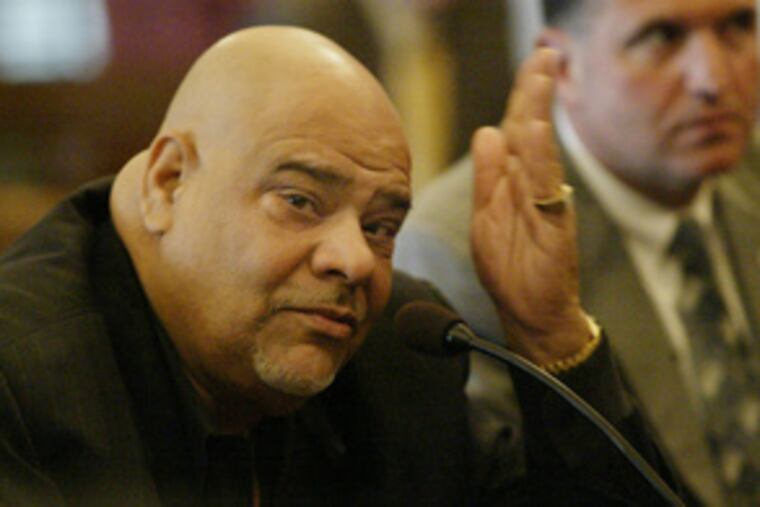
* What makes the show priceless is Ron Previte, the onetime Philly cop turned mob capo whose undercover work for the FBI takes down three mob bosses.
He should have been the narrator, instead of actor Anthony LaPaglia.
Previte is as good before the camera as he was on the witness stand, describing simultaneous demands of the mob bosses and the FBI, while fearing that he'd be killed at any moment while taping 400 hours of underworld conversations over three years.
"The FBI pandered to my weakness: money," admitted Previte, who was earning $9,000 a month plus expenses from taxpayers while running lucrative mob sports betting operations for his mob bosses.
Inquirer mob reporter George Anastasia provides anecdotal segues, noting mob history and its many characters.
What is missing in this documentary, however, are the hilarious mishaps (dare we say stupidities?) of the gang that couldn't shoot straight: the gun that misfires because it's loaded with the wrong size bullets; the mobster who signs his name to the leased rental car used in a hit; Merlino, in Halloween costume, running out of ammo because he fires too many shots out the car window en route to his failed attempt to kill Scarfo's son, Nicky.
The narrator pumps up Merlino in the 1980s when mobsters considered him a punk, and later in a stentorian voice, announces that Merlino was shot in the back, when we know he actually was shot in the butt.
During the 1993 mob war, Merlino dodged more than two dozen attempts on his life - not because he was smart, but because his enemies admitted they were inept. He was usually too drunk to know of their failed attempts.
The documentary highlights the violence, but skirts the exacting toll of those who lost their lives - more than 30 murders in the Scarfo era and numerous mob hits, many unsuccessful, during the 1993 mob war.
The violence had an effect: more than 100 convictions under a tough federal racketeering statute and dozens of mobsters, fearful of lengthy prison sentences or their own imminent demise who fled to authorities and the Witness Protection Program.
In this version of the Philadelphia Mafia story, there are no rivalries among the many law enforcement agencies who brought the mob down. And there is no reference to the current holder of the top mob job, Joe Ligambi.
That may be because the experts consider the current mob nothing more than a street gang these days, albeit one that is still under investigation. *