Cushion-making is yet another use for soy
The hottest trend in upholstered furniture is hidden in the seat cushions - soybean-based foam, which is being used more and more for sofas and chairs.
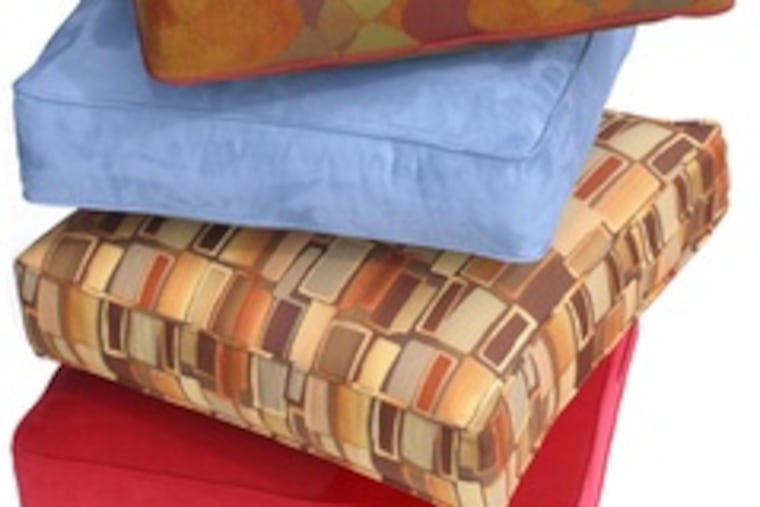
The hottest trend in upholstered furniture is hidden in the seat cushions - soybean-based foam, which is being used more and more for sofas and chairs.
The product reduces the amount of petroleum used in polyurethane foam, the core material in cushions - just as there's rising concern over oil prices and the availability of raw materials.
Norwalk Furniture, a custom-upholstery maker and nationwide retailer, recently made the switch to foam containing soy for its standard sofas and chairs.
"It's a major part of our green journey," says Reyna Moore, director of sales and marketing for Norwalk, which also uses recycled wire and steel for its machine-tied-coil-seating systems and natural fibers for its covers. "We know customers are becoming more environmentally aware."
Lane Home Furniture has started to use soy foam in its pieces, as has Lee Industries, whose soy-foam NaturalLEE line also includes back and throw pillows made entirely of fibers from recycled bottles.
Soy foam was born after Cargill, the agricultural-products giant in Minnesota, and the Kansas Polymer Research Institute developed the product BiOH, a soybean oil.
Foam manufacturers such as Hickory Springs are now using BiOH. Its soy-based foam, Preserve, is used in Norwalk Furniture and Lee Industries pieces.
Flexible foam such as Preserve is made of two primary petroleum-based ingredients, polyol and toluene diisocyanate, that are mixed with water.
The first generation of Preserve foam uses 10 percent to 20 percent soy product, about one to two pounds of soy in a standard-size sofa. Foam made with larger amounts of soy emitted an odor, says Bobby Bush, Hickory Springs' vice president of foam and environmental technology.
"It smelled like burnt popcorn," Bush says. "Some people thought it smelled like burnt motor oil."
But research continues, and the company expects soon to introduce odorless second-generation Preserve products that have a higher soy percentage. They will include a high-resiliency foam and memory foam, which can be used for mattresses.
Preserve performs similarly to traditional polyurethane foam, Bush says, meaning it breaks down at roughly the same rate.
That means Preserve is not totally green, but it is more environmentally friendly because it's made partly from soybeans, a renewable resource.
At this point, it's not cheaper to produce Preserve, Bush says. But as prices for petroleum continue to increase, the soy-based product is expected to be less expensive to make than traditional foam.