Matthew Shipp plays at Art Alliance
Wilmington-born pianist/composer Matthew Shipp is jazz's Philip Seymour Hoffman - a dynamic character player equally riveting when taking the lead. Having carved an iconic niche where nu-classical meets the avant-garde, he has a sensitivity in the tradition of Cecil Taylor (but warmer) and Thelonius Monk (without so many yuks).
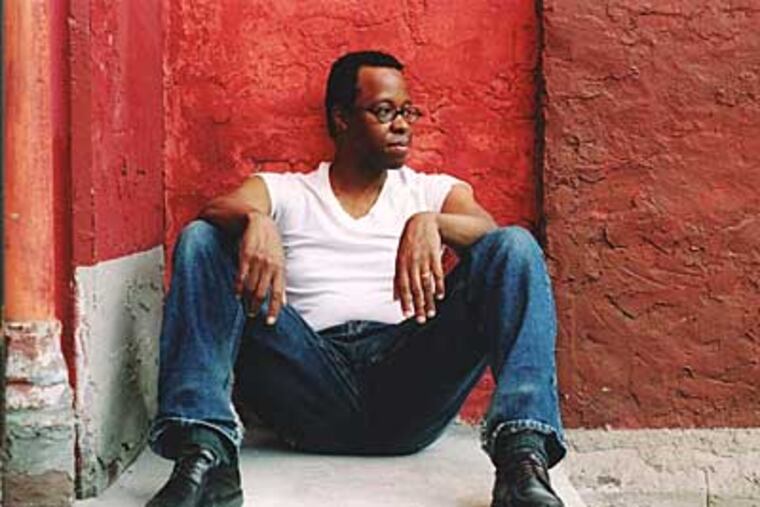
Wilmington-born pianist/composer Matthew Shipp is jazz's Philip Seymour Hoffman - a dynamic character player equally riveting when taking the lead. Having carved an iconic niche where nu-classical meets the avant-garde, he has a sensitivity in the tradition of Cecil Taylor (but warmer) and Thelonius Monk (without so many yuks). That's made him both a unique leader and a collaborator with the diverse likes of David S. Ware and William Parker (his most famous gigs), old jazz cats like Roscoe Mitchell, and space-hop oddities like El-P.
His first CD in two years, Harmonic Disorder, celebrates a more restrained, tender display of playing and interpretation than usually found in the Shipp handbook. But you wouldn't have recognized much in the way of forbearance when he and trio-mates Joe Morris (double bass) and Whit Dickey (drums) sold out Friday's Ars Nova Workshop at the Art Alliance.
The subtly mad strains of "GNG" filled the mahogany stairwell of the Rittenhouse mansion before Shipp & Co. shifted to a twinkling take on "Someday My Prince Will Come." While Morris and Dickey laid down a rubbery rhythmic bed, Shipp turned "Prince" into an electrifyingly warm bop. With shoulders hunched and eyes downward, his long arms sailed atop the keys as he infused the melody with rapid-fire bits of what sounded like Leonard Bernstein's "Cool." As his hand darted, it was as if he were playing a particularly physical game of three-card monte.
While Dickey's soft skittles went from frenzy to calm, Shipp vamped his way into the free angular ballad "Mel Chi 2." Here Morris executed an elastic neo-Middle-Eastern solo as Shipp struck his ax's lower keys in what sounded like a theme from a courtroom drama.
Once the gavel came down (metaphorically), Shipp found a lovely repetitious melody that hummed like a mantra, then blossomed into the trio's take on classics of the jazz canon. A jovial "What Is This Thing Called Love?" mixed bits of Monk's " 'Round Midnight" and a barroom piano's hiccup into its jumble before the rhythm section crafted a dazzling dub fade-out sans effects. "There Will Never Be Another You" was sultry yet stinging, romantic yet unwilling to relax. That sums up Shipp's night nicely.