Malaysian reality show finds a faithful audience
Task-based quest for young Muslim leader is cable hit.
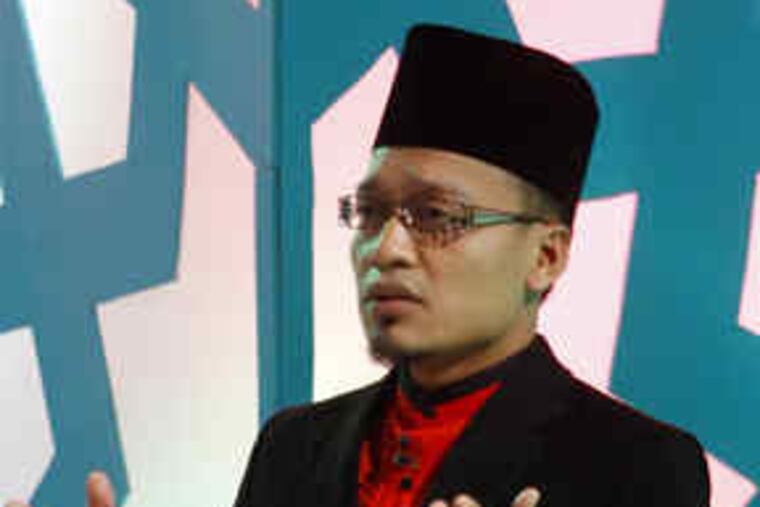
KUALA LUMPUR, Malaysia - The 10 young men have washed corpses according to Islamic rites, cried while counseling unmarried pregnant women, and joined a police crackdown on teenage motorcycle racers - all before judges on national TV.
A cable station has given a reality-show makeover to its Islamic programming, and it is taking this moderate Muslim-majority country by storm.
The show, called Imam Muda or "Young Leader," is halfway through a 10-week run. With its blend of doctrine and drama, it is a natural fit for Malaysia, a Southeast Asian nation that has tried to defend its Islamic traditions while also welcoming high-tech industry and Western culture. These parallel strains in society are what the program taps so successfully.
The producers say they want to find a leader for these times, a pious but progressive Muslim who can prove that religion remains relevant to Malaysian youths despite the influence of Western pop culture. Even the prizes combine both worlds: An all-expenses-paid pilgrimage to Mecca and a car.
"This is not like other programs that have no religious values," says the show's chief judge, Hasan Mahmud al-Hafiz, a former prayer leader at Malaysia's national mosque. "We have no shouting or jumping. We provide spiritual food. We're not looking for a singer or a fashion model."
In 21st-century Malaysia, it's a formula that works. Producers say the show has become the Islamic-themed channel's most-watched program ever.
"We try not to miss a single episode, because we find that we learn new things about our religion," says Fauziana Ismail, 25, a nurse, who watches it with her husband and his parents every week.
More than 1,000 men auditioned for the show. They were made to recite prayers, were given tests on Islam, and were asked questions on current affairs such as naming world leaders. Background checks were done to ensure none had an unsavory past.
In the end, 10 were left, including a bank officer, a farmer, and university students.
Most of the contestants, men 18 to 27, could pass as models.
They are sequestered in a mosque hostel with no access to family or friends.
"I want to fulfill my responsibility to my religion and my community by being here," said Taufek Noh, 27, a motivational speaker, during a break in taping.
He was allowed time off to get married June 12. He spent one night with his bride before being whisked back into seclusion with the other contestants.