A creepy mystery based on wealth, class
The Poison Tree and The Dark Rose, Erin Kelly's first two novels, were engrossing thrillers with wonderful plot twists and loose ends that didn't get tied up until the very last page.
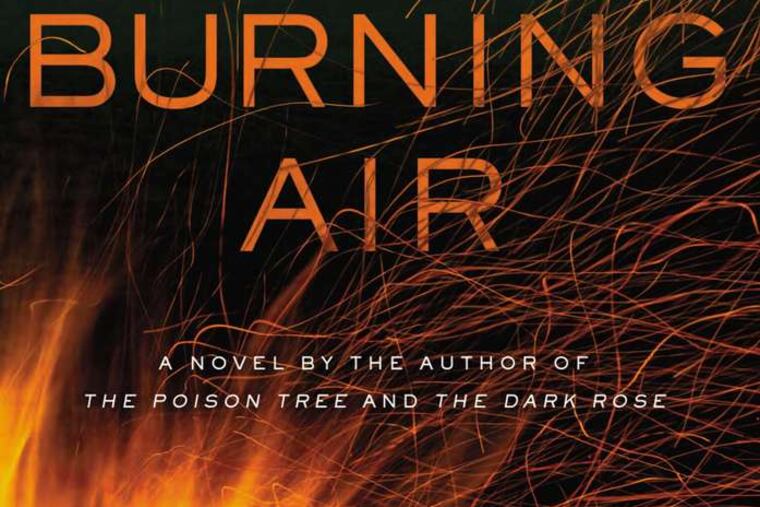
The Burning Air
By Erin Kelly
Pamela Dorman Books. 321 pp. $26.95
nolead ends nolead begins
Reviewed by Katie Haegele
The Poison Tree and The Dark Rose, Erin Kelly's first two novels, were engrossing thrillers with wonderful plot twists and loose ends that didn't get tied up until the very last page.
Set partially in the '90s, both novels are romantic and gothic, with crumbling London mansions and pouty heroines who go around smoking clove cigarettes and studying medieval tapestry. Their thick, heady atmosphere, which is less cheesy and more self-aware than this review is making it sound, accounts for at least 50 percent of their appeal.
The backdrop to The Burning Air is less attractive, and this starts the novel off on weaker footing. Though Kelly sets us up with a teaser - the beginnings of a confession made years after the secret deed was done - the first quarter of the book is just a limply literary depiction of some vaguely unlikable people on vacation.
The story opens as the happy, privileged, extended family of the MacBrides gather at their country home to observe Guy Fawkes Day, a traditional English weekend of bonfires and parties. Close-knit and chummy, they do this every year. But this year's holiday is marred by the recent death of family matriarch Lydia, who as a court judge and wife of the headmaster of a prestigious private school, was a pillar of the community. She and her husband, Rowan, raised their children, Sophie, Tara, and Felix, in a beautiful home with every advantage, including enrollment at the school.
Rowan, unhinged by grief, gets stinking drunk on the night the others get there, which is so unusual as to shock his grown children. Throughout the evening, the siblings arrive with their own children and partners, one of whom is an outsider to their little tribe. Felix's new girlfriend, with her pale skin and shining black hair, is beautiful - seemingly far out of his league - but weirdly silent. The stranger in their midst lends the get-together, already haunted by Lydia's absence, a vague feeling of unease.
This being a thriller, we're not meant to be surprised when, during the chaos of Bonfire Night, everything goes terribly wrong. What is surprising is how the incident fails to grab us by the lapels. There's something unappetizing about the MacBrides; they're uptight and uninteresting, but their flaws aren't so extreme as to make them seem dastardly. It's hard to tell how Kelly wants us to view them.
What a treat it is, then, when she dips back 15 years to tell us a new story. This one, about a strange, deprived child whose life intersects unhappily with the MacBrides', is creepy and suspenseful - deliciously engaging - and delivers the novel's most stunning surprise. As she proved twice before, Kelly is a mystery writer of great skill, and she's in full command of her talents here. It won't interfere with anyone's enjoyment of the novel to reveal that Kelly takes on the thorny issue of social class, and the way good "fortune," when it comes to wealth and opportunity, is rarely about luck.
Fictional stories scare us because they contain a kernel of truth; they must play on real fears, or they won't succeed. Creeping, unspoken anxieties of the kind that people might feel when they suspect they don't deserve their privilege, and guilty secrets - those skeletons rattling loudly in the closet - work best of all. Kelly has brought all these elements together to create an unsettling atmosphere almost Shakespearean in its combination of divided loyalties, confused identities, and fatal flaws.
If by the novel's end you aren't sure which characters deserve your sympathy, she has succeeded in both giving you a thrill and making you think.