Inviting the Natives
The typical American home landscape is 80 percent Asian plants. Most are beautiful, and some provide shade, shelter and maybe a little nectar and pollen. But otherwise, they have little to offer indigenous insects, birds, and other wildlife in the local ecosystem.
The typical American home landscape is 80 percent Asian plants. Most are beautiful, and some provide shade, shelter and maybe a little nectar and pollen. But otherwise, they have little to offer indigenous insects, birds, and other wildlife in the local ecosystem.
Rick Darke and Doug Tallamy, coauthors of The Living Landscape: Designing for Beauty and Biodiversity in the Home Garden, aren't suggesting we nuke our nonnative crape myrtles (or roses or tulips). Better to add layers of native trees, shrubs, perennials, and vines to the mix, "creating landscapes that support life without sacrificing traditional aesthetic values."
Native serviceberry trees are just as pretty as crape myrtle. They also support 124 species of caterpillars, the larvae of butterflies and moths, which birds love.
"So crape myrtle is great," Tallamy says. "Just don't make it the only plant in your yard."
In your newfound native zeal, don't rip up the entire yard all at once. Remove pieces over time, adding diverse plantings as you go.
Buy small plants or grow from seed.
The plants will have plenty of time to root and adapt to weather extremes and soil. "If you're willing to watch plants grow from seed," Tallamy says, "you can have an oak tree for free in not too many years."
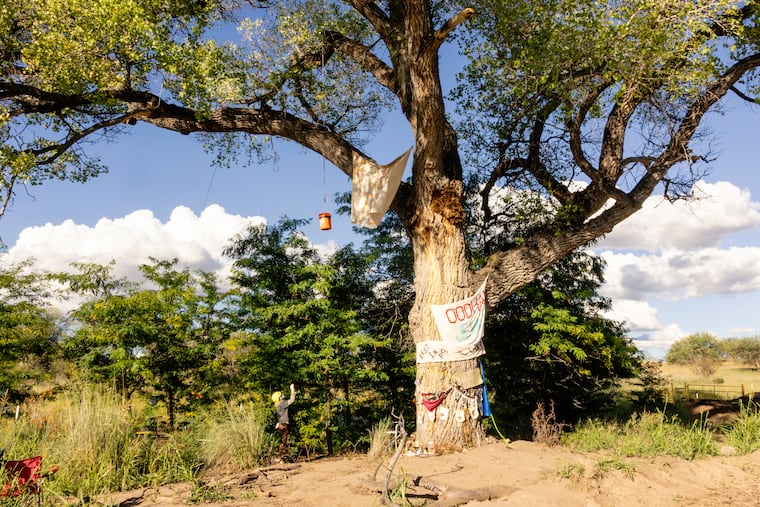
Think of all plants as "organic architecture."
Use them "to organize the spaces in your garden," Darke says, "to find refuge, create places to sit, walk, read, play, throw a ball for the dog or the kids."
Darke's garden has lovely native bluebells growing alongside European wood tulips and snowdrops, which he insists must be "durable and not harmful, not consumptive."
And if only one-third of your newly blended landscape is native, he says, "you end up with more native plants than you had before."
- Virginia A. Smith
EndText