'Excellent Lombards': An extraordinary family faces the future
The Wisconsin apple orchard that belongs to the Lombard family in Jane Hamilton's hypnotic new novel is a beacon for the nostalgic and the hopeful, those who nurse their memories carefully and tend to them the way the Lombards care for their trees, their sheep, even their poor, doomed lambs.
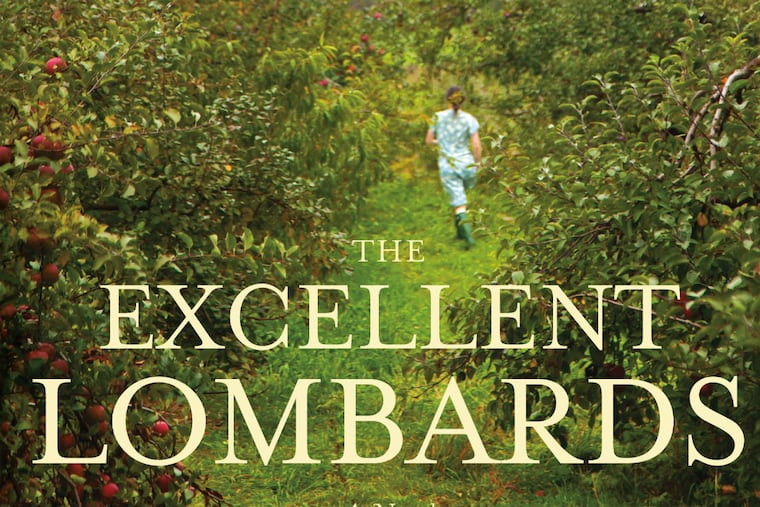
The Excellent Lombards
By Jane Hamilton
Grand Central
288 pp. $26 nolead ends
nolead begins
Reviewed by
Connie Ogle
nolead ends The Wisconsin apple orchard that belongs to the Lombard family in Jane Hamilton's hypnotic new novel is a beacon for the nostalgic and the hopeful, those who nurse their memories carefully and tend to them the way the Lombards care for their trees, their sheep, even their poor, doomed lambs.
Narrator Mary Frances "Frankie" Lombard describes the appeal: "There were plenty of people who felt, the minute they started down our long driveway, that they were returning to a bygone time. 'Don't ever change a thing,' they cried."
But change comes. How Frankie comes to understand this hard lesson is the heart of this lovely coming-of-age novel.
The Excellent Lombards, Hamilton's seventh book, is funny and heartbreaking. If it feels lighter than some of her earlier works, it is still a moving elegy for an idyllic way of life that's slipping away.
Frankie, of course, has no plan to leave her home. She is sure she and brother William, one year older, will grow up to run the orchard, the fourth generation in a family business mostly owned by their father and his cousin Sherwood. But the orchard is a kingdom divided, bristling with tension, with the lackadaisical Sherwood still bitter over the way Frankie's father worked his way into the legacy. The children invent names for the factions: Velta (where Frankie and William live) and Volta (where their cousins live). Frankie dreams of ruling it all - but unexpected interlopers are on the way.
Hamilton, who lives in an apple orchard and has raised her own children there, understands the natural rhythms of rural life and fills Frankie's days with enticing details (how an orchard worker charms her father with a special blend of cider each season) and unsentimental realities (the lambs are adorable but not destined to live long). Eventually, outside forces exert an undeniable pull, like the arrival of the family's first computer in 1990. The adult Frankie, looking back, marvels at William's slow but inexorable retreat, marked by the arrival of the MacIntosh. But Frankie, too, finds her own interests betraying her.
Hamilton sketches all of her excellent Lombards, especially Frankie, with humor and compassion. If anything, this novel is a love story about a family. Riding around the county with her father one day, Frankie realizes: "All the love in the world - it was in our car." All that love is in this story, too.
This review originally appeared in the Miami Herald.