In tough economy, even houses of worship are in need
The adverse effect of a down economy has now hit your pew at your house of worship. In these tough economic times, churches, mosques, and synagogues, like many corporations and organizations, face a conundrum: These places of worship are being called on more than ever to help those in need, yet they are receiving less from supporters.
The adverse effect of a down economy has now hit your pew at your house of worship. In these tough economic times, churches, mosques, and synagogues, like many corporations and organizations, face a conundrum: These places of worship are being called on more than ever to help those in need, yet they are receiving less from supporters.
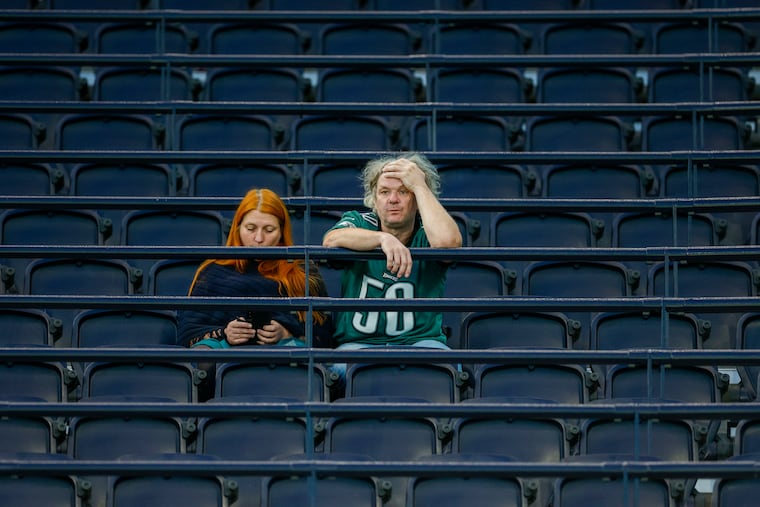
Churches have always been pillars in the community and as such see it as their divine duty to meet the spiritual and human needs of the faithful. With unemployment around 9 percent, unemployed worshipers are unable to give as much as they did during good economic times.
Churches and parishioners alike are feeling the pinch. "My family is giving less, I have three hungry little children and a car payment to meet," said parishioner Daphne Baker. "People are tithing less, they're not cutting programs, just funding less, and the musicians who once got paid aren't anymore."
"Most Catholic parishes, like other faith-based organizations, are reluctant to lay off workers," said Villanova economics professor Charles Zech. "They cope by not replacing parish staff who have left, asking workers to take furloughs - which are in effect unpaid vacations - or work fewer hours per week, and cutting back on other expenses. There aren't many additional revenue-raising options available to them."
According to a recent study by the Barna Research Group, which studies issues affecting churches and congregations, most churches indicated that their financial resources were negatively affected by the economy, resulting in a moderate decline in those congregations.
The study found that the number of churchgoers who had cut back on their giving jumped from 20 percent to 29 percent in about a three-month period. The number of adults who reduced giving to nonprofits in general jumped from 31 percent to 48 percent in that same time period.
"Catholic churches, as all churches, have been impacted in two ways. The most obvious one is through parishioner giving. When there is a recession and parishioners either see their pay cut or lose their jobs altogether, they naturally need to rethink their contributions," Zech said.
"Along with that, the recession has caused the stock market to go down, so parish revenues from investment have decreased. Fortunately, few parishes rely heavily on investment income, so this hasn't been as severe."Despite the economic struggles, some churchgoers still feel obligated to give a portion of their earnings as taught in their religion, whether it be the full 10 percent or less.
"I'm giving the same, it's important to give your 10 percent no matter the economy," said Lurena Jackson of Gates of Heaven Pentecostal Church.
Muslims also give obligatory Zakat, which is similar to the tithe. "I'm giving just as much, as Muslims we are responsible to give 2.5 percent," said Khalil Brown of the Islamic Family center in East Oak Lane.
"You can tell it [the economy] affects the people because the people are struggling," Brown said. "You have to do things to get things done. People are making more sacrifices to meet the money needs, we sell dinners and cakes on Friday, there are also different projects for maintenance that we ask for money."
With the fall of the economy the demand for need has gone up.
"Our food bank ministry is working harder with regard to providing for needy families," said Carrie Hawkins of North Baptist Church Food Bank Ministry.
In tough economic times, parishioners and houses of worship alike lean on each other even more. They say this is not the time give up on each other.