Is it a gene that makes a man a family guy?
Are men, like dogs, inclined by nature to mate and run? Or are they more like penguin males, so devoted that they sit on their mates' eggs through brutal Antarctic winters?
Are men, like dogs, inclined by nature to mate and run? Or are they more like penguin males, so devoted that they sit on their mates' eggs through brutal Antarctic winters?
It depends. A new study finds a genetic difference may nudge some men to form close family ties and others to remain detached.
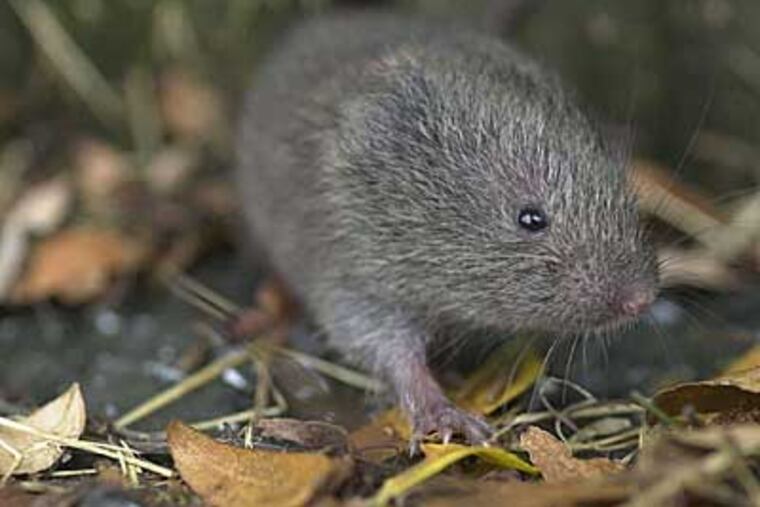
The gene in question, vasopressin receptor 1a, got attention a few years back when scientists discovered its power over closely related species of furry mammals called voles. Male meadow voles mate indiscriminately, while male prairie voles stick around and help groom and protect their offspring.
The brain chemical vasopressin turned out to drive this behavior. A vole's susceptibility to it depends on variations in the AVPR1A gene.
The new study, published last week in Proceedings of the National Academy of Sciences, finds that human males carry several slightly different forms of AVPR1A, says Pennsylvania State University psychologist Jenae Neiderhiser.
Through genetic tests and interviews with 2,186 men who were in relationships with women, she and colleagues from Sweden found that the presence of one variant, dubbed 334, was correlated with lower scores on a measure they called the Partner Bonding Scale. It was also linked to more marital discord and greater likelihood of a past divorce.
The team also interviewed the men's wives or partners. Women paired with men carrying one or two copies of the 334 variant - about 40 percent of those studied - described "more turmoil in the relationship," Neiderhiser says, and less affection, less cohesion and less closeness.
"But they were as satisfied as the wives or partners of men with no 334," she says, a seeming conundrum that might merit further study.
- Faye Flam