Dave Davies: Grim news at the local level
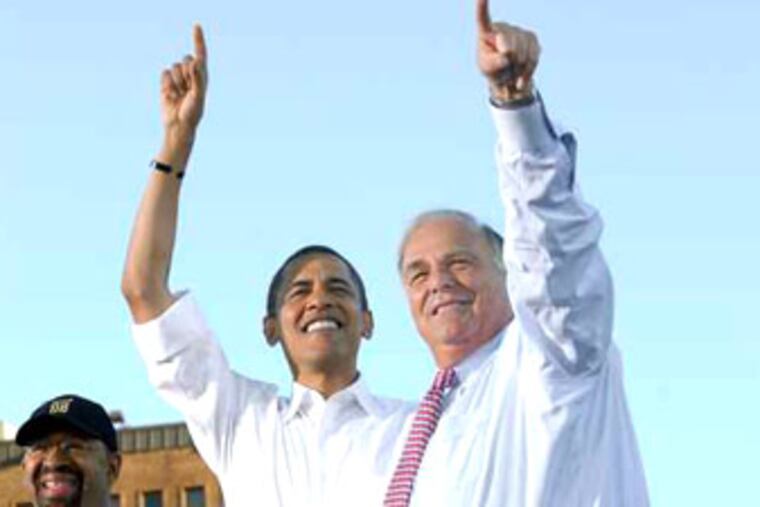
HEY, YOU got a minute? Before President Obama addresses Congress and the nation tonight about reviving the economy, I want to call attention to what, from my seat, looks like a huge, ghastly and little-covered national-policy blunder.
HEY, YOU got a minute?
Before President Obama addresses Congress and the nation tonight about reviving the economy, I want to call attention to what, from my seat, looks like a huge, ghastly and little-covered national-policy blunder.
I refer to the massive anti-stimulus program that will be enacted in the coming months in city halls, county seats and state capitols across the country.
You see, while the federal government starts spending three-quarters of a trillion bucks on new projects and tax breaks to stimulate the economy, state and local governments are being forced to raise taxes and fees on their citizens, directly undermining the stimulus package.
State and local leaders are facing massive budget deficits due to the sorry economy and sagging tax revenues.
And while the federal government can run deficits, most state and local governments are required by law to balance their budgets every year.
So, Washington can react to an economic downturn by borrowing and spending, but the beleaguered souls who manage police departments, parks and libraries are forced to make choices in which everybody loses.
New York City has already raised property taxes, and Mayor Michael Bloomberg is asking for a sales-tax hike too. That's on top of proposed increases in transit fares and bridge tolls.
In Philadelphia, Mayor Nutter has to come up with something like $200 million in savings or revenue over the next 16 months. No doubt there's some waste to cut, and city unions will be asked to help with work-rule and benefit changes.
But it's hard to see how we get out of this mess without a tax increase, whether you call it a trash-collection fee or something else, and real service cuts.
Local tax hikes, of course, will directly blunt the effect of the stimulus bill.
Citizens will get cash in extended unemployment compensation and other tax breaks for the working poor, then give it back in tax and fee hikes.
And we're looking at service cuts that could fundamentally alter our quality of life and put some of us in danger.
Do we really want fewer cops out there with a harsh economy putting more predators on the streets?
And what do kids in struggling neighborhoods do if we gut recreation programs, or make them walk two miles after school for a warm, safe library to study in?
The federal package offered some help to governors, in part because a lot of what state governments do is to pass through and manage federal programs.
So, stimulus money for Medicaid and education made governors happy, though many still face big shortfalls.
And the package included money for infrastructure projects and other purposes that will help cities, at least indirectly.
But the pleas of mayors for direct assistance to cities went largely ignored, and I have to wonder if that's in part because we pay so little attention to local government.
Most of my bright and informed friends who read the New York Times and listen to public radio could name the top strategists of the presidential campaigns last year, and can rattle off several Cabinet members today.
But they can't name three members of Philadelphia City Council or their own state senator.
I understand this.
State and local governments are pretty boring, unless you make the effort to understand the issues and political dramas within, which most people don't.
But our fascination with Washington and disinterest in City Hall gets absorbed by our congressional reps and reflected in decisions they make.
One good thing about the citizen budget-balancing workshops that the Penn Project for Civic Engagement and WHYY are conducting these days is that they get people to think about what local government does, and what it really costs.
Given the stakes, that can only help. *
Send e-mail to daviesd@phillynews.com or call 215-854-2595