Teva to pay $512M to resolve Provigil-delay lawsuit
Teva Pharmaceutical Industries Ltd. will pay $512 million to resolve a class-action lawsuit that accused the drugmaker of conspiring to delay sales of generic versions of its sleep-disorder medicine Provigil, ending almost a decade of litigation.
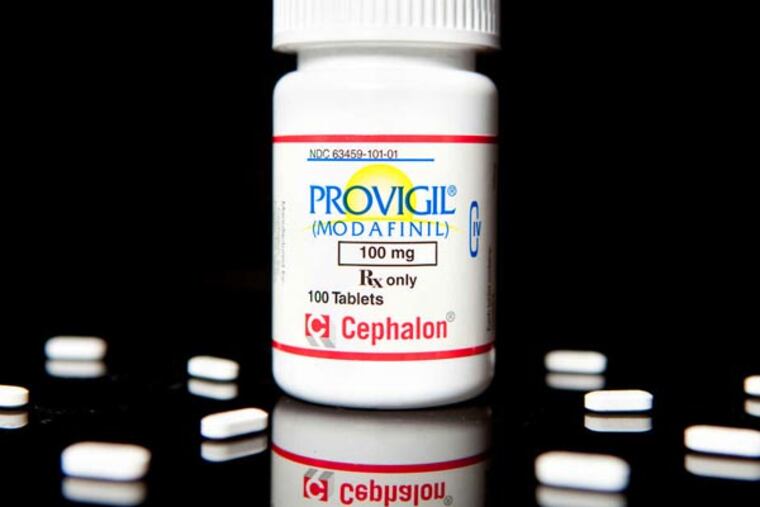
Teva Pharmaceutical Industries Ltd. will pay $512 million to resolve a class-action lawsuit that accused the drugmaker of conspiring to delay sales of generic versions of its sleep-disorder medicine Provigil, ending almost a decade of litigation.
Cephalon Inc., which Teva acquired in 2011, agreed to settle the antitrust case after a federal judge in Philadelphia refused this year to throw out purchasers' claims that agreements between drugmakers to postpone release of generic medicines amount to anticompetitive behavior.
Teva is based in Israel and has facilities in the Philadelphia area. Cephalon's headquarters was in Frazer before Teva acquired the drugmaker.
The settlement is the largest in a case over attempts to slow the pace of less-expensive generic drugs getting onto the U.S. market, attorneys for Provigil purchasers said in court filings.
In 2013, the Federal Trade Commission said pay-for-delay accords cost drug purchasers as much as $3.5 billion a year. The pharmaceutical industry counters that the deals are legitimate resolutions of patent-infringement suits.
Denise Bradley, a spokeswoman for Teva, said Monday's settlement resulted from agreements made in 2005 and 2006 over Provigil.
The suits targeted agreements about the generic version of the sleep-disorder drug that were designed to "settle patent litigation" over the medicine, Bradley said in a statement. The Food and Drug Administration in 1998 approved Provigil to treat narcolepsy and sleep apnea or to help people who work irregular hours get to sleep.
Cephalon reached four patent accords with generic drugmakers so they would not begin selling Provigil until 2012. Wholesalers that bought the drug; health plans; and Apotex Inc., a generic drug company, sued to challenge those agreements.
Companies that bought the drug for resale from June 24, 2006, through Aug. 31, 2012, are eligible to receive settlement payments, according to court filings.
["This settlement (more than double the previous record) shows the strength of the FTC's case," Rutgers-Camden law professor Michael A. Carrier, who studies antitrust litigation, told The Inquirer by e-mail. "A previous court ruled that the patent was not valid . . . and there were some real anticompetitive concerns with Cephalon's payments totaling $300 million to the generics.]
Other drugmakers accused in the suit of seeking to slow the sales of generic drugs, such as Mylan Inc. and Ranbaxy Laboratories Ltd., are not part of the accord, according to the filings.
The U.S. Supreme Court opened the door to generic-delay suits in 2013 when it reversed a lower-court ruling that effectively insulated pharmaceutical companies from liability for such agreements.
Other companies have been sued over the same practice employed by Teva, also known as reverse payment. H. Lundbeck A/S was fined $100 million by European regulators in 2013 over settlements regarding its antidepressant Celexa.
Astellas Pharma Inc. agreed in January to pay $98 million to resolve suits over an alleged scheme to delay generic versions of its immune-suppressant drug Prograf.
The Louisiana Wholesale Drug Co. and other distributors sued Tokyo-based Astellas for seeking to delay sales of generic Prograf for two years by filing a "sham" petition with the FDA to require safety and efficacy tests, according to court filings.