Philly teen taught caretaker to appreciate life
When he arrived at Magee Rehabilitation Hospital on a winter day in 2011, all Ousmane Barry knew about his new patient was what he had read in his file. Marvin Brown. 19. Gunshot victim. Quadriplegic. Barely talking. Deeply depressed. In constant pain.
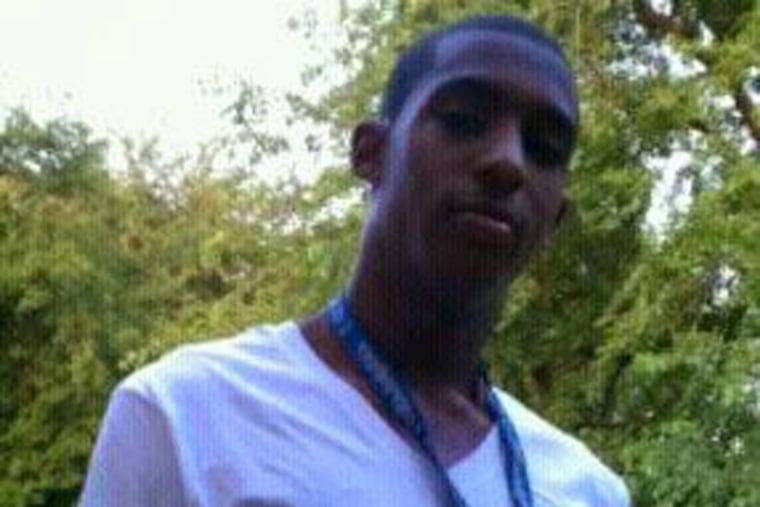
When he arrived at Magee Rehabilitation Hospital on a winter day in 2011, all Ousmane Barry knew about his new patient was what he had read in his file. Marvin Brown. 19. Gunshot victim. Quadriplegic. Barely talking. Deeply depressed. In constant pain.
After months of surgeries that mended his body only enough for him to move his head, Marvin was to be released. He was going home to a small front room in his father's house in Southwest Philadelphia.
Ousmane would be his primary nurse, his caretaker. Five days a week, 12 hours a day. Ousmane, then a 32-year-old native of Sierra Leone with a 6-year-old son, knew this would be his most difficult job.
Marvin was a kid - a kid who had his independence snatched away.
That day in the hospital, Ousmane sat at Marvin's bedside, feeding him cold cereal. Marvin seemed guarded, saying almost nothing.
In the first few months in the small front room on South 61st Street, it felt like there was nothing Ousmane could do to ease his patient's pain.
Marvin was paralyzed from his neck down, but the cruelty of his type of injury was that he could feel pain all over his body. Neuropathic pain in his shoulders and arms. Terrible stomach pain from bullets that pierced his abdomen.
Repositioning did not help. Medicine barely helped. It pained Ousmane to not be able to help more.
At first, Marvin was argumentative about everything. He did not want to listen to Ousmane. Listening would mean accepting.
One morning, while feeding him, Ousmane asked, "What happened?"
He meant the shooting. He knew from the file, but he wanted Marvin to know he cared.
"I don't think I'm ready for that," Marvin said.
Weeks passed. One morning, Marvin started talking.
He had been throwing dice against a wall in June 2011 when a 20-year-old named Edward Sheed walked up behind him with a gun. The man took his phone. Marvin called out after him as he walked away, then turned his back. That's when he felt the bullets. His chest, his abdomen, his neck.
He thought he was dead. He was cold. There were white lights. Then he woke up in the hospital. And that, he told Ousmane, was hell.
All those days in the small front room. The two men grew close. Like family. Marvin began to trust him. Ousmane began to open up about his own life. So did Marvin.
He talked about his mother, Angie, who was shot and killed in an unsolved case in North Philly when he was 10. How her addiction made him feel ashamed and angry. How people didn't understand. How some wrote him off as just a bad kid. How, now, he felt like nothing but a burden.
With no ramp or motorized wheelchair, he left the house only for doctor's appointments. He languished on a waiting list for handicapped-accessible housing.
But without ever leaving the house, Ousmane and Marvin went places. They would get lost in programs on the Travel Channel, with Marvin wanting to follow host Anthony Bourdain around the world. To Detroit for Middle Eastern food. Down South for barbecue. To Monaco to ride luxury yachts. Marvin marveled at the bizarre foods they ate on the Food Network, laughing at how he would draw the line at bugs.
They would talk of winning lotteries they never played, and of sports cars and mansions.
"Just silly stuff, dreams," Ousmane recalls.
Some days they would talk about Marvin's anger, about all that he felt he lost, about how he wished he could get out of the bed and be more of a father figure to his nieces and nephews.
Sometimes they wouldn't talk at all.
On days when Marvin would lie with tears in his eyes and say, "Ous, I can't take this no more," Ousmane would remind him that he had been through worse. That his heart had stopped three times on the operating table.
"You're a cat, you got nine lives, and you've only died three times," he would say to get a smile.
Marvin had come to accept his condition, but wanted to live more fully despite it. Get an online degree in psychology. Talk to kids about his life.
"I'm a better person now," Marvin would tell Ousmane.
In April, Ousmane started a GoFundMe account to raise money for a handicapped-accessible van for Marvin. To help him live "a somewhat more normal life" - to achieve his new goals. The aim was to raise $30,000. In three months, they raised $195.
They thought the trip to the hospital a few Fridays ago would be routine. But it wasn't. Doctors found a blood clot in Marvin's lung. He was gone the next day.
Sheed, who was doing 30 to 62 years in prison for Marvin's shooting, has now been charged with murder.
Ousmane misses the patient who became his friend. Thinks about him all the time. Of their years in that small room.
He thinks that despite all he did for Marvin, he may have benefited from their time together more than Marvin did.
Marvin Brown, he said, taught him how to appreciate life.