Renewing the Whosoever Gospel Mission
Before the fire, the Whosoever Gospel Mission was the kind of dark and cluttered place that might appear to bury hope, not resurrect it, in the lives of the homeless men it served.
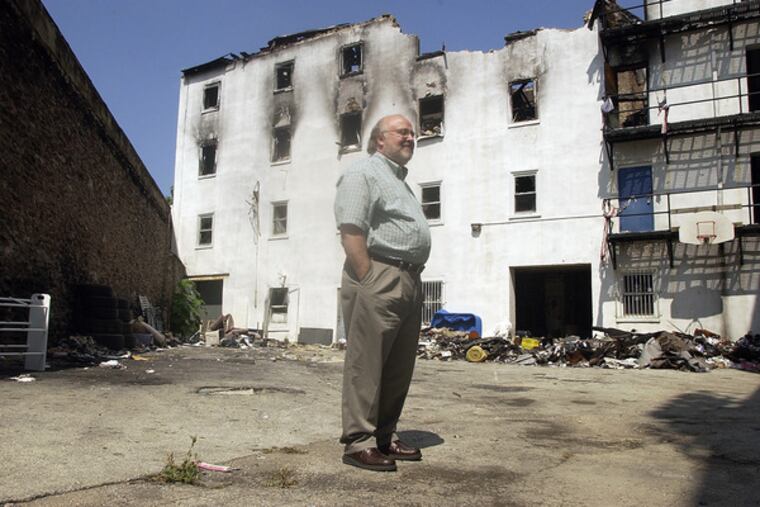
Before the fire, the Whosoever Gospel Mission was the kind of dark and cluttered place that might appear to bury hope, not resurrect it, in the lives of the homeless men it served.
The building on Chelten Avenue was an aging former mill dating back to another century, when an ex-alcoholic founded the rehabilitation program in a nearby tavern where he used to drink.
A three-alarm blaze closed the mission in 2006, destroying its warehouse and damaging its dormitory.
This month, the mission will reopen in the kind of bright, newly renovated surroundings that match the promise of its ideals.
"It's rising up even better than before," said Rufus Belton Jr., 53, a graduate of the program who is now a sanitation worker in Philadelphia and a dorm manager at the mission.
The impending completion of the $3.7 million renovation project marks a milestone in nearly three years of cleanup, fund-raising, planning and rebuilding. Volunteers pitched in to haul trash, develop architectural drawings, and donate money and services to save the mission.
Inside are new bathrooms, laundry rooms, offices, an improved kitchen, and renovated dormitory space that will house 50 men. Atop the building is the mission's signature "Jesus Never Fails" sign, which mission officials call a neon promise to the men and to the community.
The program is slated to open sometime before Thanksgiving. The restart comes not a moment too soon, said the Rev. LeRoi Simmons, executive director of the Central Germantown Council, an economic development group.
"We've missed them terribly," Simmons said. "There are guys living in Vernon Park who had been in the program and gotten cleaned up pretty good, but when the mission burned down, they just drifted."
The mission offers a holistic, Bible-based program of six to nine months that includes alcohol and drug rehabilitation, housing, tutoring, job training, and job-search counseling. Members must attend chapel and work at the mission for the first three months of their program. Mission staffers then help them find a job or further their education.
Not all the stories end happily. One of the men the mission tried to help nearly destroyed it. Paul Wilkins, a former resident, set the 2006 fire.
Wilkins, who was later diagnosed by a prison psychologist as a serial arsonist, was sentenced to 60 months in jail for setting several fires, including the February fire and an earlier smaller blaze at the mission, said the Rev. Bob Emberger, the mission's executive director.
William Raws founded the mission in 1892. When the program became too large for the building that first housed it, Raws purchased a nearby mill and moved the mission to its current location, where it has helped more than 700,000 men in its century-long history.
The reopening comes at a time when there is some tension in the neighborhood over such programs. An effort to turn a nearby convent into permanent apartments for homeless men met opposition from neighbors. The city Zoning Board of Adjustment then refused a request for a zoning change needed to open the apartments. A rehearing of that case is scheduled for today.
"If the mission tried to open brand-new today, the community would rise up," Simmons said. "People feel there are too many social-service agencies in the area - but the need is here."
The mission's long history in the neighborhood - along with its supervision, security and curfews - has helped its relationship with neighbors, said Susan Mills Farrington, the mission board's president.
With word of the reopening, men already have begun to stop by to find out when they can sign up.
Programming will be offered in two phases, dictated by the strength of the mission's fund-raising in tough economic times. The rebuilding program was funded by a combination of insurance, and donations. A $1 million capital campaign called "Rising from the Ashes" is under way.
The mission is $500,000 short of its goal. Until the funds are raised, the mission will operate at half of its capacity, serving only 25 clients.
The financial climate may also affect efforts to find jobs for the men, said Heather Rice, a 28-year-old vocational counselor at the mission who began volunteering when she was 13. Even so, mission staffers are moving forward enthusiastically.
They plan to reopen the thrift store that occupies the front of the building. (It is one of two thrift shops operated by the mission.) And officials are laying the groundwork for a $4 million campaign to open a similar program for homeless women and their children called Hannah's Place.
"As a religious institution, we believe God will provide," president Farrington said. "And that's how we've felt all along."