State can recoup Kiddie Kollege cleanup money from broker
A year ago, New Jersey paid roughly $1 million to clean up and demolish the Kiddie Kollege day-care center, which made national news in 2006 when environmental inspectors discovered it had been housed in a mercury-contaminated former factory.
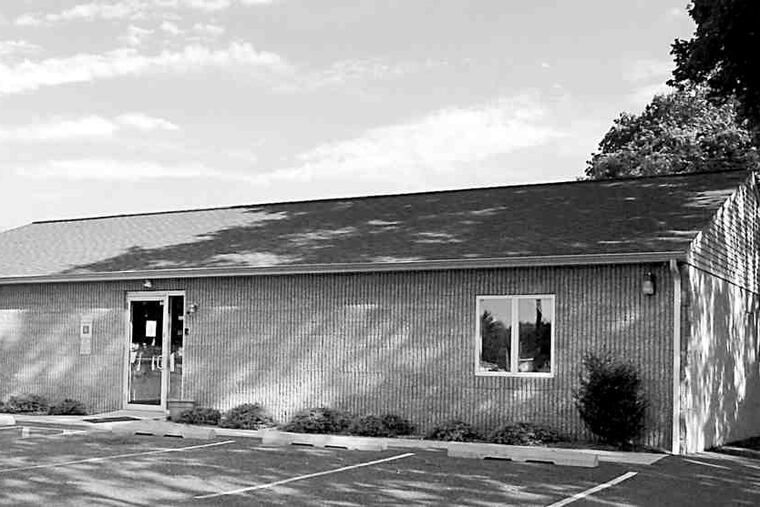
A year ago, New Jersey paid roughly $1 million to clean up and demolish the Kiddie Kollege day-care center, which made national news in 2006 when environmental inspectors discovered it had been housed in a mercury-contaminated former factory.
A state appeals court ruling issued Thursday will allow the state to recoup that money from the real estate broker who purchased the abandoned Gloucester County building and converted it into a facility attended by about 100 children, including infants.
In a 21-page decision, the appeals panel overturned a 2009 trial court ruling that voided the deed Jim Sullivan 3d and family members obtained when they foreclosed on the building after paying its former owner's delinquent taxes. Superior Court Judge James Rafferty, now retired, had said the Franklin Township tax collector should have expressly warned the Sullivans that the old thermometer factory was tainted.
The new ruling "clears the way for the state to move forward and recover the costs" of the remediation, said Larry Hajna, spokesman for the state Department of Environmental Protection. Taxpayer money is spent to clean up properties when the polluter or the owner of a contaminated site doesn't pay, he said.
Rafferty's decision, Hajna said, made it difficult to take legal action against the Sullivans for reimbursement. The factory's previous owner had declared bankruptcy and moved to Virginia.
The appeals panel ruling is the latest in a long string of litigation over Kiddie Kollege.
In October, Sullivan and his family's businesses settled with the parents whose Kiddie Kollege children inhaled mercury vapors, which can cause brain and kidney ailments. The Sullivans agreed to pay $1 million just as the class-action suit was to go to trial.
The trial went on against the town, county, and state, which the parents said were negligent for allowing the day care to open. In January, the judge established a medical-monitoring fund so that the children could be tested over a period of years. He ordered the DEP and the township to contribute to the fund, saying their failures led to the opening of the day care.
The monitoring has not started as lawyers wrangle in court over legal fees. At the time of the trial, none of the children had shown adverse symptoms, according to the testimony.
Thursday's ruling came a year after written arguments were submitted in the matter of the voided deed. The state and township appealed Rafferty's decision.
"We're very disappointed in this decision and are assessing our options as to further proceedings," said Richard Hluchan, the Sullivans' attorney.
James Maley Jr., Franklin Township's attorney, said in an e-mail: "We are pleased the Appellate Division corrected the trial court's error. We believe this is the first step in correcting the trial court's other rulings which we believe are also in error."
He did not elaborate and could not be reached for comment. At the time of trial, Maley objected to having the town contribute to the monitoring fund.
Tina DeSilvio, whose two children attended Kiddie Kollege, agreed with Thursday's ruling. "I think [the Sullivans] are liable and should clean up that mess," she said.
According to the state Tax Sale Law, when someone pays delinquent taxes on a property and then forecloses on it, the sale is final, said the appeals panel.
Hluchan had argued in the lower court that another law, the Industrial Site Recovery Act, allowed for a deed to be vacated if the owner of a contaminated site failed to clean up a property before it was transferred. The appeals court said that law did not apply in sales that were designed to get a property back on the tax rolls.
The appeals panel said that an environmental protection report town officials gave to the Sullivans prior to the purchase, and a notice that warned buyers that some of the tax-sale properties might be contaminated, "should have at least alerted them" to the possibility the building was tainted.
The EPA report said mercury had spilled in the building and vapors were detected.
It is up to purchasers to find out if a property needs remediation before finalizing the sale, the appeals court said. "Buyers of tax liens, frequently bargain-hunters, are expected to buy a pig in a poke.
The law does not provide them with warranties or guarantees or special protection," the court wrote.