2 roles, 2 fates in tragedy
The two men were linked by their roles in a tragedy: the 2013 building collapse that buried a Salvation Army thrift store, killing six and injuring 13.
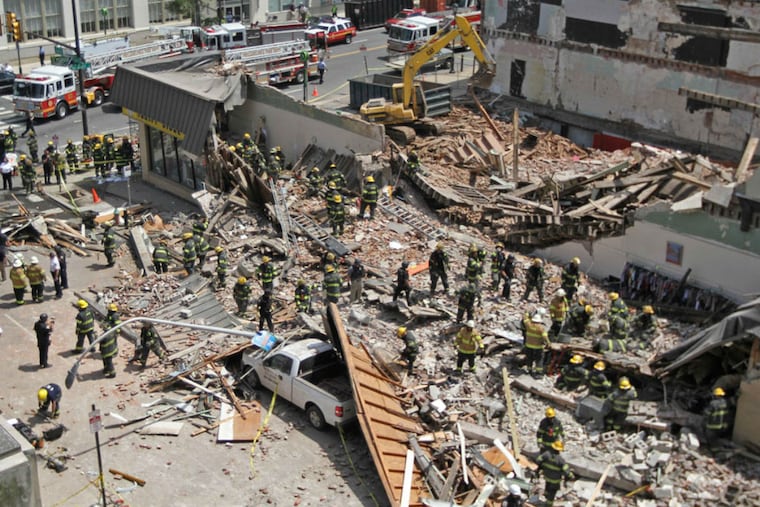
The two men were linked by their roles in a tragedy: the 2013 building collapse that buried a Salvation Army thrift store, killing six and injuring 13.
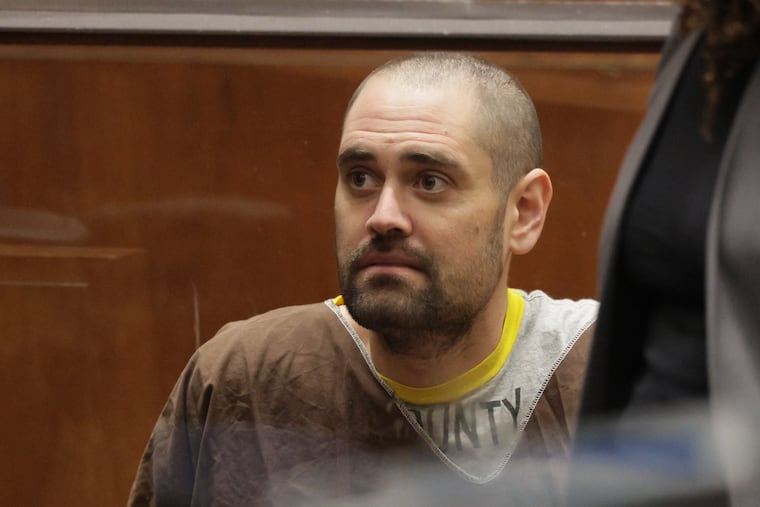
At the defense table sat Griffin Campbell, 51, of Hunting Park, a high school graduate who worked as a carpenter and concrete paver and ran a lunch truck before settling on buying and fixing up abandoned houses in North Philadelphia.
Campbell had been offered an end to his money woes - a major Center City demolition project - by the man seated about 30 feet away in the witness box, architect Plato A. Marinakos Jr.
The contrast could not have been more stark:
Marinakos, 49, of Center City, is the son of a retired hospital CEO, has a bachelor's degree in art history from Vassar College and a master's in architecture from the University of Pennsylvania, and has been an architect for more than 20 years with his own firm, Plato-Studio.
But the biggest difference between the two men was why they were in a Philadelphia courtroom.
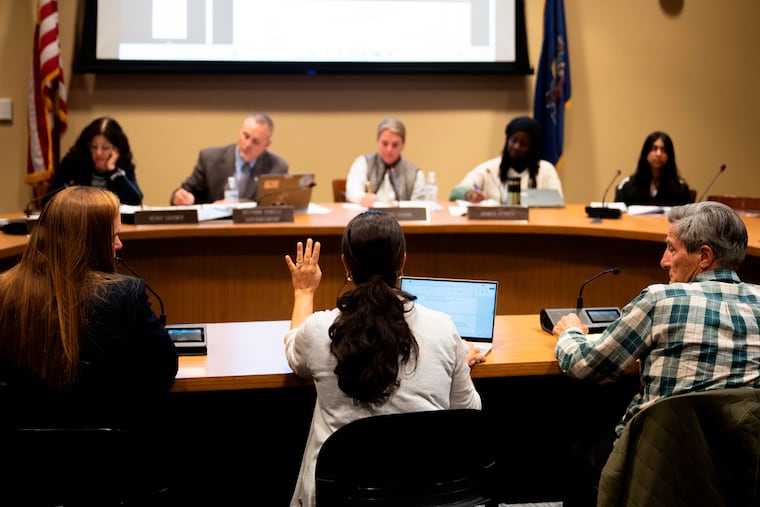
Campbell was in custody, on trial for six counts of third-degree murder, facing life in prison if found guilty. Marinakos was free, working as an architect, and testifying against Campbell with immunity from prosecution.
It's no wonder defense lawyer William D. Hobson mentioned that contrast every chance he got - the "North Philly working guy" and the "licensed, board-certified architect."
That strategy may have worked. On Monday, a Common Pleas Court jury found Campbell guilty of six counts of involuntary manslaughter, acquitting him of murder.
Certainly, Hobson's argument was not lost on the public. Newspaper editorials, columns, letters to the editor, and social media postings questioned the fairness of prosecutors' pinning criminal culpability for the disaster on a small-time contractor while the architect and multimillionaire property owner were not charged.
Hobson's strategy - couching the trial in terms of class and race (Campbell is black, Marinakos white) - was tricky. Common Pleas Court Judge Glenn B. Bronson chastised him several times for encouraging "jury nullification," suggesting that jurors ignore the law and acquit Campbell out of fairness.
"We certainly were aware of how this was being perceived," said Edward McCann, a first assistant district attorney.
Nor was that perception lost on Jennifer Selber and Edward Cameron, the two city prosecutors who handled the trial.
In his closing argument, Cameron reminded jurors that their only job was to decide whether Campbell was guilty, not why Marinakos was not charged.
"I'm not sorry for one second that Plato Marinakos was given immunity," Cameron said. "He had every right to remain silent."
From the start, according to trial testimony, Marinakos made it clear that he would invoke his Fifth Amendment right against self-incrimination and not answer questions unless granted immunity from prosecution.
Invoking the Fifth Amendment requires an understanding of that right, which is why Hobson's strategy had impact. It was based in reality, the reality that says high school dropouts tend to be less successful than college graduates.
Marinakos had that sophistication and immediately understood what was at stake.
Campbell might have been expected to know better. He had been charged before with a crime, in 2008, part of an insurance fraud scheme. He pleaded guilty and got probation.
But when he testified in the collapse trial, Campbell came across as struggling to keep up with life. Always short of money, struggling to get out of bankruptcy, he jumped at Marinakos' offer to demolish five buildings owned by developer Richard Basciano.
Campbell testified that he never read the contract Marinakos handed him to sign. That was a crucial error because the contract stipulated that Campbell - not Basciano or Marinakos - bore sole responsibility for the "means and methods" used to demolish the buildings and protecting public safety.
Prosecutors repeatedly cited those contract terms at Campbell's trial, during which they alleged that he short-changed public safety to maximize the salvage value of material from the damaged buildings.
Marinakos, however, said his contract with Basciano required only that he monitor progress of demolition and approve payments to Campbell.
So why did prosecutors agree to Marinakos' demand for immunity before he would talk to them?
McCann said he could not discuss the reasons for that decision.
But several former federal and city prosecutors said Marinakos was an obvious candidate for immunity, especially in the chaos after the collapse, when investigators were getting conflicting accounts of what happened.
Marinakos was the one person who could testify about what Campbell and his workers were doing on site and what Basciano and his officers were discussing in New York.
One former city prosecutor said prosecutors must have seen Marinakos' potential to help them work up the chain to potentially charge Basciano and his top lieutenants.
City officials had long criticized Basciano - the octogenarian real estate speculator notorious for buying properties and letting them decay while waiting for property values to rise - as a roadblock to revitalizing Market Street west of City Hall.
But after a two-year county grand jury probe, only Campbell and excavator operator Sean Benschop were charged.
Benschop, 44, pleaded guilty to manslaughter and other charges. He testified against Campbell in a deal to cap his prison term at 20 years.
Center City lawyer Joel M. Friedman, who retired in 1997 after 22 years with the organized crime division of the U.S. Attorney's Office in Philadelphia, called a prosecutor's decision to grant immunity a "balancing act."
"The object is to get the best defense for the public," Friedman said.
Usually, Friedman said, the best deal for the public is a cooperation guilty plea rather than immunity "but that does not necessarily mean that it's wrong to grant immunity."
Sometimes, Friedman said, prosecutors want information from a person involved in a criminal scheme but know they have too little to convict that person of a crime. In such cases, Friedman added, immunity might be the only way to get the person to testify.
In those cases, Friedman said, prosecutors work to corroborate the immunized witness' testimony before the person takes the witness stand.
At trial, Marinakos insisted to the jury that, despite immunity, he could "be arrested at any time."
Marinakos' deal means he cannot be charged based on his grand jury or trial testimony. He can be prosecuted only if he lied under oath or withheld evidence, or if new evidence - not derived from his testimony - is found.
"I don't think anyone believes that's going to happen," the former prosecutor said.
215-854-2985@joeslobo
www.philly.com/crimeandpunishment