Man sleeps in Germantown mansion's slave dwelling to keep its memory alive
Joseph McGill brings his emotional Slave Dwelling Project to Germantowns Cliveden mansion
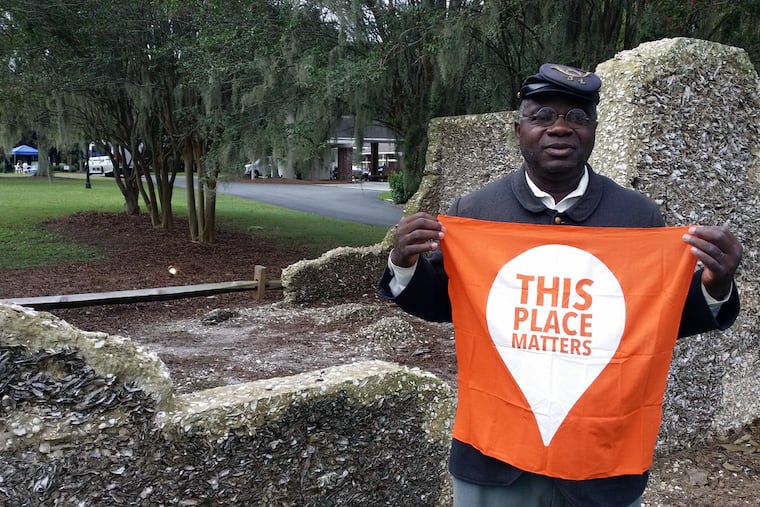
JOSEPH McGILL will spend tonight sleeping where slaves once slept in the Germantown kitchen of 18th-century Cliveden mansion.
Tomorrow at 7 p.m., McGill will do what he has done after spending more than 100 nights in former slave quarters in 15 states.
He'll talk with the public about "The Slave Dwelling Project," his one-man effort to preserve the scarce, forgotten remains of America's slavery history.
"We tend to want to preserve the nice, beautiful homes and tell the nice, beautiful stories of, usually, white men," McGill said.
"We leave those buildings out that tell the stories of African-Americans, especially enslaved African-Americans."
McGill, 54, who has been sleeping in former slave dwellings since 2010, said that narrating their history afterward "lets the public know that these places are important, too."
McGill, a history consultant for the 17th-century Magnolia Plantation & Gardens in his native Charleston, S.C., praised Cliveden, on Germantown Avenue near Cliveden Street, for its new Kitchen Conversations about race and history.
The first talk is McGill's "They Lived Where They Worked."
"At Cliveden, when they came across the evidence of the slaves who serviced that place, they didn't hide it," McGill said. "They didn't sweep it under the rug. They made it public."
McGill said his spending so many nights in slave dwellings that are often as physically uncomfortable as they are psychologically disturbing is worth it because "it makes the public aware that besides the sugarcoated version of history we've been getting for far too long, there's more to the story."
"Yes, the slaves lived like nobody should have lived, but you've still got to tell their stories," he said. "We're still living with the residual of slavery today."
McGill said most people, including owners of former slave dwellings who give him permission to sleep there, support his quest.
"But there are some who would rather this project and Joe McGill go away and disappear, never to be heard from again," he said. "I get that from both blacks and whites. This makes a lot of people uncomfortable.
"I didn't get into this thing to be comfortable," McGill said. "I got into it to experience the hardships that my ancestors were dealing with. This brings forth anger in some people. Folks are going to say some ugly things."
McGill said he can't allow his personal feelings about slavery to interfere with his work.
"There are enough angry black males out there," he said. "I can't be one of those. I can't ask permission from the stewards of these former slave dwellings to do what I do, and be angry about it.
"The stewards allow these spaces to be interpreted," he said. "That's a major step in the right direction from where I sit."
Where McGill often sits at night is on the bare bones that remain from a horrific era in American history.
He said his physical discomfort is a small price to pay for helping preserve the remnants of slavery from disappearing forever.
"As long as my body will allow me to lay my head in these places, I'm going to continue," McGill said. "I don't see an end in sight."
On Twitter: @DanGeringer