Geraldine Ferraro, 1st female VP hopeful, dies
BOSTON - Geraldine Ferraro's selection as Walter Mondale's Democratic running mate in the 1984 presidential election made her a winner as far as history was concerned, despite an unsuccessful campaign that proved to be a tough political slog against a popular incumbent.
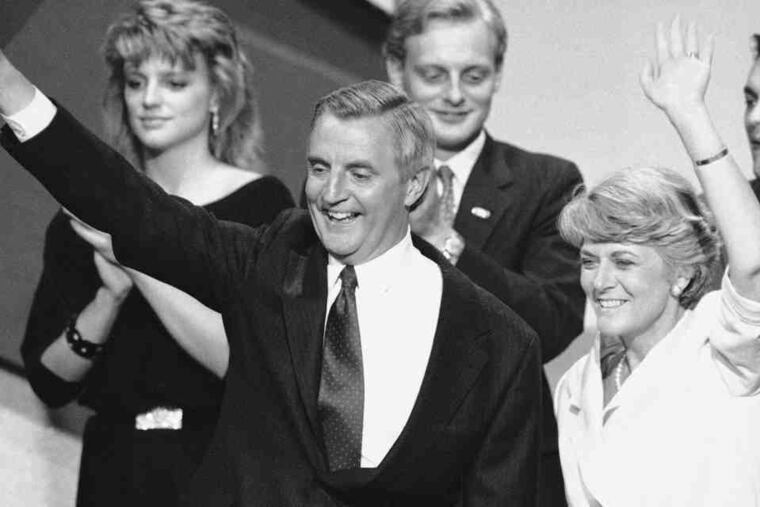
BOSTON - Geraldine Ferraro's selection as Walter Mondale's Democratic running mate in the 1984 presidential election made her a winner as far as history was concerned, despite an unsuccessful campaign that proved to be a tough political slog against a popular incumbent.
Her vice-presidential bid, the first for a woman on a major-party ticket, emboldened women across the country to seek public office and helped lay the groundwork for Hillary Rodham Clinton's presidential candidacy in 2008 and John McCain's choice of his running mate, Sarah Palin, that year.
"By choosing a woman to run you send a powerful signal to all Americans: There are no doors we cannot unlock," Ferraro said in her acceptance speech at the 1984 Democratic convention. "We will place no limits on achievement. If we can do this, we can do anything."
Ferraro died Saturday at age 75 in Boston, where she was being treated for complications of blood cancer.
She died just before 10 a.m., said Amanda Fuchs Miller, a family friend who worked for Ferraro in her 1998 Senate bid and was acting as a spokeswoman for the family.
Mondale's campaign had struggled to gain traction, and his selection of Ferraro, at least momentarily, revived his momentum and energized millions of women who were thrilled to see one of their own on a national ticket. She was a relatively obscure congresswoman from Queens, N.Y., at the time.
The blunt, feisty Ferraro charmed audiences initially, and for a time polls showed the Democratic ticket gaining ground on President Ronald Reagan and Vice President George H.W. Bush. But her candidacy ultimately proved rocky as she fought ethics charges and traded barbs with Bush over accusations of sexism and class warfare.
Ferraro later told an interviewer, "I don't think I'd run again for vice president," then added, "Next time I'd run for president."
Reagan won 49 of 50 states in 1984, the largest landslide since Franklin D. Roosevelt's first re-election over Alf Landon in 1936. Ferraro had forever sealed her place as trailblazer for women in politics.
But controversy accompanied her acclaim.
A Roman Catholic, she encountered frequent, vociferous protests of her favorable view of abortion rights.
Ferraro's run also was beset by ethical questions, first about her campaign finances and tax returns, then about the business dealings of her husband, real-estate developer John Zaccaro. Ferraro attributed much of the controversy to bias against Italian-Americans.
Zaccaro pleaded guilty in 1985 to a misdemeanor charge of scheming to defraud in connection with obtaining financing for the purchase of five apartment buildings. Two years later, he was acquitted of trying to extort a bribe from a cable-television company.