Israel's right bloc gains in final tally
JERUSALEM - A final tally released Thursday of votes from Israel's parliamentary election broke the tie between rival ideological factions, giving the right-wing bloc 61 seats in the Knesset compared with 59 seats for center-left parties.
JERUSALEM - A final tally released Thursday of votes from Israel's parliamentary election broke the tie between rival ideological factions, giving the right-wing bloc 61 seats in the Knesset compared with 59 seats for center-left parties.
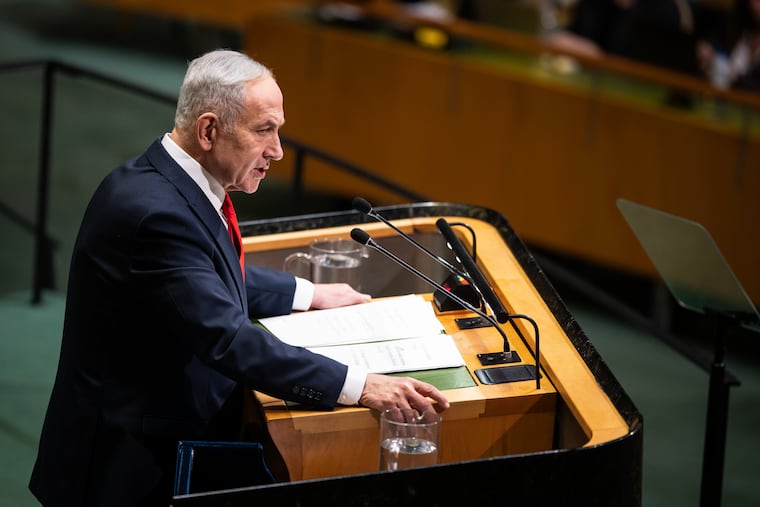
But the final figures - a slight change from the preliminary 60-60 dead heat that was reported after Tuesday's vote - are not expected to alter the course of coalition talks. Prime Minister Benjamin Netanyahu's ruling Likud Party is seeking to form a broad-based government with the centrist Yesh Atid Party, which surprised everyone by coming in second.
The new government, likely to be formed in the next month, is expected to adopt more moderate policies than did Netanyahu's previous right-wing coalition, which focused on confronting Iran's nuclear program and expanding West Bank settlements.
The final election count reflected about 220,000 ballots from soldiers, diplomats, prisoners, and others who could not go to the polls Tuesday. After tallying the additional votes, one seat was lost by the United Arab List Party and one was gained by the religious nationalist Jewish Home.
According to the Central Election Committee, conservative parties in the next Knesset will include Netanyahu's Likud (20 seats), Jewish Home (12 seats), nationalist Yisrael Beiteinu (11 seats) and ultra-Orthodox parties Shas (11 seats) and United Torah Judiasm (7 seats). The center-left was led by Yesh Atid (19 seats) and Labor Party (15 seats), with the other 25 seats divided among smaller parties. The centrist Kadima won only 2 seats, dropping from the largest party in the last Knesset to the smallest in the next one.
Netanyahu and former TV journalist Yair Lapid, head of Yesh Atid, are expected to create the core of the next coalition, combining their seats with former Foreign Minister Avigdor Lieberman's Yisrael Beiteinu, which ran on a joint slate with Likud. That would give them 50 seats, still short of the 61-seat minimum majority needed to control the 120-member parliament.