University of Delaware mulls mandatory safety classes for students caught jaywalking
n Facebook and Twitter announcements posted this week — and then abruptly removed — the university's police force warned that students caught jaywalking this fall would be cited and ordered to attend pedestrian safety classes.
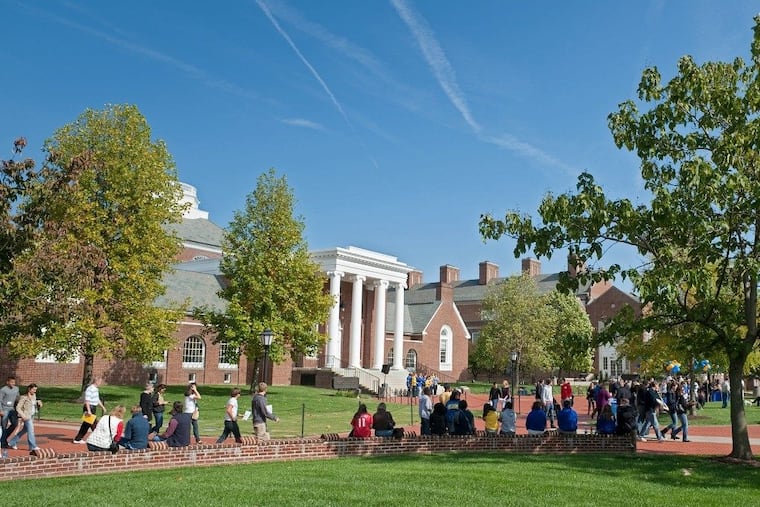
In many ways, Newark, Del. is the typical college town.
It's home to the University of Delaware, with 23,000 students and nearly 4,500 employees and a campus that sprawls over more than 2,000 acres connected and divided by major thoroughfares and small side streets.
And now it's determined to beat back a familiar problem in many a college town: jaywalking.
In Facebook and Twitter announcements posted this week — and then abruptly removed — the university's police force warned that students caught jaywalking this fall would be cited and ordered to attend pedestrian safety classes.
Besides requiring a referral to the Office of Student Conduct, when and how the citations and classes would take place are unclear. Peter Bothum, the university's media relations manager, told the Inquirer and Daily News in an email that university officials are not in a position to discuss the program, as "it is too early in the process to discuss specifics of the new policy."
But there's no doubt it's been an ongoing source of concern at the school — and others, including Princeton University and Yale.
In 2011, police in Newark issued more than 80 citations to drivers and pedestrians in the first week of a pedestrian safety initiative with the Newark Police Traffic Division. In March 2015, a university graduate was fatally hit on Delaware Avenue, which slices through the heart of campus.
Around that time, the Newark Police Department also increased its presence around campus to stop jaywalking, and handed out $80 fines to people who were caught doing it, the student newspaper The Review reported.
Sgt. Gerald Bryda of the city's police department said Wednesday the department's aware of the university's new policy, but there has been no official request from the university to partner on the new program.
Bryda said the city's police department focuses its pedestrian safety efforts downtown and will station officers there to hand out educational pamphlets to walkers about pedestrian safety. Newark's downtown streets have gone through several infrastructure changes to improve safety for walkers, including adding more traffic lights that signal when to cross the busy downtown streets, he said.
If a citation is issued, Bryda said fines for jaywalking can range from $25 to $75 including court costs. "If it's something that we can prevent through education and enforcement, then that's what we're here to do," he added.
Of course, jaywalking is one of those violations that seem to draw an uneven response depending on where you are. Data from a few years back showed that Philadelphia only issued about nine tickets a year; by contrast, Los Angeles issued 31,000 citations in a single year.
Whether the new policy in Newark will make a difference on campus was unclear, students said.
"No one is going to take it seriously," said Daniel Worthington, a senior finance major.
Andrew Casamento, a senior accounting major, said he thought the university did a good job of maintaining safety but "I think they're overdoing it" with the new initiative. Still, he did say the $85 fine he paid as a sophomore for jaywalking on campus made an impression. "I haven't jaywalked since," he said.
Madeline Stabler-Buiano, who graduated from Delaware in May, agreed mandatory classes may be "a little extreme," but said the policy could increase safety on campus.
"It's good to have [a policy] in place to protect students," she said, "especially on the weekends when their judgments are inhibited."