Irvin Kershner; directed 2d 'Star Wars' movie
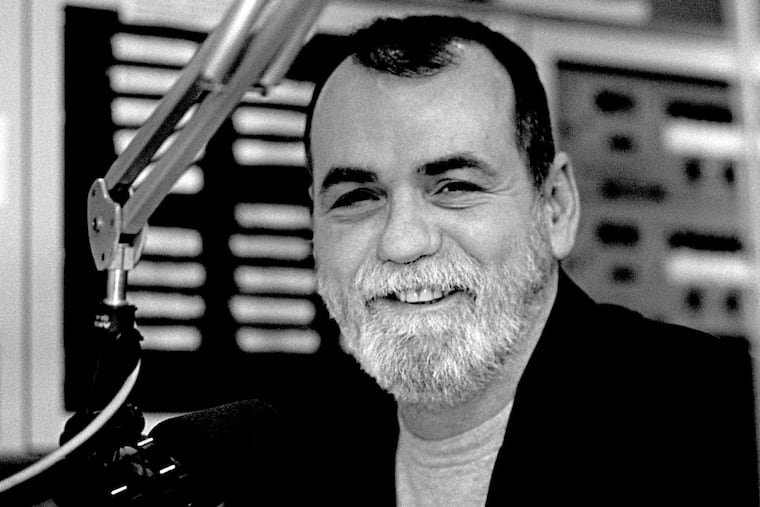
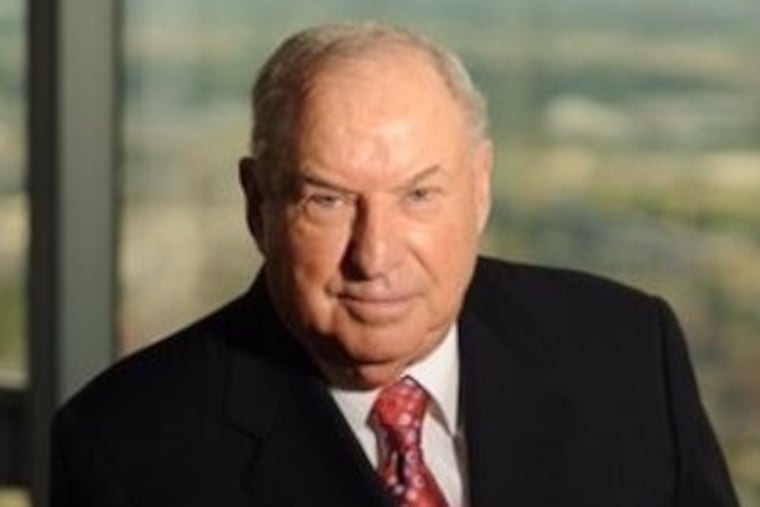
Irvin Kershner, 87, the Yoda-like director who mentored George Lucas and directed The Empire Strikes Back (1980), died Saturday in Los Angeles of lung cancer. He was the only man to have directed both a Star Wars movie and a James Bond movie.
Irvin Kershner, 87, the Yoda-like director who mentored George Lucas and directed
The Empire Strikes Back
(1980), died Saturday in Los Angeles of lung cancer. He was the only man to have directed both a
Star Wars
movie and a James Bond movie.
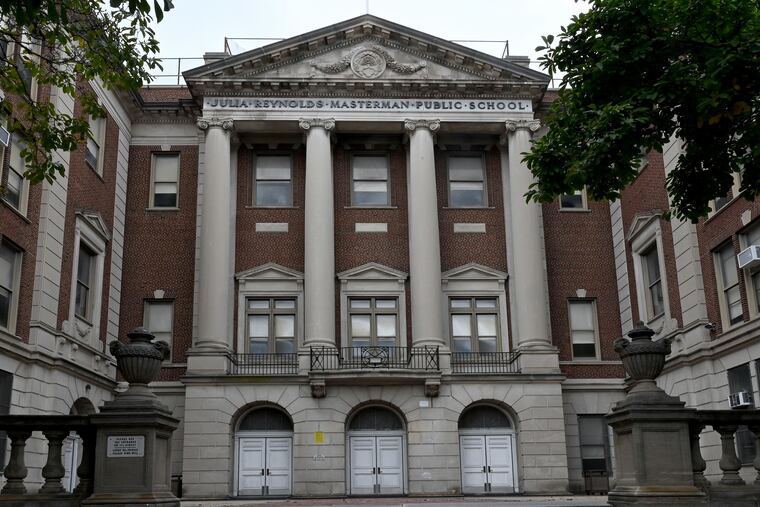
Born and raised in South Philadelphia in the working-class neighborhood near Fourth and Lawrence, he was encouraged in the arts by his parents. He was an avant-gardist who made his mark in the mainstream.
Mr. Kershner studied violin and viola at Settlement Music School, where at the age of 10 he performed a recital before Albert Einstein, then a board member. "I was sweating, shaking," Mr. Kershner recalled in 2006. "Afterward, he told me how good I was - which wasn't true."
Einstein was one in a long line of Mr. Kershner's distinguished fans.
Mr. Kershner attended South Philadelphia High and planned to become a composer, but World War II intervened. He joined the Army Air Corps and for the duration worked as a flight engineer on B-24 bombers.
He jettisoned musical plans for the study of painting at Temple University's Tyler School of Art. In 1947, he went to New York to study with painter Hans Hoffmann.
In 1948, Mr. Kershner moved to Los Angeles to study art and design at UCLA. He taught photography at the University of Southern California. He also studied film with editor Slavko Vorkapich.
By 1950, Mr. Kershner was employed by the State Department to make documentaries in Turkey, Greece, and Iran.
Back in the States, he developed the documentary TV show Confidential File, and brought his documentary eye to episodic television, directing episodes of The Rebel with Nick Adams.
While continuing to teach at USC, he mentored students and got his first directorial shot, Stakeout on Dope Street (1958), from B-movie impresario Roger Corman.
Mr. Kershner directed unconventional character studies such as A Fine Madness (1966), with Sean Connery as a struggling poet; Loving (1970), with George Segal as a husband juggling wife and mistress; and Up the Sandbox (1972), with Barbra Streisand as an unfulfilled young mother. The Eyes of Laura Mars, his 1978 thriller starring Faye Dunaway as a fashion photographer who sees murders before they occur, was his first mainstream hit. Mr. Kershner was nominated for an Emmy for directing the 1976 TV movie Raid on Entebbe.
A student of Mr. Kershner's and also an admirer of Laura Mars, Lucas begged the professor to direct the sequel to his blockbuster Star Wars. Mr. Kershner initially declined, thinking that his aesthetic - close-ups on faces - was ill-suited to the atmospherics of Lucas' space Western.
When Lucas persisted, Mr. Kershner asked, "Why?" Lucas answered, "Because you know everything a Hollywood director is supposed to know, but you're not Hollywood."
With its emphasis on character development, the resulting 1980 movie, the second filmed and the fifth in the chronology, is considered one of the best in the Star Wars series. The script called for Princess Leia to tell space cowboy Han Solo, "I love you" and for Harrison Ford's Han to reply, "I love you, too."
Mr. Kershner shot the line but didn't like it. He encouraged Ford to improvise. Ford's response, "I know," is one of the series' most-beloved lines.
Never Say Never Again (1983), Kershner's last major film, reunited him with Connery, reprising his role of 007.
Mr. Kershner is survived by two sons. Funeral arrangements were not announced.