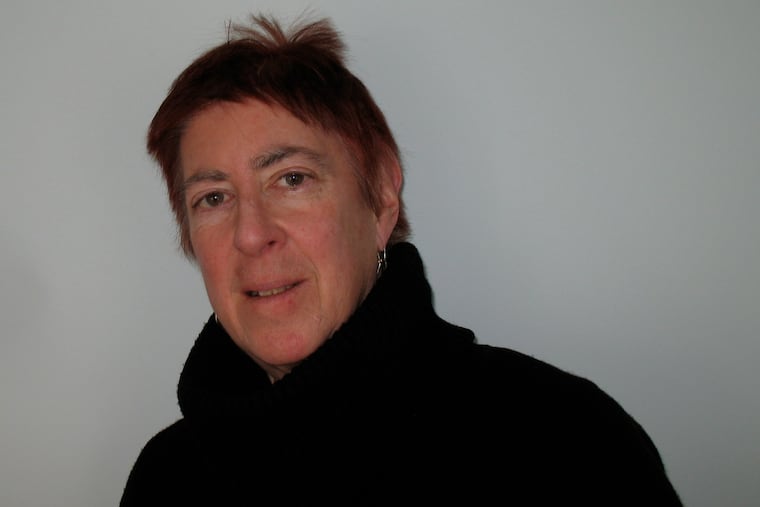
Francis G. Vitetta, 83, founded architectural firm
He was involved in designing and renovating many iconic structures
ARCHITECTS FROM Frank Lloyd Wright to Frank Gehry have always been a rare breed, as aloof and self-centered as Ayn Rand's Howard Roark.
Frank Vitetta understood this very well. He realized that to many architects, marketing their services is beneath them.
"Architects often put the aesthetics of their profession ahead of marketing," he told a class of architectural students at Temple University in 1994. "For many, marketing has always been a no-no, and some may still feel it is inappropriate."
But Frank told the students that without clients "architecture is useless, makes no sense, and is not fulfilling."
As reported by Peter Binzen for an article in the Inquirer, Frank warned the students, "You can be the best architect in the world, but not build anything."
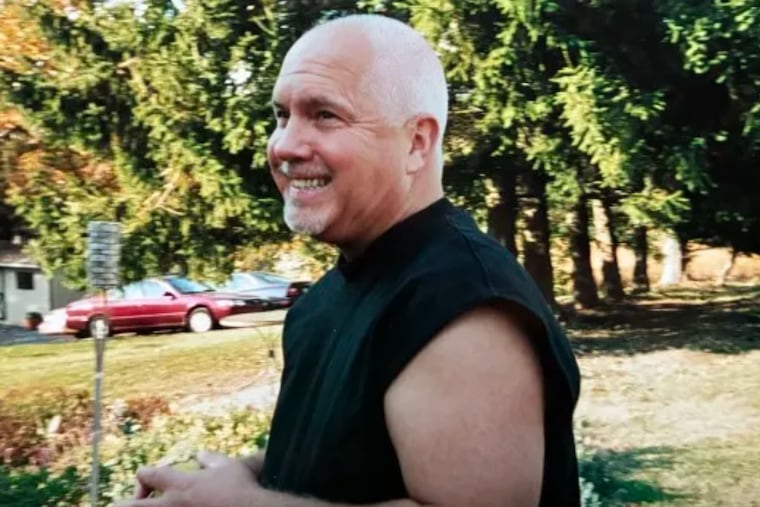
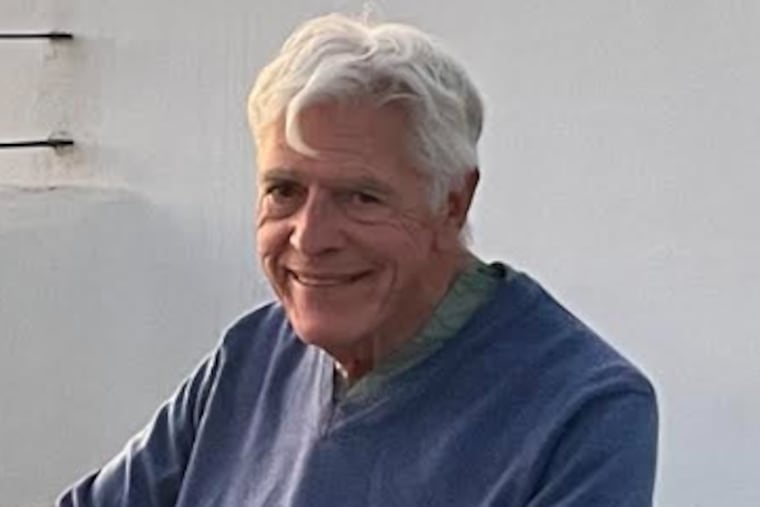
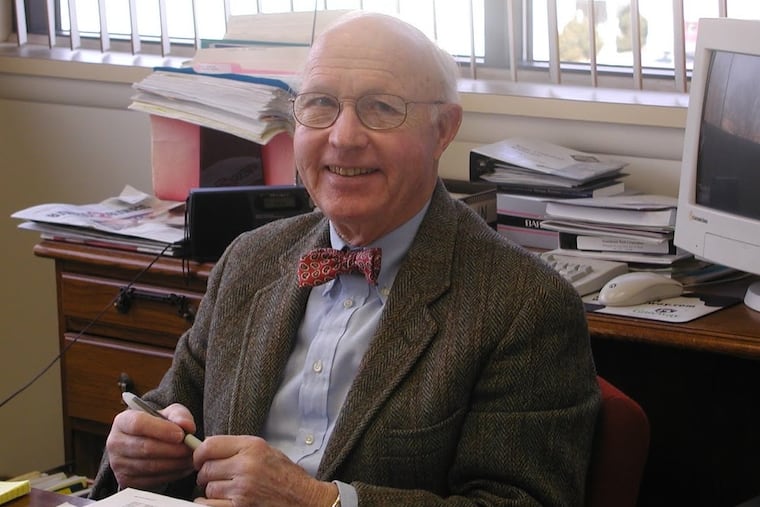
Francis G. "Frank" Vitetta's company, Vitetta Group, designed, built and renovated numerous important city structures and landmarks. Vitetta, a civic and political leader, Air Force veteran and devoted family man, died Oct. 15 of a heart attack. He was 83 and lived in Spring House, Montgomery County.
Although a trained architect himself, Frank gave up the drawing board years ago and concentrated on management and spreading the word of Vitetta's expertise nationwide. The firm has offices and ongoing projects throughout the country.
"Frank created public structures of efficiency and functionality, which added beauty to the Philadelphia landscape, and often served the city goal of historic preservation," his family said.
Among Vitetta's local projects were the Pennsylvania Convention Center, Criminal Justice Center, restoration of City Hall, Independence Hall, Pennsylvania Academy of the Fine Arts, Academy of Music and the old Bellevue-Stratford Hotel.
"Whether at golf outings, trade shows or political fundraising events, he's always pushing his firm's expertise in planning and designing facilities in the areas of health care, education, criminal justice and historic preservation," Binzen wrote.
Frank once described to the Inquirer's Joseph A. Slobodzian the unique challenges of renovating a cherished historical site, like Independence Hall.
The Vitetta Group won the contract in 1993 to design and manage the replacing of the ancient building's aging electrical, heating, air-conditioning, fire and security systems.
"We pay a lot of attention to hiding things and making things disappear," he told the reporter. "Air-conditioning, lighting, heating, electrical work that has to be installed all has to be hidden somehow."
"It's a challenge akin to asking a surgeon to do a heart bypass without breaking the skin," Slobodzian wrote. "And all the work must be done while keeping the national shrine open for the 3 million U.S. and international tourists who annually walk through its halls."
Of course, the Vitetta Group was up to the challenge.
Frank Vitetta was born in Mamaroneck, N.Y., to Guy Vitetta of Cosenza, Italy, and Theresa Rapoli, of Naples.
He got his early education in Mamaroneck and came to Philadelphia to study architecture and engineering at the University of Pennsylvania, graduating in 1955.
He joined the ROTC at Penn and served in the Air Force in Korea. He remained in the Air Force Reserves until 1960.
Frank became associated with the architectural and engineering firm of Day & Zimmerman in the 1960s. He started as a project architect and moved up to chief architect. Day & Zimmerman eventually changed its name to Vitetta Group.
In 1988, Frank, joined by some partners, borrowed enough money to buy Vitetta Group, and the rest is architectural history.
Frank was an active civic leader in Lower Gwynedd Township, where he served as chairman of the zoning board. He also was active with the Old York Road Country Club and Gwynedd Mercy Academy.
He served as an arbitrator and consultant with the American Arbitration Association, and was a member of the board of Drexel University.
One of his proudest moments came in April when he was awarded an honorary degree by Arcadia University for his service as a trustee and benefactor.
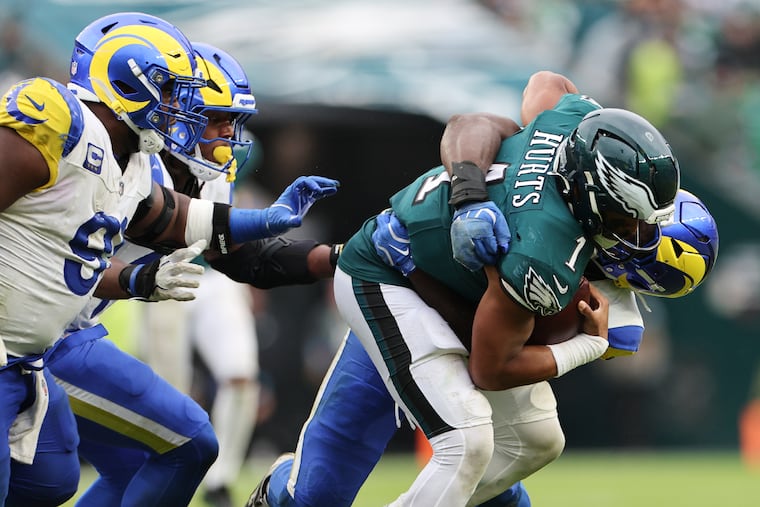
Frank enjoyed golfing, and was a devoted Eagles fan.
He and his wife, Dollie, were married in 1958. Besides his wife, he is survived by a son, Guy; daughter, Robin; a sister, Maria, and four grandchildren.
Services: Will be arranged at a later date.