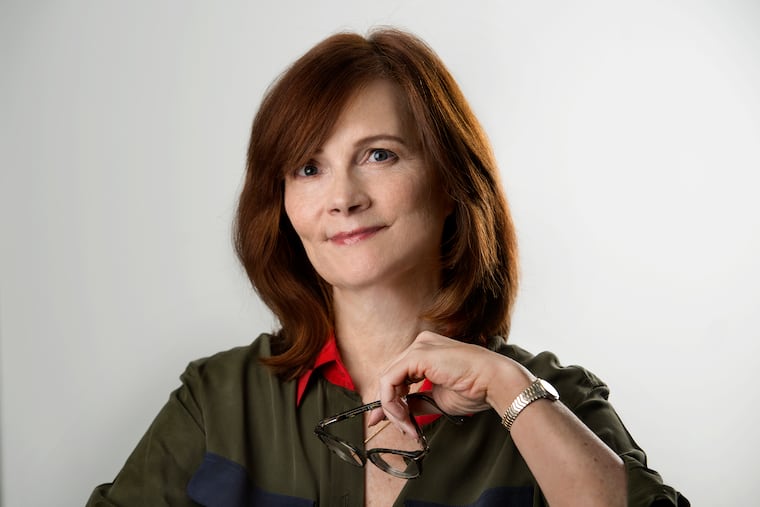
Barbara Goldsmith | Best-selling writer, 85
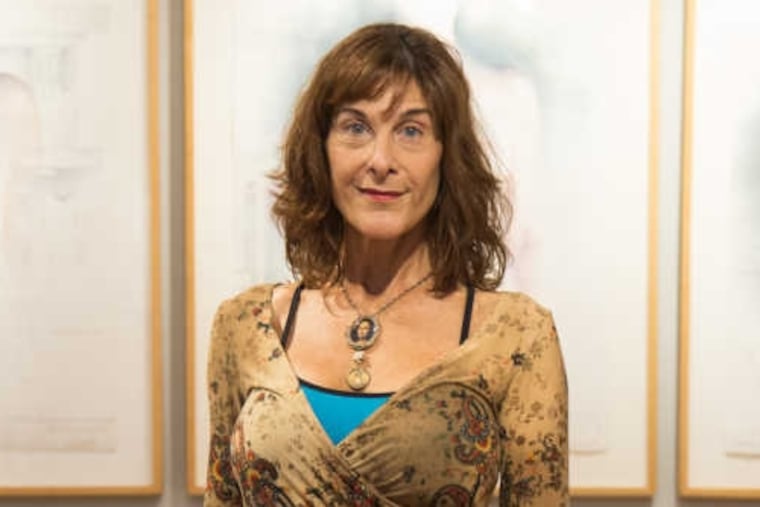
Barbara Goldsmith, 85, a best-selling writer who chronicled high-society contretemps including the custody dispute over "poor little rich" Gloria Vanderbilt in the 1930s, unveiling the wealthy and famous as often empty and unhappy, died June 26 at her home in New York City.
Barbara Goldsmith, 85, a best-selling writer who chronicled high-society contretemps including the custody dispute over "poor little rich" Gloria Vanderbilt in the 1930s, unveiling the wealthy and famous as often empty and unhappy, died June 26 at her home in New York City.
The cause was congestive heart failure, said her assistant Jeremy Steinke.
Ms. Goldsmith was a founding editor of New York magazine, a contributor to publications including Vanity Fair and the New Yorker, and the author of four nonfiction books. Her work combined historical sleuthing and social commentary, and it reflected both her experience with - and wariness of - wealth.
A daughter of a moneyed real estate investor, Ms. Goldsmith said she recognized early on the drawbacks, even dangers, of fame. She said that like Vanderbilt - the railroad and shipping heiress who became a maven of designer jeans - she was scarred by the kidnapping and murder in 1932 of aviator Charles Lindbergh's young son.
"I used to go to bed at night and wait for the sound of the ladder plopping against my bedroom window," she once told the New York Times. "I've since found that a lot of people who grew up during the Depression had these same fears, because of the Lindbergh baby's kidnapping."
Ms. Goldsmith became fascinated by the Vanderbilt case four decades after the fact, while researching her first book, The Straw Man (1975), a novel that turns on the contested estate of a New York art collector. Working in a library, she stumbled upon 8,000 pages of court transcripts from the 1934 custody challenge that made 10-year-old Vanderbilt one of the most famous children in the United States.
Barbara Joan Lubin was born in New York City on May 18, 1931. She graduated in 1953 from Wellesley College in Massachusetts and began her career profiling celebrities for Women's Home Companion and the New York Herald Tribune. When the latter was shuttered in the 1960s, she provided seed money to spin off the newspaper's Sunday supplement and establish New York magazine.
In 1968, the magazine's inaugural year, Ms. Goldsmith penned a profile of the Andy Warhol model Viva. In the article, titled "La Dolce Viva," the woman was shown in haunting nude images by photographer Diane Arbus and revealed by Ms. Goldsmith as penniless and addled by drugs.
Before running the article, which was guaranteed to roil advertisers with its explicit nature, the editor, Clay Felker, showed it to Tom Wolfe, another of the magazine's writers. Wolfe was enthralled and declared to Felker, "I don't see how you can not run it."
As predicted, advertisers rebelled, but the episode became famous in the magazine's history.
Ms.. Goldsmith's most recent book was Obsessive Genius: The Inner World of Marie Curie (2005), a biography of the Polish-born physicist who became the first woman to receive a Nobel Prize. Ms. Goldsmith's experience in historical archives, where she handled old papers that crumbled at the touch, inspired her to lead a campaign to persuade private and government publishers to print books and documents on acid-free paper.
Her marriages to C. Gerald Goldsmith and Frank Perry ended in divorce. Survivors include three children and six grandchildren. - Washington Post