No: Why reward cheaters?
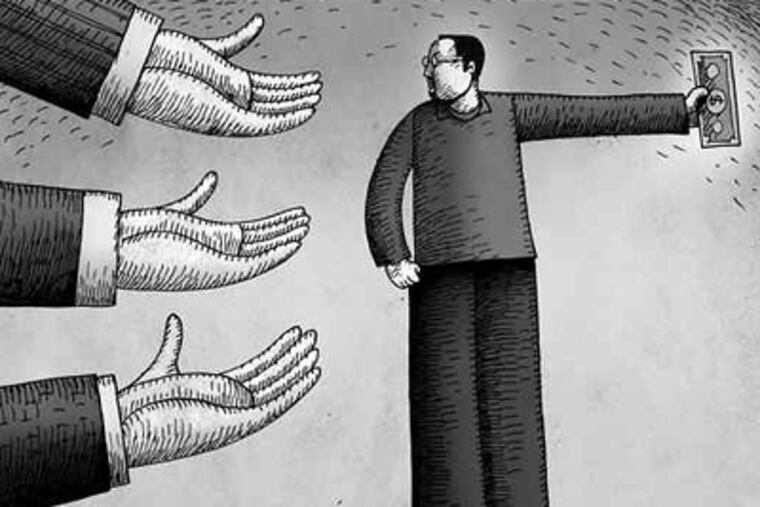
By Stephen H. Stetler Supporters of tax-amnesty programs fail to recognize an inherent flaw: They reward scofflaws and hinder future tax-collection efforts. Moreover, they cannot be counted on to produce the promised revenue.
By Stephen H. Stetler
Supporters of tax-amnesty programs fail to recognize an inherent flaw: They reward scofflaws and hinder future tax-collection efforts. Moreover, they cannot be counted on to produce the promised revenue.
Pennsylvania's Republican legislators recently unveiled two fiscally irresponsible budget proposals that do not take the difficult but necessary steps needed to bring the budget into balance for the long term. One relies on a tax-amnesty gimmick that is unlikely to work and would send the wrong message to hard-working taxpayers.
Rather than offering a one-time forgiveness to tax cheats, the legislature should give the state Revenue Department the tools and legal authority it needs to further improve delinquent tax collections. The legislature should invest in improvements to the department's aging information system and give it the enforcement powers it needs to collect delinquent taxes year after year. The Revenue Department's sole purpose is to fairly and efficiently collect the tax revenues due to Pennsylvania to fund necessary government services.
But instead of helping the department do that job, the Republicans have proposed cutting its general operating budget by 9 percent, which would force it to cut revenue-generating positions. The Republicans also have proposed reducing Revenue's enforcement budget by 13 percent and eliminating its modernization and technology budget. At a time when state government needs every penny it is owed, it makes no sense to weaken revenue-collection efforts.
A 1995-96 tax amnesty offered under then-Gov. Tom Ridge generated $93 million - but only on paper. It cost the department $10 million to administer the program. And in the two years following the amnesty, delinquent-tax collections dropped by an astounding $62 million. Finally, the amnesty forgave taxpayer penalties of $10 million.
That means the net benefit of that tax amnesty was only $11 million, or about 0.04 percent of the general-fund budget. In fact, the Revenue Department concluded in a 1996 report that further amnesties "would be harmful to the progress being made by the department" in getting taxpayers to pay their taxes.
A tax-amnesty program today is even less likely to generate significant revenue, because the Rendell administration has dramatically improved delinquent-tax collections over the last six years. In 2007-08, the department collected a record $900 million in delinquent taxes - 60 percent more than it did the year before Gov. Rendell took office.
In Pennsylvania, 97 percent of taxes are paid voluntarily and on time. The vast majority of residents meet their responsibility to contribute to roads, schools, economic growth, and vital services. A tax amnesty rewarding the few who break the law would be an insult to Pennsylvanians who pay their taxes.