Memory Stream
One of the most famous catastrophes in maritime history is the sinking of the RMS Titanic during its initial voyage. The ship sank into the frigid waters of the North Atlantic on this day in 1912, taking the lives of 1,517 passengers. A number of Philadelphians were on the ill-fated ship. Nine passengers from Philadelphia lost their lives, including capitalist and sportsman George Dunton Widener and his son Harry Elkins Widener. Widener’s wife, Eleanor Elkins, was among the 26 Philadelphia passengers who were rescued. Because women and children were allowed to board lifeboats first, a disproportionately high number of men died in the wreck. The local press remarked: “Generosity, unselfishness, chivalry, and a high sense of duty and honor were the main characteristics that distinguished George D. Widener. … He died — bravely, conscientiously, unselfishly and nobly.”
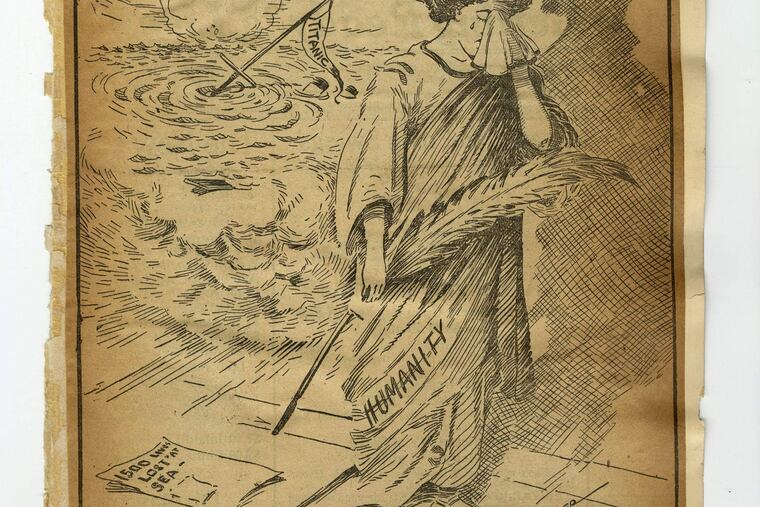
One of the most famous catastrophes in maritime history is the sinking of the RMS Titanic during its initial voyage. The ship sank into the frigid waters of the North Atlantic on this day in 1912, taking the lives of 1,517 passengers.
A number of Philadelphians were on the ill-fated ship. Nine passengers from Philadelphia lost their lives, including capitalist and sportsman George Dunton Widener and his son Harry Elkins Widener. Widener's wife, Eleanor Elkins, was among the 26 Philadelphia passengers who were rescued. Because women and children were allowed to board lifeboats first, a disproportionately high number of men died in the wreck. The local press remarked: "Generosity, unselfishness, chivalry, and a high sense of duty and honor were the main characteristics that distinguished George D. Widener. … He died — bravely, conscientiously, unselfishly and nobly."
Another passenger on board the Titanic was Richard Norris Williams II. As the water was rising, Williams climbed over the ship's railing and jumped into the sea. His father was killed by one of the collapsing smokestacks of the ship, while a brother, C. Duane Williams, perished in the icy waters.
Richard Williams and other victims were later saved by the RMS Carpathia. Doctors initially believed that it would be necessary to amputate Williams' legs because he spent so much time in the water. But the young man recovered and became an accomplished tennis champion. He would later serve as president of the Historical Society of Pennsylvania.
The Rosenbach Museum and Library will hold an event in honor of local Titanic passengers at 2 p.m. Sunday. Visit www.hsp.org for more information.
Content and images provided by the Historical Society of Pennsylvania.