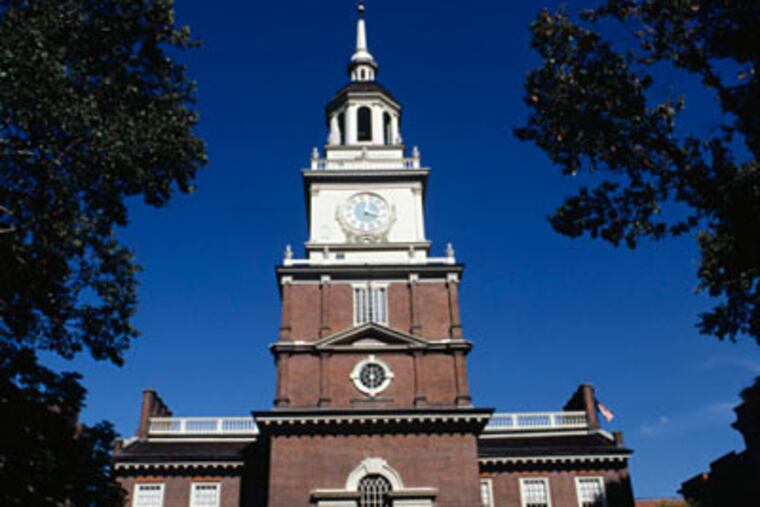
Congress should look to Philadelphia as lawmakers wrestle with a bill to help homeowners stave off foreclosure.
A housing bill awaiting action in the Senate would create a multibillion-dollar fund to help 400,000 homeowners refinance costly mortgages into more affordable loans backed by the government. The House has already approved a similar bill.
No single piece of legislation will help all of the estimated five million homeowners who will be facing a mortgage crisis in the coming year. But a program in Philadelphia is working to keep families in their homes, and it could be copied in other cities at minimal government expense.
The Residential Mortgage Foreclosure Diversion Pilot Program kicked into action this spring after Philadelphia Sheriff John D. Green halted foreclosure sales. A committee of housing advocates and mortgage lawyers got to work, under the guidance of President Judge Darnell Jones II and Judge Annette M. Rizzo.
Foreclosures are soaring in Philadelphia, as in the rest of the nation. The city's number of foreclosures is expected to jump to 8,500 this year, up from 6,200 in 2007. In South Jersey, foreclosure filings were up 33 percent through March, compared with the same three-month period last year. The problem is likely to get worse as housing prices continue to fall and unemployment rises.
Philadelphia's program prevents an owner-occupied home from being sold at a sheriff's sale without the owner first getting an opportunity to take part in a "conciliation session." Prior to that meeting, the homeowner must participate in a free counseling session to come up with a proposed payment schedule to present to the mortgage company.
Not all homeowners get in over their heads through carelessness or stupidity. Some lose their jobs; others suffer a catastrophic illness. Some are embarrassed to admit they've fallen behind in their payments, which only leads to deeper debt.
Counselors and lawyers volunteer to help the homeowners at no cost. If the homeowner and lender can't agree on a deal, they go before a temporary judge - another lawyer who is volunteering his or her service. So far this year, about 200 lawyers from the Philadelphia bar are donating their time in the program.
Jones said lenders were participating, in part, because it's in their interest not to be stuck with a foreclosed property. And he said the program recognized homeowners' contractual obligation by not allowing a blanket moratorium on mortgage foreclosures.
Along with the court-sponsored program, Mayor Nutter authorized $2 million for a public education program that includes a hotline for free advice and door-to-door visits to homeowners in danger of foreclosure.
These efforts can't keep everyone in his or her home, but the program is achieving impressive results. Out of 600 homeowners who were in danger of foreclosure, about 325 were spared that fate. Jones and Rizzo plan to continue the program through 2009.
There's no reason other cities and counties couldn't replicate what Philadelphia is doing. Already, New York, Houston, Chicago and other cities are expressing interest in Philadelphia's model.
"We're not the be-all and end-all," Jones said. "But it's a real, viable solution. It's working because they sit down voluntarily."
The Senate bill would provide $150 million for housing counseling for families facing foreclosure. It's a small fraction of the bill's overall cost, but it could be the most effective money spent because it targets workable solutions for individual families and their lenders. It's not a bailout.
As House and Senate lawmakers try to craft compromise legislation over the summer, they should put an emphasis on funding this type of program. Philadelphia is already proving it works.