Memory stream Dipping into Philadelphia's illustrated past
Founded in New York City in 1892, the Workmen's Circle is a Jewish fraternal organization dedicated to preserving Yiddish language and culture in the United States. Its early members were Yiddish-speaking working-class immigrants with strong Socialist, trade-union, and secular Jewish identification. Its Philadelphia branch was opened about 1904.
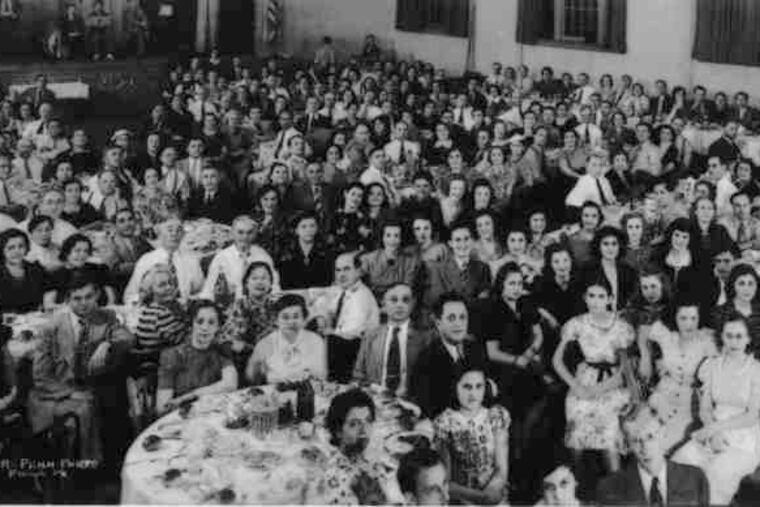
Founded in New York City in 1892, the Workmen's Circle is a Jewish fraternal organization dedicated to preserving Yiddish language and culture in the United States. Its early members were Yiddish-speaking working-class immigrants with strong Socialist, trade-union, and secular Jewish identification. Its Philadelphia branch was opened about 1904.
Organized in local branches, which often followed hometown or workplace affiliations, the Workmen's Circle provided insurance benefits and a variety of cultural activities. Over the years, the organization offered life insurance, sick benefits, funeral and burial benefits, local medical services, homes for the aged, and sanitarium facilities for tubercular members. It also organized adult lecture programs, secular Jewish children's schools and camp programs, and dramatic and choral organizations.
The Philadelphia District, originally located at 505 Reed St. in South Philadelphia, became one of the larger chapters of the Workmen's Circle. After World War I, the Philadelphia District opened schools with a curriculum that included classes in Yiddish language and literature and Jewish history. By the 1920s, there were 17 branches in the city; and by the 1930s, membership had expanded into North and West Philadelphia.
Since the 1940s, the organization has been best known for its humanitarian interests, its political liberalism, and its commitment to Yiddish culture.