Memory stream Dipping into Philadelphia's illustrated past
Organized in 1894, the Civic Club of Philadelphia joined together prominent Philadelphia women like Cornelia Frothingham, Mary Channing Wister, Alice Potter Lippincott, Caroline Brown Lea, and Sara Yorke Stevenson, who served as the first president. The group sought to promote "by education and active cooperation a higher public spirit and better public order."
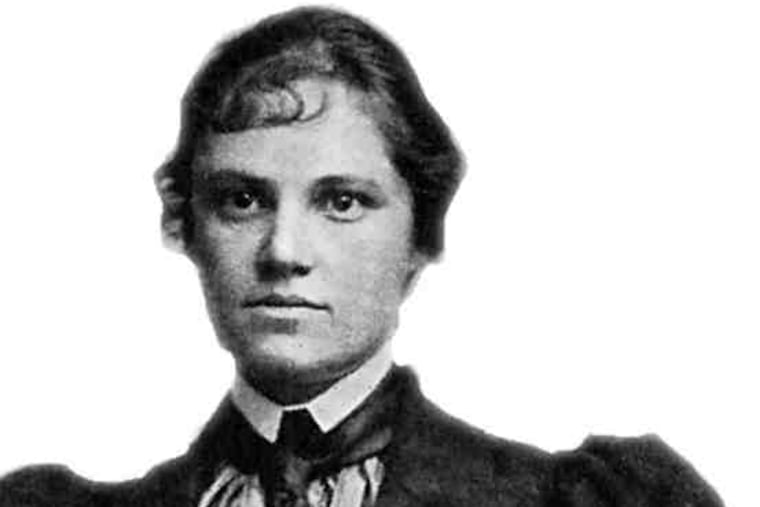
Organized in 1894, the Civic Club of Philadelphia joined together prominent Philadelphia women like Cornelia Frothingham, Mary Channing Wister, Alice Potter Lippincott, Caroline Brown Lea, and Sara Yorke Stevenson, who served as the first president. The group sought to promote "by education and active cooperation a higher public spirit and better public order."
Initially, the club was organized into four departments: municipal government, education, social service, and art. Each department operated somewhat autonomously and created its own committees. For example, the education department managed committees on public schools, free libraries, and free kindergarten classes, while the municipal government department included committees on sanitation, civil service reform, and police patrons.
Despite its interest in social and political reform, the Civic Club refused on several occasions to participate as "disfranchised citizens" in meetings of the Anti-Spoils League and the National Civil Service Reform Convention. By the 1920s, after the passage of the 19th Amendment granting suffrage to women, the club structure changed. Departments were abandoned and the committees were reduced in number and given new, more limited, charges.
In 1959, the membership voted the Civic Club of Philadelphia out of existence and transferred its assets to other civic organizations.