Memory Stream Dipping into Philadelphia's illustrated past
Founded by Conrad Beissel in 1732, the Ephrata Cloister was a religious community on the banks of the Cocalico Creek in Lancaster County.
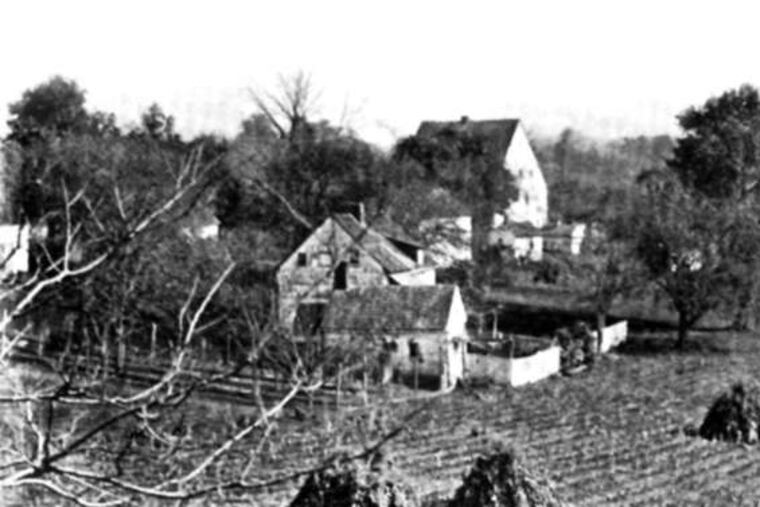
Founded by Conrad Beissel in 1732, the Ephrata Cloister was a religious community on the banks of the Cocalico Creek in Lancaster County.
Beissel was a German Pietist who lived a vigorous Christian life and studied devout application of the Bible. After being exiled from Germany for religious and political reasons, Beissel was inspired by William Penn's ideas of religious tolerance and traveled to Pennsylvania in 1720. He briefly lived in the Germantown settlement before moving to the Conestoga area, where he was appointed as the leader of the Conestoga Brethren Congregation.
In 1728, Beissel withdrew from the church when his ideas about celibacy and the Sabbath caused disagreements with the congregation. He moved to a more secluded location in Lancaster County along the Cocalico Creek, seeking a hermit's life, and soon attracted a group of like-minded men and women who wished to follow his theology and teachings. With this new community, Beissel founded the Ephrata Cloister.
The Ephrata Cloister was home to those who led devoutly religious lives and depended on the labor of the group to survive. Upon joining the community, members changed their names; Beissel became known as Father Friedsam. The community became well-known for its self-composed a cappella music, German calligraphy called Frakturschriften, printing press, and the decorated hymnals it produced.
Today, the Cloister's nine surviving original buildings are a national historical landmark and are open to the public.