NFL showboating and gloating is revolting
Robert Benne is director of Roanoke College's Center for Religion and Society I find myself spewing epithets at the television screen more frequently these days to protest the outrageous showboating of NFL players. Indeed, I often shift my allegiance to the team that has fewer displays of self-centered exhibitionism.
Robert Benne
is director of Roanoke College's Center for Religion and Society
I find myself spewing epithets at the television screen more frequently these days to protest the outrageous showboating of NFL players. Indeed, I often shift my allegiance to the team that has fewer displays of self-centered exhibitionism.
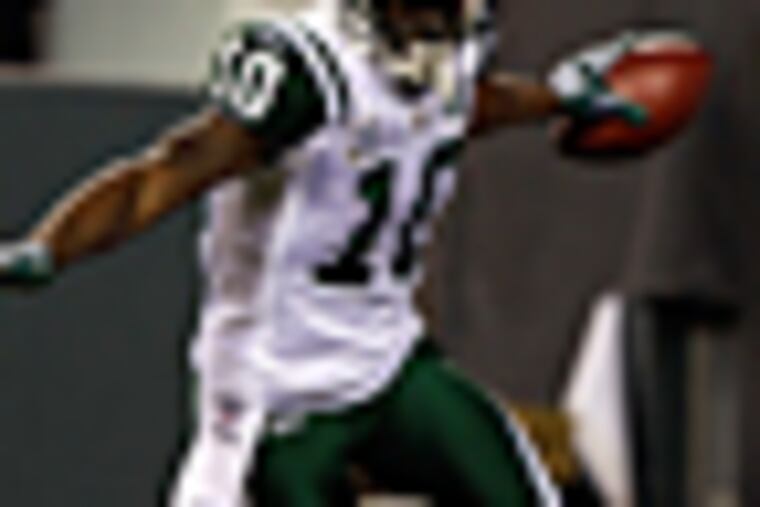
Let me count the ways in which they celebrate themselves: spiking the ball; jumping into the stands; dunking the ball over the goalpost; dancing little jigs; sprinting out of the area of the play to display themselves as the sole hero; showing off their biceps; skipping away from the scene of triumph; thumping their chests; signaling a first down; kicking drum-major-like into the end zone; taking the pose of a soldier at alert; pointing to and saluting their supporters; standing and glowering over the fallen opponent; calling for cheers from the crowd; praying ostentatiously; and other gestures too numerous to recount.
My puzzlement about all this contributes to my anger. Here is a sport played by grown men who have worked their way through many levels of intense competition to the top. Yet they act like first-level juveniles.
They play a quintessentially team sport in which every fine play is dependent on teammates doing their job. Yet they tout their own deeds at the expense of their teammates.
They play against equally gifted competitors, yet they insult them by "showing them up" with ridiculous celebrations.
These worthies should be models for younger players, yet college and high school officials have to keep constructing rules so the true adolescents won't copy the adolescent antics of the pros.
It used to be that only wide receivers and running backs put on such displays, but the virus has spread to all defensive players. The only two positions that seem somewhat immune are quarterbacks and offensive linemen. Perhaps quarterbacks think they already get enough attention, and maybe it is simply too difficult to perceive excellent blocking. (We certainly notice when it fails.) Or perhaps those players are more imbued with a sense of teamwork. But don't sell the ingenuity of the players short. Even quarterbacks are starting to play the "self-celebration" game.
Professional athletes should let their performance speak for itself. Instead, they tack on additional displays to magnify it. Instead of letting the crowd recognize the excellence of a deed, they call attention to it. Instead of letting the referee mark the first down, they mark it. Instead of letting the cheerleaders lead the cheer, they do. Instead of letting teammates congratulate them, they congratulate themselves.
Of course, this showboating is not simply a problem of professional football. Football's follies are but a symptom of a trend that sociologist Robert Bellah has called "expressive individualism." The point of such a lifestyle, of making your life a unique artistic statement, is to express inner emotional states no matter what the consequences.
The extreme forms of this lifestyle lead to self-destruction, as in the case of rock stars flaming out at a young age. Football knows such extreme cases - former Eagle Terrell Owens comes to mind. These types of players can wreck themselves and whole teams. In less extreme forms, this obsessive self-expression involves tattoos, the cult of celebrities, the need to be "hot," and the general obligation to be "emotional." Hence the first question asked of any performer: "How do you feel about that?" So football merely has been engulfed by a larger social impulse.
Is there any hope for a return to the ethic of performance rather than self-display? Yes. Many NFL players do not partake in these actions and are to be admired for their restraint. Their reticence could spread. Most coaches are not expressive types and perhaps they will start calling their players to account. Maybe the self-expressionists themselves will find the behavior so pervasive and extreme that they'll desist. Or the media will quit showing it. Politically correct game announcers could even start criticizing it.
Unfortunately, this trend will probably have to get worse before it gets better. Tennis had to have its bratty John McEnroe and surly Jimmy Connors before it righted itself. T.O., where are you when we need you?