Preserving tradition and facing change
Preserving tradition and facing change
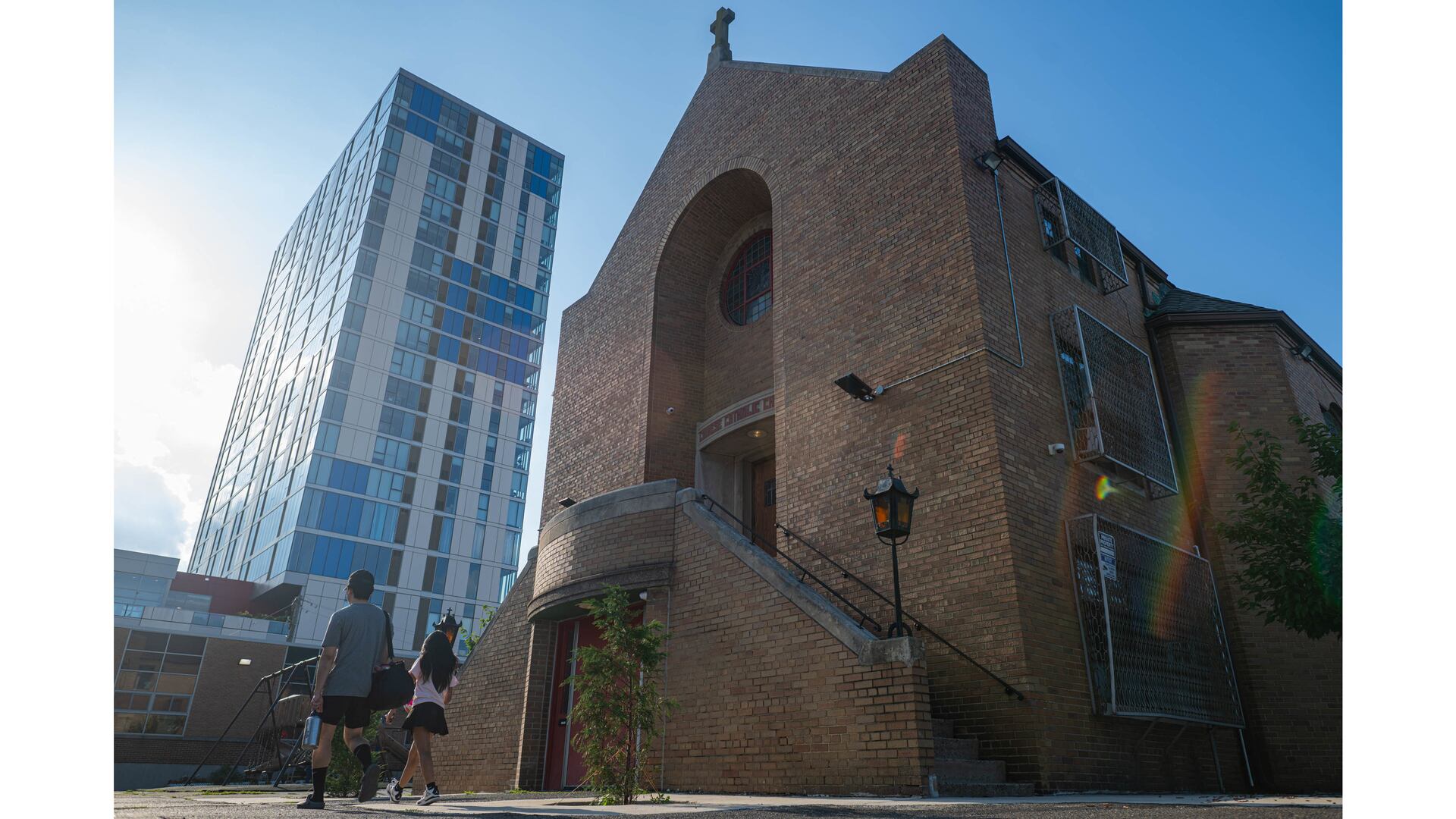
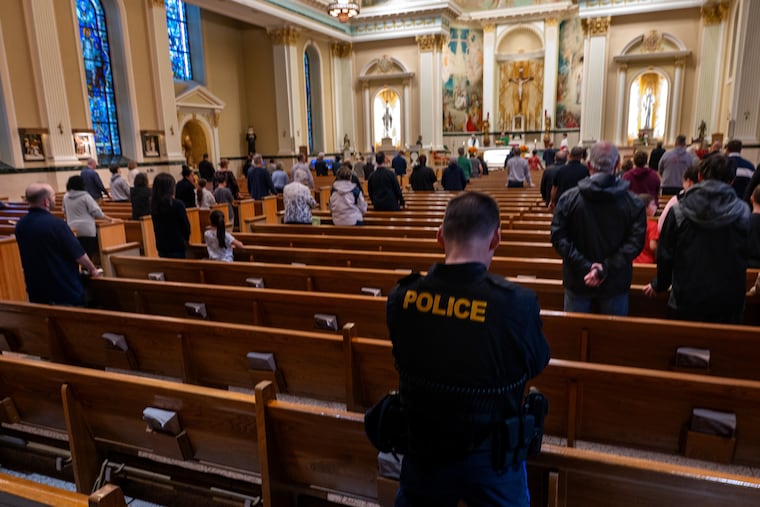
Just outside the borders of Chinatown lies a quiet, unassuming Catholic church that has been a linchpin of Philadelphia’s Chinese community for almost nine decades.
Dedicated in October of 1941, Holy Redeemer Chinese Catholic Church and School is notable for being the first Catholic church built specifically for Chinese Americans in the Western Hemisphere. The church, located in the Callowhill section of the city, became a beloved and integral institution of Chinatown in subsequent decades, providing educational opportunities for new immigrants and their families, and fostering a tight-knit community through its spiritual services.
“We have parishioners who are 100 years old, born in the United States and don’t speak Chinese, and we have people here who came last week. … We keep all those people in the same church community, and I think that’s pretty extraordinary,” said the Rev. Tom Betz, pastor at Holy Redeemer church since 1991.
“Today, just like before, we still serve first-generation immigrant families,” said Angela Vales, advancement director at the Holy Redeemer school: “They rely on us to make sure that their kids have a good foundation so that they can move on and move forward in life.”
Chinatown has a long history of community activism, much of which started at Holy Redeemer during the ’60s, when a proposal to expand Vine Street into an interstate expressway threatened to demolish large sections of the neighborhood, including Holy Redeemer.
Protests organized in and around the church “got bigger and bigger as other organizations joined, even people from other cities came down and helped us organize,” said 74-year-old Martin Louie, an alumnus and longtime parishioner and volunteer at Holy Redeemer.
That action led to the founding of the Philadelphia Chinatown Development Corporation (PCDC), which continues to be a powerful voice advocating for Philadelphia’s Chinatown community.
Today, the Holy Redeemer community faces an existential struggle of declining student enrollment amid a changing cultural landscape.
“We’re sitting here on 10th and Vine, very hidden, so a lot of the Chinese community don’t go past Spring Street. … Nobody really has any reason to see that we’re this thriving school that provides great education,” said Susan Chan, the incoming school principal.
Holy Redeemer alumnus Nathan Ung says the issue of school enrollment has become increasingly pronounced in recent years: “Our class [in 2013] had 30 students. The most recent class had 14.”
As the only parish in the greater Philadelphia metropolitan area that conducts services in Mandarin Chinese, Betz believes an influx of new parishioners would secure the lifeblood of Holy Redeemer. “More and more Mandarin-speaking people are coming to church here, whereas the older, local Cantonese-speaking or English-speaking parishioners are dwindling,” Betz said. “I think the future of this church is going to depend on immigration patterns, but for now we’re doing well.”
Longtime community members like Louie volunteer at the Holy Redeemer school, ensuring that the church’s history is passed down to younger faces within the congregation like Kevin Wong. “People from the ‘70s fought the Vine Street Expressway, and today the new generation is fighting the basketball stadium,” Wong says. "[Holy Redeemer has] saved the community so many times.”