The deadline to stop a government shutdown is looming (again). Here’s what to know.
The existing spending plans expire on Sept. 30.
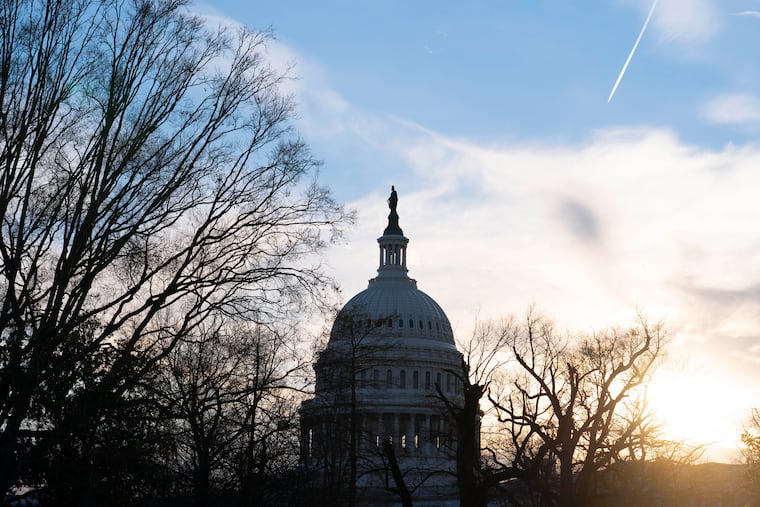
Another potential government shutdown approaches with sharp disagreements between top Republicans and Democrats. And the clock is ticking.
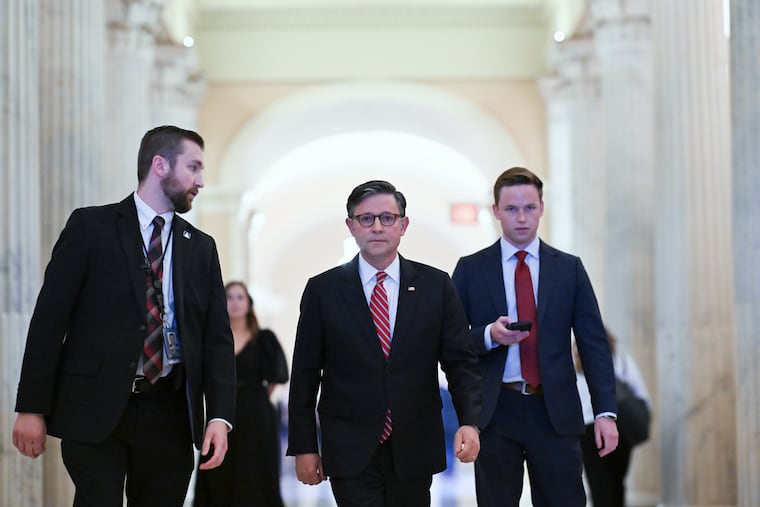
Democratic leaders have rejected a stopgap funding proposal pitched by Speaker Mike Johnson (R., La.) and other House Republicans, citing a lack of Democratic involvement or priorities, like changes to the Affordable Care Act.
Under former President Joe Biden, Democrats repeatedly voted to extend federal funding with temporary continuing resolutions. Now, Republicans control the Senate and — amid a particularly polarized time politically — Democrats are digging their heels in against their proposals.
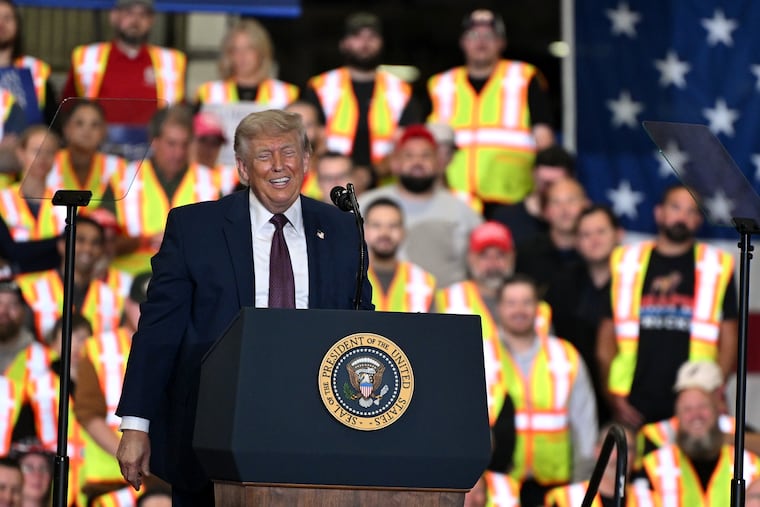
“The vibes are bad,” Sen. Brian Schatz (D., Hawaii) told CNN. Schatz, who is poised to become the new top deputy to Senate Minority Leader Chuck Schumer (D., N.Y.), voted with Republicans in March to keep the government open. But that mindset appears to have shifted. “Donald Trump made it explicit that he doesn’t want to work with Democrats, and so I wish him the best.”
Republicans will need at least seven Democrats to vote with them to pass a continuing resolution.
As the deadline to avoid a shutdown looms, here’s what you need to know.
What is a government shutdown?
Traditionally, a government shutdown occurs if Congress cannot reach some type of agreement on 12 individual appropriation measures that represent all federal operations.
When a shutdown happens, the government is unable to spend money — with some exceptions — meaning that federal employees across the country are expected to work without pay. In turn, essential services would continue to operate, but resources would be significantly strained.
When does government funding expire?
As the deadline nears, parties are negotiating. Republican leaders proposed a stopgap continuing resolution that would extend funding at current levels through Nov. 21. But Democrats are pushing for certain provisions surrounding the Affordable Care Act to be adopted into the stopgap measure. That’s where the stalemate lies.
The existing spending plans expire Sept. 30, marking the end of the continuing resolution passed in March to avoid a shutdown.
Who is affected by a government shutdown?
Hundreds of thousands of federal employees are affected since they are expected to work, but would not receive pay until after the shutdown is lifted. Employees are typically guaranteed back pay.
Many employees are also at risk of being furloughed and would not be allowed to work (but would also receive back pay thanks to legislation passed in 2019).
Some of the main groups of employees that a shutdown could impact include (but are not limited to) active members of the military, federal law enforcement, federal transportation workers (like air traffic controllers and Transportation Security Administration agents, but not SEPTA), national park employees, scientific researchers, and some healthcare providers.
When would the government shut down?
Congress and President Donald Trump’s administration need to reach an agreement by Sept. 30 at midnight. If they don’t, a shutdown would go into effect at 12:01 a.m. Oct. 1.
What was the longest government shutdown?
The 2018-19 shutdown — which lasted 35 days, making it the longest in history — was also the second to occur during Trump’s first presidency. That shutdown ended after East Coast airports faced major delays when unpaid air traffic controllers stopped coming to work.
What could a government shutdown mean for Philly?
In Philadelphia, the most recent government shutdown led to the closing of Independence Hall and the Liberty Bell Center.
Last year, the U.S. Department of Interior said that all National Park Service locations would close if a government shutdown went into effect, affecting Independence Hall, the Liberty Bell, and Valley Forge. The agency so far has not released guidance for this year.
The city’s immigration court was closed during the 2018-19 shutdown, accepting only emergency filings for people already in detention.
Most federal law enforcement officers in eastern Pennsylvania continued to work without pay, but some employees deemed nonessential were temporarily furloughed. Essential Philadelphia International Airport employees continued to work without pay, but resources were strained, with some air traffic controllers furloughed.
Workers at shelters that serve vulnerable populations and rely on federal funding worried about when payments would come.