How Philly Planned Parenthood is responding to the Trump administration’s attempts to restrict Medicaid payments
A federal judge ruled that the policy violated the organization's First Amendment rights. But the Trump administration is likely to appeal the ruling, leaving affiliates unsure of their next move.
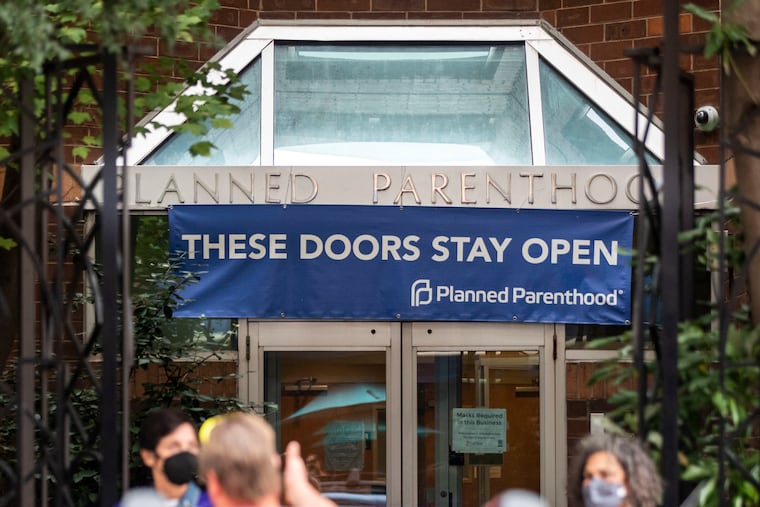
A federal judge ruled Monday that Planned Parenthood can continue to bill Medicaid for services other than abortion, after a provision in President Donald Trump’s “One Big Beautiful Bill Act,” blocked clinics and health centers from accessing that funding.
The ruling is likely to be appealed by the Trump administration, leaving local Planned Parenthood affiliates unsure of their next move.
Here is what to know about how the conflict is affecting the reproductive healthcare provider, which operates 10 health centers in the Philadelphia region.
What is the status in the courts?
Monday’s order extended a temporary block issued earlier this month in response to a lawsuit filed by Planned Parenthood. It initially covered only 10 of the organization’s 49 local affiliates.
In their lawsuit, filed July 7, Planned Parenthood argued that the so-called “Defund Provision” in the Republicans’ policy act “specifically targets” the organization and its members to “punish them for lawful activity, namely advocating for and providing legal abortion access wholly outside the Medicaid program and without using any federal funds.”
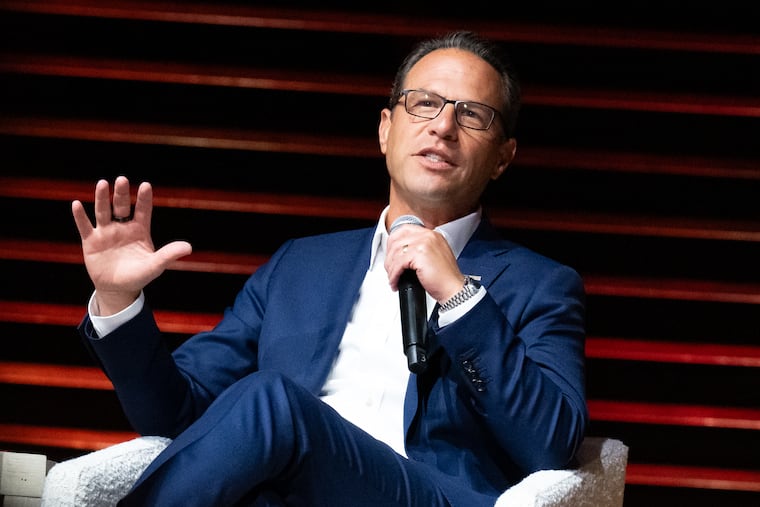
Gov. Josh Shapiro also challenged the withholding of funds by suing the Trump administration, alongside 22 other states, over the policy. The lawsuit argues that provision in the “One Big Beautiful Bill Act” excluded Planned Parenthood health centers from federal funding “in retribution” for the organization’s abortion advocacy.
Along with abortion services, Planned Parenthood provides contraception, cancer screenings, testing for sexually transmitted diseases, wellness visits, and other kinds of sexual and reproductive healthcare.
Planned Parenthood Southeastern Pennsylvania (PPSP), which is one of three Pennsylvania affiliates, operates 10 health centers throughout Philadelphia, Montgomery, Chester, and Delaware counties. The majority of the locations do not offer abortion services.
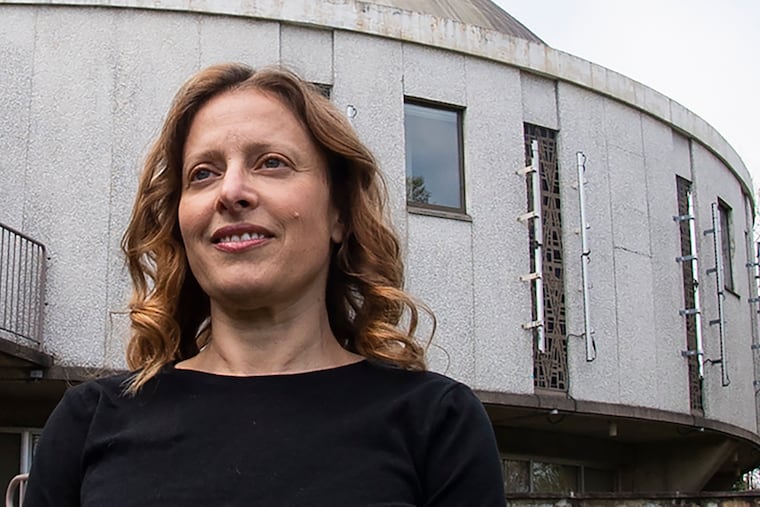
Alhambra Frarey, PPSP’s chief medical officer, called the withholding of Medicaid funds a “politically motivated attack.”
“This is not about being fiscally conservative, it’s certainly not about improving healthcare for Americans or Pennsylvanians,” Frarey said. “This is a way to force Planned Parenthood [affiliates] to stop providing abortion care or shut down entirely.”
PPSP, like other local affiliates, is preparing for an appeals process.
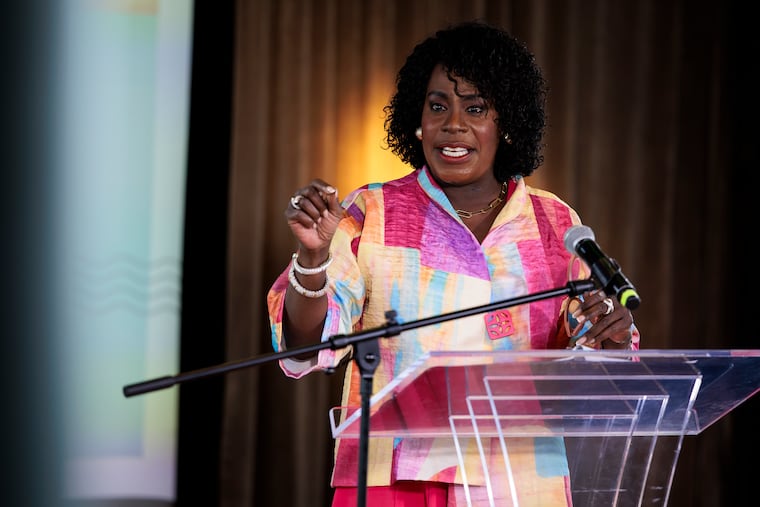
“We know the fight’s going to continue,” PPSP president and CEO Dayle Steinberg said. “It could be a matter of days or weeks.”
Did Planned Parenthood lose any other funding?
Planned Parenthood was already riding out a Trump administration funding freeze. In April, the organization lost access to Title X grants, which cover family planning and other sexual health services for low-income and uninsured individuals at clinics across the country.
The freeze cost Philadelphia’s two busiest Planned Parenthood centers a total of around $332,000, Steinberg told the Inquirer in June.
What is at stake for Planned Parenthood?
Federal funding accounts for roughly a third of Planned Parenthood’s annual revenue. The loss of Medicaid reimbursements would put nearly 200 health centers at risk of closure, the organization said in a news release earlier this month.
Many Planned Parenthood locations across the country have already closed their doors in recent months. For instance, Planned Parenthood of Michigan shuttered 4 clinics this April, citing ongoing financial challenges and lost Title X funding. Planned Parenthood Association of Utah also closed two health centers in May, amid “attacks on healthcare funding by the Trump administration.”
PPSP sees around 33,245 patients a year, a third of which are on Medicaid. Without Medicaid reimbursements, it would lose an estimated $3.1 million annually, according to a fact sheet provided by the organization.
Steinberg says that PPSP, like other affiliates, is worried about the possibility of service cuts.
“We know that other providers aren’t going to be able to fill the gap,” she said. “The tragedy is that, in many communities, Planned Parenthood health centers are patients’ sole source of sexual and reproductive care.”
How have patients been impacted?
Until Monday’s ruling, some affiliates had been forced to turn away patients who rely on Medicaid. But PPSP’s health centers and clinics continued to provide services free of charge.
“We were seeing patients without being able to submit their claims,” Steinberg said. “We didn’t really change our messaging.”
The back-and-forth over Medicaid has left some patients confused about their coverage, Frarey says.
“It’s really worrisome because sexual and reproductive healthcare is something that is difficult to access, that is challenging for folks to access, especially those who we care for at Planned Parenthood,” she said. “This chaos and confusion only creates additional barriers for them to be able to access the vital care we need.”