Bucks County Commissioners approve first paid parental leave policy for county employees
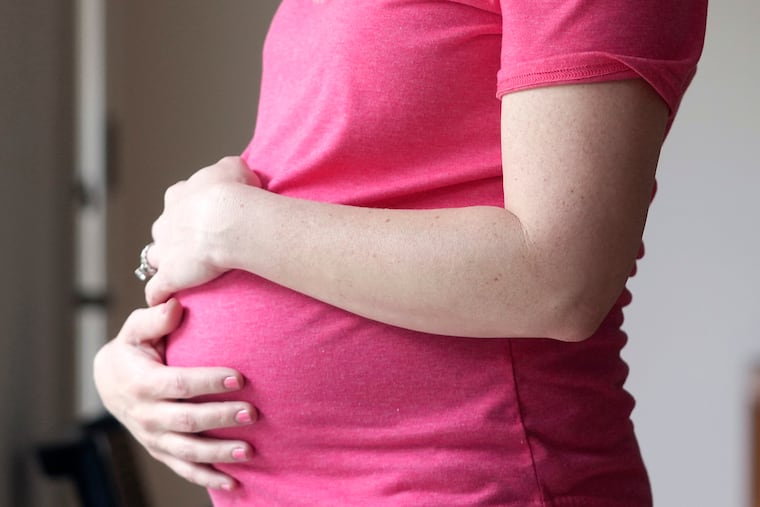
County employees in Bucks will now be able to take up to eight weeks of parental leave.
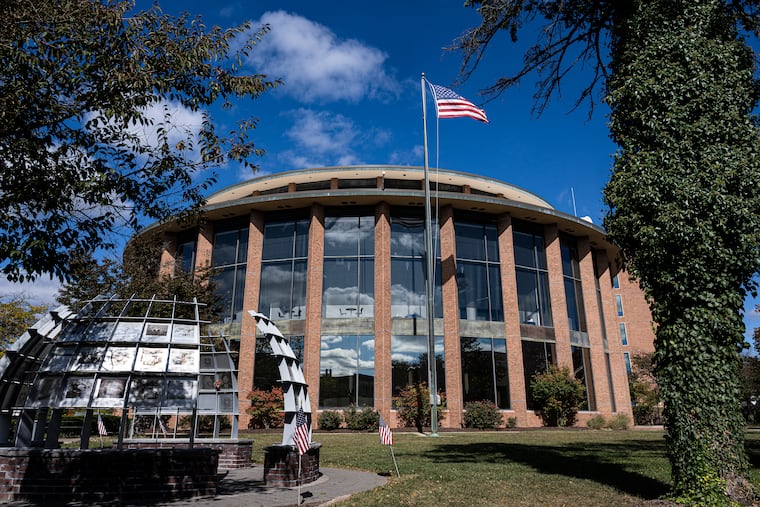
Bucks County government’s first-ever paid parental leave policy is now on the books.
The county commissioners unanimously approved a human resources policy during their public meeting Wednesday that allows full-time county employees with at least one year of service to take up to eight weeks of parental leave.
The eight weeks must be taken consecutively within 12 months of the birth of a child, the adoption of a child, or a child’s foster care placement with the employee, according to a policy document.
The new guidelines signify a win for county employees and the local unions that represent them after they’ve spent years vying for a policy shift on parental leave in local government. The change could also aid in attracting more people to work for the county, which is Bucks’ third largest employer.
“Eight weeks is better than zero,” said Steve Catanese, president of SEIU Local 668, which represents about 500 county government employees in Bucks.
“We’re glad for whatever reason that the county is ready to move for it,” Catanese added. “We would hope our advocacy was part of it, but we’re glad that they’ve actually made movement on this ground.”
Parents who work for local governments have had to navigate inconsistencies on paid leave throughout the Philadelphia suburbs. For instance, Montgomery County expanded from six to 12 weeks of paid parental leave in 2024. Delaware County has six weeks of parental leave.
Chester County didn’t immediately comment on its parental leave policy.
In Pennsylvania, state employees are offered eight weeks of parental leave, which Bucks modeled its policy on.
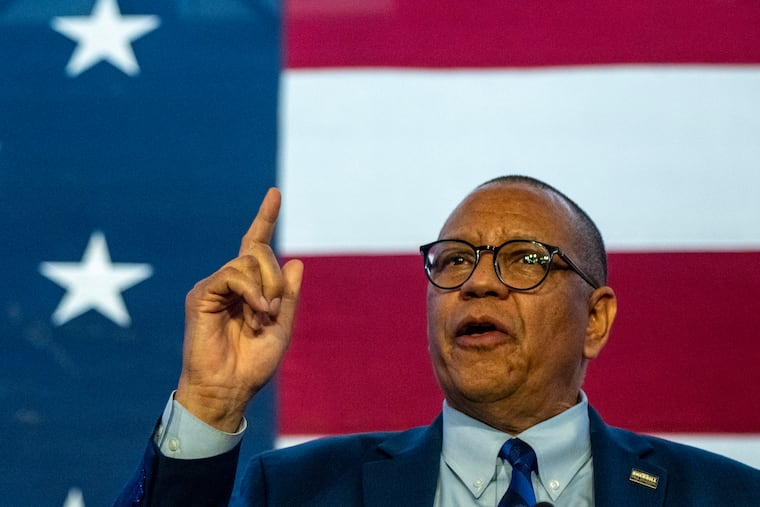
County Commissioner Bob Harvie said during the meeting Wednesday that the policy was “certainly overdue.”
“When you’re an employer, anything you can do to benefit your employees, especially at a time like now, when things are so expensive, and the cost of living is where it is, and things are difficult enough, this is something I’m proud that we’ve done,” said Harvie, a Democrat who is running for Congress, in an interview.
Harvie said Bucks’ delay in implementing the policy came down to taking the time to develop provisions that did not interfere with any laws or collective bargaining agreements.
Harvie said he’s hopeful that, at some point, Bucks could also increase its policy to 12 weeks.
“Bucks has never done anything like this before, and so it’s something we don’t know the impact,” Harvie said. “We think we know how it’s going to work in terms of staffing and how our offices are going to work with this, but we have to make sure first. We still have to deliver services to the people of the county.”
Parental leave has become a key issue across the state, with lawmakers in Harrisburg recently mulling paid leave legislation for anyone employed in the state of Pennsylvania.
Fourteen states and Washington D.C. have implemented mandatory systems for paid family leave, according to the Bipartisan Policy Center.
On the federal level, government employees are eligible for paid parental leave, but a bill — reintroduced last month by U.S. Reps. Don Breyer (D., Va.), Chrissy Houlahan (D., Chester), and Brian Fitzpatrick (R., Bucks) — would expand that leave to 12 weeks for family and medical reasons.
Harvie and Fitzpatrick will face off in the November election to represent the 1st Congressional District, which covers all of Bucks County and a sliver of Montgomery County.
Other provisions in Bucks County’s policy include providing 30-days notice (or as soon as possible due to unforeseen circumstances) to the employer and employees being compensated at their base pay rate. And if both parents are employed by Bucks County, they are each entitled to their own eight weeks of leave.
Harvie said the impact of paid parental leave in Bucks became apparent to him as soon as the new policy was passed Wednesday.
An employee at Parks and Rec, the department head said, was having her baby today.
“They have the chance to sort of take these eight weeks and just focus on being a parent,” Harvie said.