A national Democratic group is getting involved in the Pa. Supreme Court retention elections
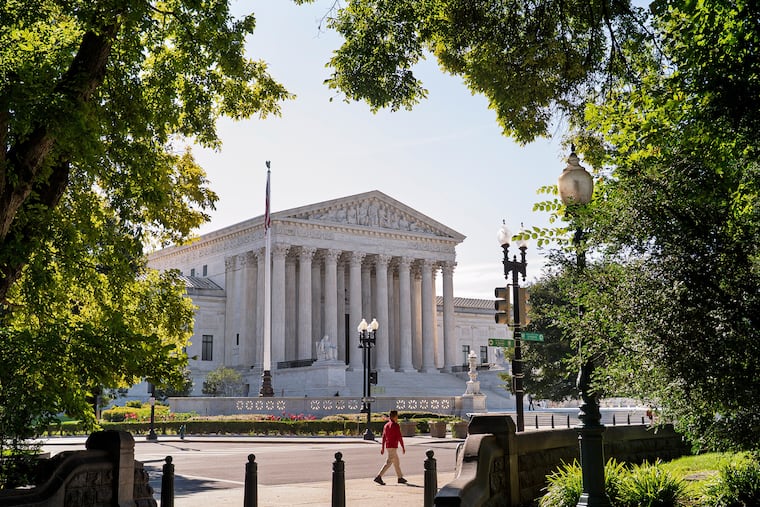
Republicans in November are trying to break Democrats’ 5-2 majority on Pennsylvania's high court, which plays a critical role in redistricting.

A national Democratic group that works on state legislative races is making a “six-figure investment” in this year’s Pennsylvania Supreme Court retention elections, the latest sign that the usually sleepy off-year judicial contests are taking on broader significance.
The Democratic Legislative Campaign Committee will send the money to Pennsylvanians for Judicial Fairness, a group working to reelect Christine Donohue, Kevin Dougherty, and David Wecht, the three incumbent Democratic justices on the ballot this year, DLCC spokesperson Samantha Paisley said.
In an interview Friday, Paisley declined to say how much money the DLCC was spending.
DLCC president Heather Williams said the group is “clear-eyed on the major implications that these Pennsylvania state Supreme Court races will have on Democratic legislators’ ability to deliver on their agenda in Harrisburg, as well as the redistricting process at the end of this decade.”
The group’s pledge follows a cash infusion from the national Republican State Leadership Committee for digital ads urging Meta and Google users to “vote no” in the Nov. 4 election, Spotlight PA reported.
A fuller financial picture of the race may begin to emerge later this month, when campaign finance reports become available.
Every 10 years, sitting Supreme Court justices face retention elections, in which voters face yes-or-no choices on whether to reelect the justices, rather than a choice between candidates.
If the justices fail to win retention, Democratic Gov. Josh Shapiro could appoint replacements — subject to confirmation in the GOP-controlled state Senate — who would serve until the seats are filled in open elections in 2027. That would allow the newly elected justices to be in place for the next presidential election in 2028 and the redistricting cycle following the 2030 census.
Judicial retention elections rarely draw significant attention. But this year’s races have drawn national interest as Republicans seek to break Democrats’ 5-2 majority on the state’s high court, which plays a critical role in adjudicating conflicts over election administration.
”Extremist Republicans have made it crystal clear they are willing to weaponize the judiciary to keep themselves in power, and we will not stand back and allow them to undermine the voices of the voters in Pennsylvania or anywhere else,“ Williams said in a statement.
Meanwhile, state Republican Party spokesperson James Markley said recently that the incumbent justices have “spent their careers as partisan Democrats, making blatantly political rulings.”
“Voters deserve better,” Markley said. “It’s time to bring fairness and integrity back to the highest court in our Commonwealth.”
Staff writer Gillian McGoldrick contributed to this article.