Awaiting SCOTUS action, these Pa. lawmakers want to protect same-sex marriage here
The move comes as the U.S. Supreme Court was asked to consider taking on a case that could overturn Obergefell v. Hodges.

For years, Pennsylvania Democratic lawmakers have unsuccessfully tried to enshrine same-sex marriage into state law, but with the U.S. Supreme Court being asked to consider taking on a case that could overturn that right nationally, their efforts have taken on greater urgency.
The nation’s high court last month was asked for the first time to weigh a case that could overturn Obergefell v. Hodges, the landmark 2015 ruling that legalized same-sex marriage nationwide.
This has served as a backdrop to state Democratic lawmakers reintroducing the Marriage Equality Act — which would codify same-sex marriage in Pennsylvania law — in both the state House and Senate. If passed, the legislation would add an extra layer of protection for the LGBTQ community in Pennsylvania if Obergefell is jeopardized by the conservative-majority court.
Same-sex marriage became legal in Pennsylvania more than a decade ago after a federal judge struck down the state’s ban in 2014, one year before Obergefell became the law of the land. However, the Marriage Equality Act would provide a safety net, according to bill sponsors, and would allow state law to match the court ruling and redefine marriage in Pennsylvania as a civil contract between two adults.
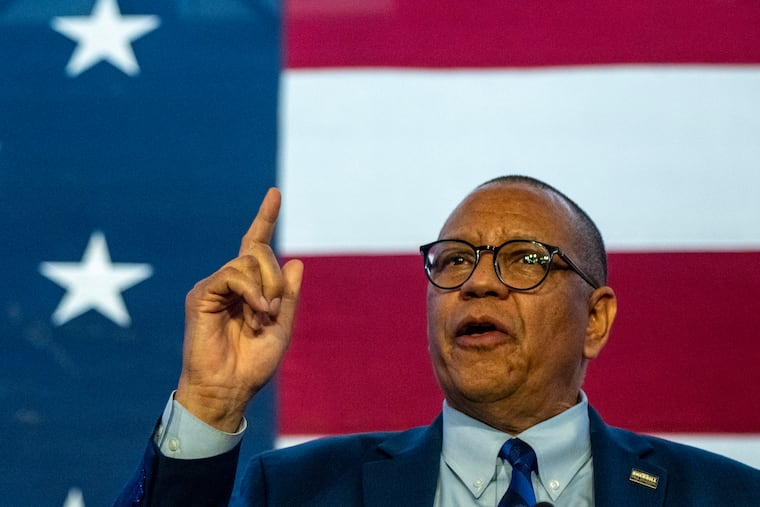
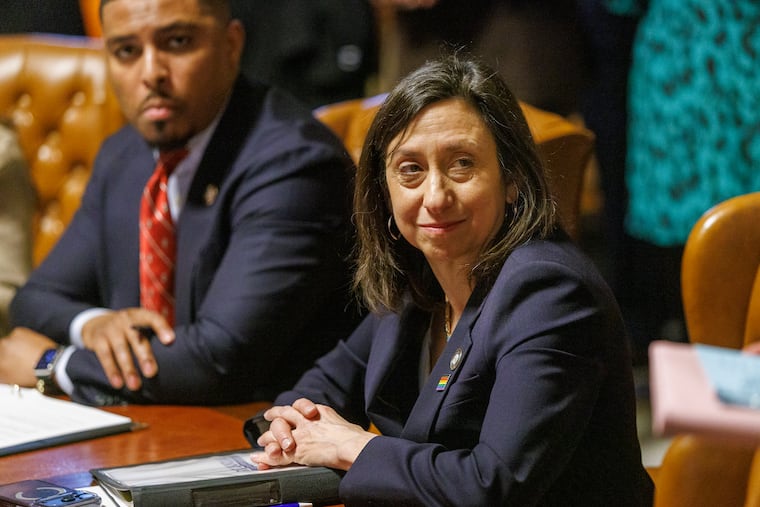
“This is not a culture war,” State Rep. Malcolm Kenyatta (D., Philadelphia), who introduced the Marriage Equality Act in the state House, said in an interview Monday. “There is nothing more American than strengthening the family unit, and getting this bad law off of our books strengthens the family unit, and that is the central reason that we’re doing this.”
The Democratic-controlled House passed the legislation 133-68 last year, with 32 Republicans supporting, but it was not called for a vote by the GOP-majority state Senate.
It was the first time marriage equality legislation passed through a chamber of the Pennsylvania state legislature, according to the Pennsylvania Youth Congress, an LGBTQ rights advocacy organization.
Kenyatta reintroduced the legislation this month, he said, with renewed purpose.
In a petition for a writ of certiorari filed in July, the Supreme Court was asked to hear the case of Kim Davis, a former clerk in Kentucky who was jailed for six days in 2015 after refusing on religious grounds to provide a gay couple with a marriage license. She is appealing for financial compensation and is arguing that her actions were protected by the First Amendment and that the ruling in Obergefell was “egregiously wrong.” The court receives many such petitions each year, and it does not necessarily mean SCOTUS will take the case.
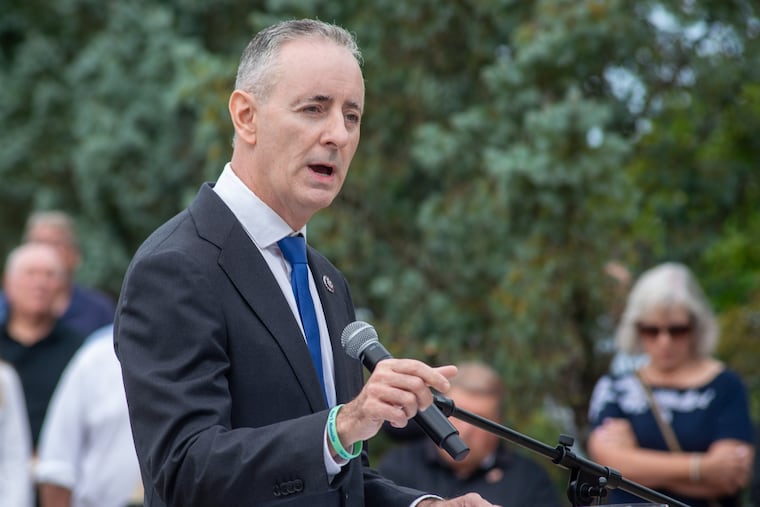
The Senate version of Kenyatta’s bill, introduced by State Sen. Carolyn Comitta (D., Chester), likely faces an uphill battle in that chamber. But legislators believe that if it ever came to a vote in the Senate, there would be support across the aisle.
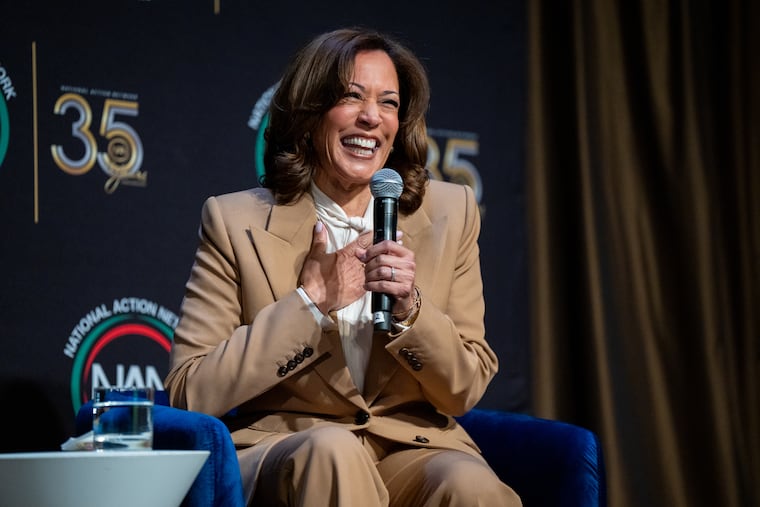
“If the marriage equality bill were to come up for a vote in the state Senate, I am more than confident that it would pass with significant bipartisan support,” said State Rep. Jessica Benham (D., Allegheny), cochair of the state House’s LGBTQ+ Equality Caucus. “So the question we have to ask is, what is Senate Republican leadership afraid of, and why won’t they bring it up for a vote?”
A spokesperson for the Pennsylvania Senate GOP caucus did not respond to a request for comment as to whether the caucus would consider bringing the Marriage Equality Act or similar bills affecting LGBTQ Pennsylvanians to a vote.
Both bills are part of a larger effort from lawmakers and advocates to protect and prepare Pennsylvania’s LGBTQ community at a time when rights could be taken away at the federal level.
Separately, Democratic lawmakers are encouraging the passage of the Fairness Act, which would add “sex, sexual orientation, gender identity or expression” to the list of prohibited forms of discrimination in the Pennsylvania Human Relations Act.
The efforts by Democrats signify the gravity of protecting LGBTQ families under the conservative-leaning Supreme Court.
Angela Giampolo, a Philadelphia attorney and LGBTQ legal expert, said that she does not believe SCOTUS will take up Davis’ case, but that the revocation of rights for those in the LGBTQ community could come through a piecemeal approach.
“I envision, instead of one big overturning of Obergefell — which would create mutiny and all the things — that we will see an erosion … and death by a million cuts," Giampolo said.
Since Obergefell, nationwide support for same-sex marriage has been strong and steady, though it has slipped among Republicans in recent years, Gallup reported in May.
“Families right now, who have kids that they just dropped off at school today, feel like their partnership is at risk, and it is at risk because of the Supreme Court — this new iteration of the Supreme Court — that’s not good for our families," Kenyatta said.
Trying to change a ‘bad law on the books’
Pennsylvania law defines marriage as “a civil contract by which one man and one woman take each other for husband and wife” and includes a provision that same-sex marriage is “void” in Pennsylvania, which is currently unenforceable because of the federal court rulings.
Kenyatta’s and Comitta’s bills would amend Title 23, which focuses on domestic relations, to redefine marriage as “a civil contract between two individuals” and repeal that provision.
The federal judge’s ruling in the 2014 case, Whitewood v. Wolf, said discrimination against same-sex marriage is unconstitutional.
However, Benham said, it is crucial to have these laws on the books updated in case court decisions get overturned.
“It’s important for our laws and our statutes to reflect that,” said Benham, who is a cosponsor of Kenyatta’s bill. “We cannot rely on court decisions which can be overturned to protect the rights of our community.”
And selling that to his fellow lawmakers comes down to one thing, according to Kenyatta: family.
“Marriage equality is the law of the land, but Pennsylvania remains one of those states where we still have bad law on the books,” Kenyatta said. “And we have an opportunity this session to finish some business, and that business is making sure that in Pennsylvania, we recognize that the families are going to look different.”