Philly’s collar counties are only authorized to tax property. Could SEPTA’s budget crisis change that?
County officials have long sought broader taxing authority. Some say the debate over transit funding could force the issue.

Officials in Philadelphia’s collar counties are hopeful that the monthslong impasse over funding for SEPTA may push lawmakers to consider a change to state tax law they have sought for years.
With many of their residents dependent on SEPTA for daily work commutes and other trips into Philadelphia, officials across the suburban counties — Montgomery, Delaware, Bucks, and Chester — say they are committed to its success, and they contributed more than $30 million to it last year. But the state’s laws, which allow counties to tax only property, prevent them from doing more to support the agency without raising property taxes.
Officials have long asked state lawmakers to grant them the authority to tax wages, sales, or property transfers. Some wonder if the current debate over the beleaguered transit authority may finally push the issue.
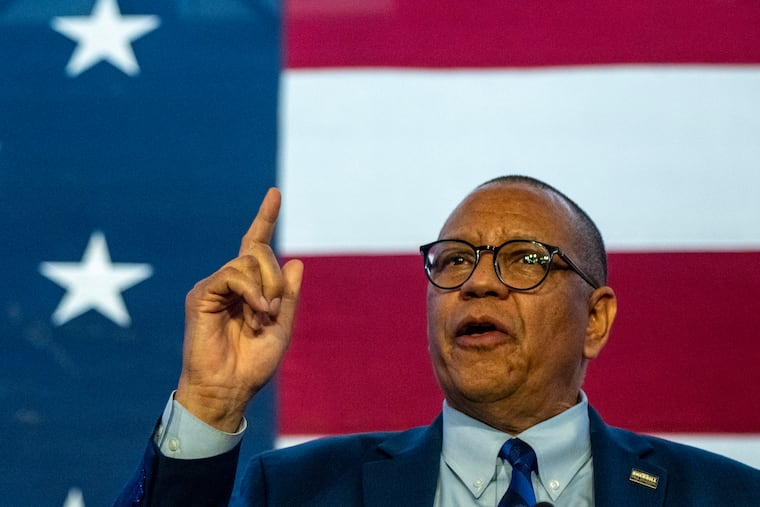
“They’re holding up public transit funding for the entire commonwealth,” said Monica Taylor, a Democrat who chairs the Delaware County Council. “All of these things are piling up and coming together, and they haven’t passed a budget. … This is hopefully pushing for the opportunity for people to come back to the table and start talking.”
Last year, representatives of all four counties and Philadelphia, which as a city has broader taxing authority, sent a letter to the General Assembly urging lawmakers to consider legislation that would allow counties to expand their revenue sources, as they raised alarms about SEPTA’s budget woes.
A study from the Delaware Valley Regional Planning Commission, the letter said, considered more than a dozen potential revenue sources for counties, including wage taxes, transit taxes, and sales taxes on gasoline, cigarettes, liquor, and hotel occupancy.
If the state increased its own funding share while also giving counties new revenue options, the letter argued, SEPTA’s budget shortfall would be resolved.
“Increasing funding to sustain operations now is essential, and growing operating funding to allow for more frequent and convenient service is critical to our region’s long-term planning and economic growth,” the September letter said.
Proposals introduced in the General Assembly would allow counties across the state to apply new taxes and use those funds specifically for transportation costs, including local and regional public transit.
But the proposals, some of which have received votes in recent years in the Democratic-controlled House, stalled in the GOP-led Senate.
“Right now, for whatever reason, people aren’t listening to each other, so the good ideas aren’t getting heard,” said Josh Maxwell, a Democrat who chairs the Chester County Board of Commissioners.
Last year, three of the four collar counties approved property tax increases as part of their 2025 budgets, often citing inflation and rising wages for county workers.
Additional revenue sources, county officials argue, are essential not just for county budgets but also for the benefit of residents. Inflation has forced counties to increase property taxes to cover their costs, but those increases have a disproportionate impact on retired residents on fixed incomes.
And residents already deal with regular property tax increases from their school districts, which increase levies nearly annually to keep up with education costs.
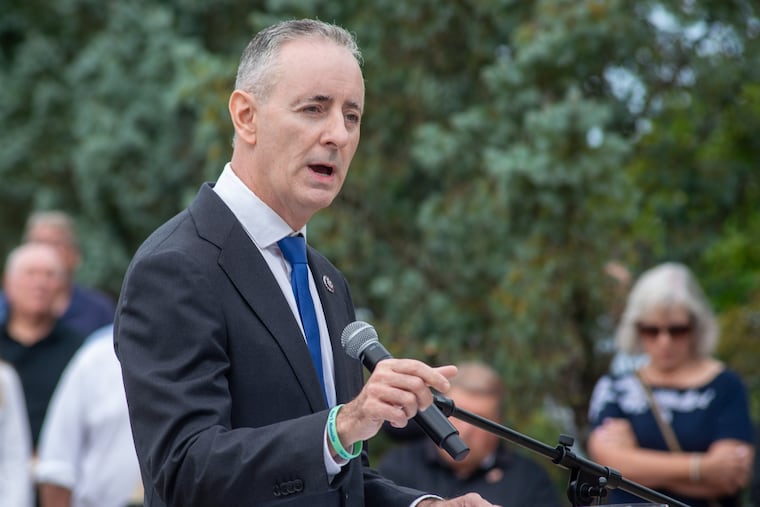
“We have people paying a lot of property taxes and want to stay in their homes. We don’t want to burden them,” said Bucks County Commissioner Bob Harvie, a Democrat who is running for Congress.
Though they have largely been ignored in the General Assembly, the county tax proposals have garnered some attention from transit activists during the budget impasse, who argue sustainable funding will require more contributions from local governments.
Last year’s state budget asked counties to contribute more to transit, which counties supported. County contributions are calculated based on local usage, and some officials in the collar counties have said they are open to absorbing an even larger share of SEPTA.
“There’s definitely a commitment to doing everything we can,” Harvie said.
But for many of the counties, additional funding may not be possible without more revenue-gathering options.
“If we hear ultimately from the General Assembly that it’s up to the counties that are in the SEPTA service area to cover the shortfall … if you’re telling me to do that, you’re telling me to raise the property taxes, because you’re not giving me any other way of funding,” said Delaware County Council member Christine Reuther, a Democrat.
The Delaware County Council voted late last year to raise property taxes by 23%, eliciting outrage among many community members. But Reuther argued it was essential for the county’s financial health.
Noting a long-standing opposition to increased taxes by Republicans, Reuther was doubtful the GOP-controlled Senate would allow counties to institute new taxes soon. But she said she hoped lawmakers would take another look at the way the state manages property tax assessments and allow counties to absorb more of the increases that come with inflation.
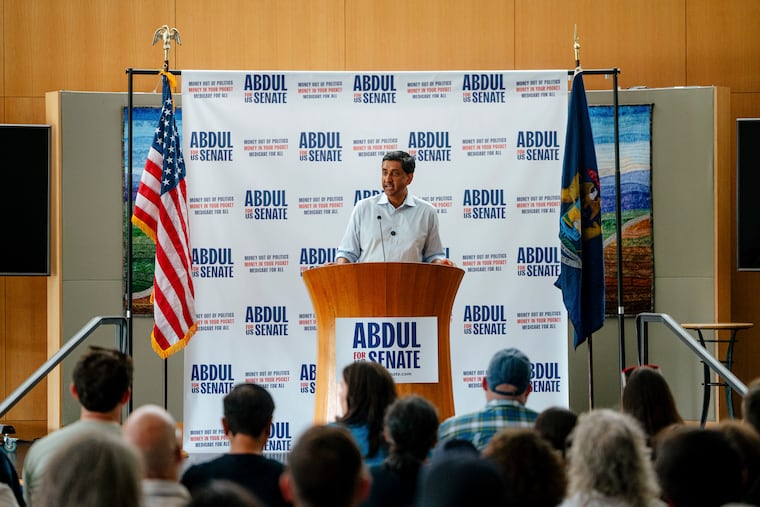
Some officials are cautious about overpromising what could be delivered through a new taxing mechanism. Montgomery County Commissioner Neil Makhija worried state lawmakers would see local taxes as a replacement for the state adequately funding public transit, rather than a tool to make transit even better.
“Nobody wants a situation where they say, ‘OK, now the counties have to figure it out,’” Makhija said. “The reason people aren’t talking about the local funding options bill is because they think Harrisburg will use it as an excuse not to fund SEPTA.
“What’s most disappointing about the conversation in Harrisburg right now is it’s about whether or not SEPTA should barely survive, as opposed to ‘What should transit look like so that our communities are thriving?’”