A decade ago, Philly’s pension fund looked like it could sink the city. Now it’s on pace to be fully funded by 2032.
A decade ago, the pension fund was only 45% funded. But a series of reforms under successive mayors have fostered a remarkable turnaround.
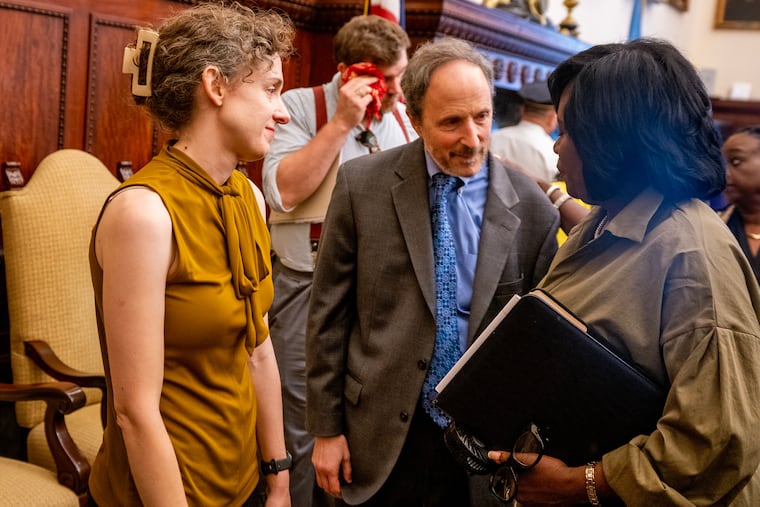
Philadelphia’s $10 billion municipal pension system is now 68% funded and on pace to reach full funding by 2032, a year earlier than previously projected, City Controller Christy Brady announced this week.
A decade ago, the pension fund was only 45% funded and appeared to pose a significant threat to the city’s fiscal health. But a series of reforms carried about by successive mayors, state and city legislators, and municipal labor leaders have fostered a remarkable turnaround.
The city’s pension system pays for retirement benefits for city workers. Benefits vary based on when employees were hired. About 35,000 people are currently receiving benefits, according to the pension board’s most recent newsletter. That includes retirees, their beneficiaries, and disability claimants.
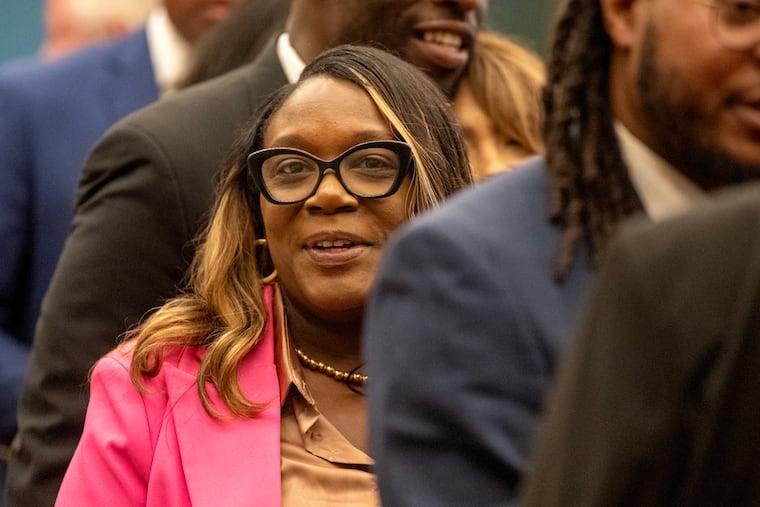
“The fiscal health of the Pension Fund continues its relentless upward climb since many reforms were put in place 10 years ago,” Brady, who sits on the city Board of Pensions and Retirement, said in a statement. “We’ve made smart investments, doubled our assets, reduced investment manager fees — resulting in a large reduction of the overall liability for taxpayers."
The reforms included increasing annual contributions from the city budget to the pension fund beyond the minimum amount required by state law; negotiating union contracts with higher employee retirement contributions; moving away from high-fee investment managers; and dedicating revenue from a 1% sales tax in Philadelphia to the pension fund.
Despite disagreeing on many other issues, the mayoral administrations of Michael A. Nutter, Jim Kenney, and now Cherelle L. Parker have largely stuck to the same playbook when it comes to turning around the pension fund.
“Everyone has played a role in the stabilization of our pension fund, a development with enormous fiscal consequences for our city,” Parker said last year to City Council.
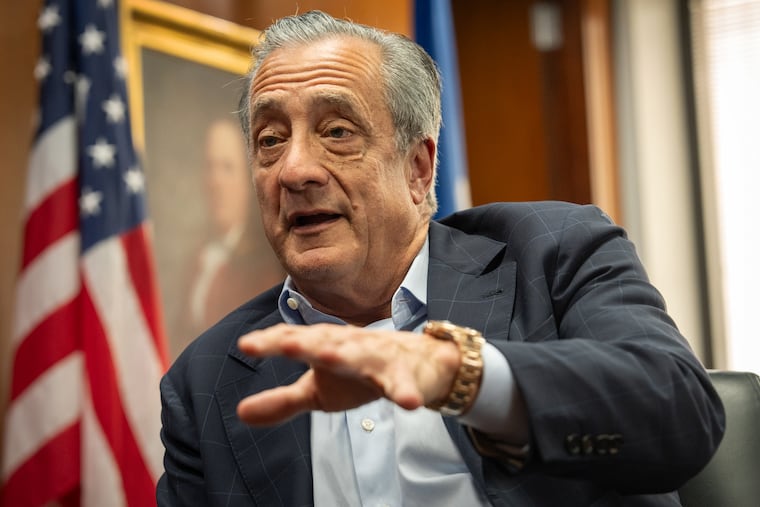
The continuity is in no small part due to the influence of Rob Dubow, who has been the city’s finance director since 2009 and has encouraged mayors to prioritize improving the health of the pension fund. Dubow chairs the pension board, which in addition to Brady includes appointees from the administration and the labor unions for city workers.
The good news for the pension fund comes as Parker prepares to unveil her proposal for the next city budget to Council on March 12.
The city remains on relatively strong financial footing — despite spending more than $50 million to respond to the major snowstorm in January.
The current budget, which took effect in July 2025 and was originally projected at $6.8 billion, has grown to just under $7 billion, according to the latest Quarterly City Manager’s Report. The fund balance — the amount of money left unspent, and the city’s primary reserve for navigating unexpected crises — is now projected to close the current fiscal year at $509 million, up from an initial estimate of $471 million.
As the city chips away at the pension system’s unfunded liability, it is paying more than $800 million per year into the system, an enormous expense. But there is light at the end of the tunnel.
If Parker serves two terms, she will leave office right when the pension fund is projected to reach full funding, which will be a watershed moment and will reduce the annual pension contribution by more than $400 million.
» READ MORE: Why Mayor Cherelle Parker is asking Council to approve a tax cut that will take effect in 2038
Parker’s budget plans appear to take into account that the next mayor may have it easier when it comes to fixed costs. For instance, her 13-year schedule for reducing business income and receipts tax rates, which Council approved last year, back-loaded the biggest tax cuts until after she is likely to leave office.
Meanwhile, Parker’s signature housing initiative calls for the city to take out $800 million in bonds over the next two years. Philly taxpayers will repay that debt, along with an estimated $500 million in interest, over the coming decades.