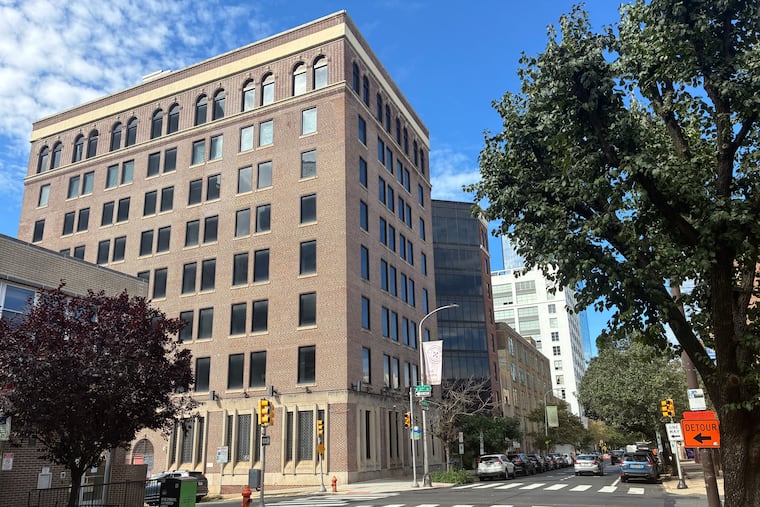
A state board that oversees Philly’s finances examined Mayor Parker’s plan to fund schools with a new rideshare tax
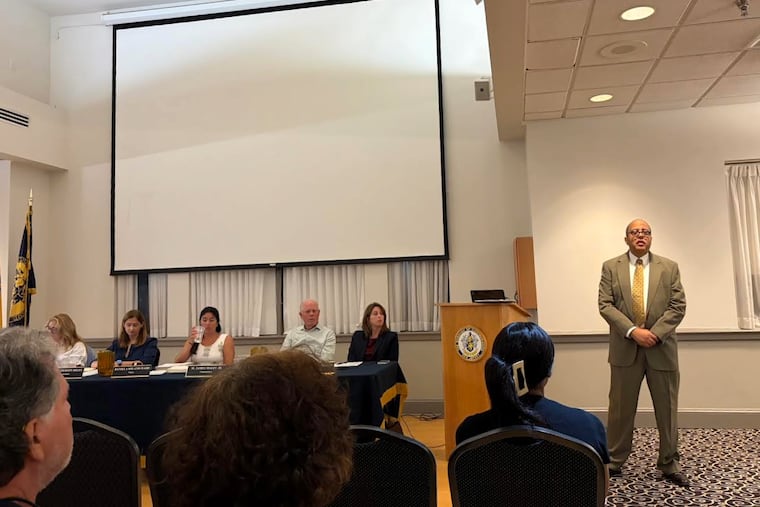
PICA board member Alan Kessler noted that opponents of the tax have not proposed an alternative for funding city schools.
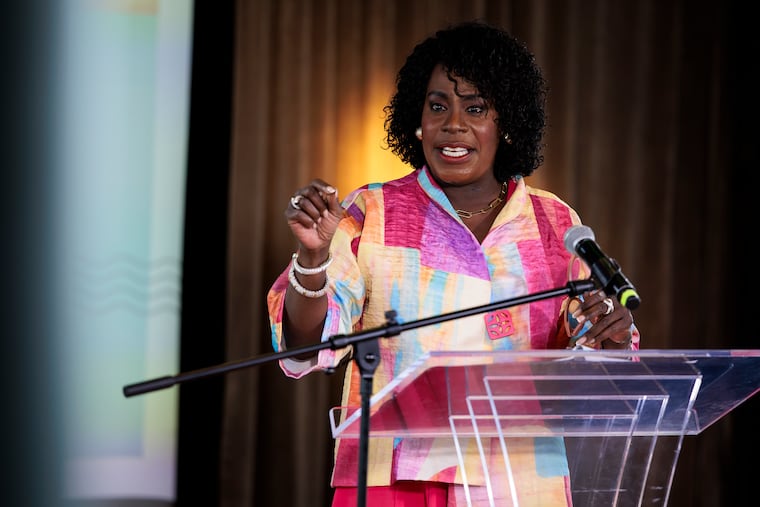
A state-appointed board that oversees Philadelphia’s finances on Friday probed Mayor Cherelle L. Parker’s proposal to impose a tax on rideshare services like Uber and Lyft to help plug the Philadelphia School District’s budget deficit.
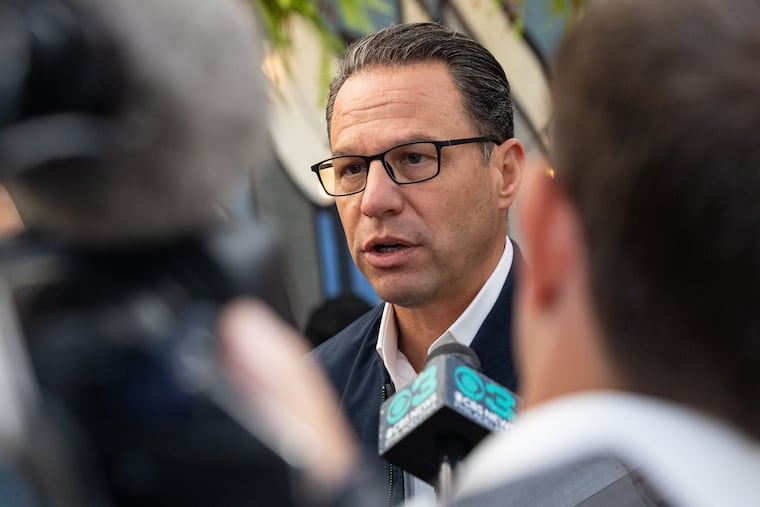
During a special meeting of the Pennsylvania Intergovernmental Cooperation Authority to examine the tax, board member Alan C. Kessler said Parker’s plan was “the essence of leadership.”
“Raising taxes of any kind is not a very popular thing to do, particularly, by the way, given the fact city elections are a year away,” said Kessler, a Duane Morris lawyer and high-profile Democratic donor. “It’s about making tough, sometimes unpopular decisions to address very difficult problems.”
The other board members asked questions about the tax proposal but did not offer opinions about it.
Parker proposed the $1-per-ride tax after the Philadelphia School District revealed last month that it planned to eliminate 340 school-based positions to help close a $300 million structural deficit. Superintendent Tony B. Watlington has said the district could avoid making those cuts this year if City Council approves the tax.
Uber spokesperson Jazmin Kay said the proposal would amount to a double-tax because the Philadelphia Parking Authority already imposes a 1.4% levy on rideshare trips in the city.
“Regressive taxes on working people aren’t bold,” Kay said. “In just the past two weeks, nearly 25,000 letters have been sent to the Mayor and City Council opposing this per-trip fee, which would disproportionately impact riders already facing tight budgets, including seniors, students, and people with disabilities.”
The proposal has so far not gone over well in Council, with some lawmakers saying they are concerned it could hurt low-income residents without cars who rely on Uber and Lyft.
The rideshare tax has also become a political bargaining chip in an unrelated fight over school closures. Frustrated with the school district’s plan to close 17 school buildings and modernize 169 more as part of its facilities plan, Council members have threatened to oppose the rideshare tax if the district doesn’t amend the plan.
Kessler noted that the rideshare tax’s critics have not proposed a credible alternative for funding schools.
“It’s easy to play to audiences; it’s easy to criticize,” Kessler said. “What we haven’t seen so far is anyone coming forward with a better or more creative way of raising a critically necessary recurring revenue source.”
Established in the early 1990s to help Philly survive a fiscal crisis, PICA’s primary task is to annually review the city’s five-year financial plan. Because the roughly $50 million per year in rideshare tax revenue would go directly to the school district and doesn’t affect city finances, PICA does not need to approve of any plans involving the tax.
But at PICA’s meeting to vet the proposal, some board members offered feedback in their individual capacities.
After city Finance Director Rob Dubow made a presentation to the board, PICA board chair Kevin Vaughan thanked the administration for its “transparency.”
“It’s important ... to figure out how to make sure that [the school district] functions and it functions properly,” he said. “So we thank you for making us aware of whatever strategies you have and what the school district has to do make that happen.”
Board member Rosalind W. Sutch, an accountant and partner at Armanino Advisory LLC, asked Dubow if the city had examined who would be most affected by the tax.
Dubow cited statistics showing that higher-income people tend to use rideshare services more often and that less than 1% of people who make under $50,000 per year use them to commute to work.
Philadelphia’s school district is the only one in Pennsylvania that cannot raise its own revenue under state law, and instead, relies on city and state lawmakers for funding.
In his remarks, Kessler noted that the city needs to chip in more for Philly schools if it wants to persuade Harrisburg Republicans, who control the state Senate, to dedicate more state funding to the district.
“To have any chance of securing any additional funding from the state with a very unsympathetic, sometimes even hostile state Senate,” Kessler said, “the city is going to have to show increased skin in the game.”