A K-8 Jewish day school is proposed for Washington Square West
The project has provoked some pushback for its height and for three residential units that are planned atop the school.
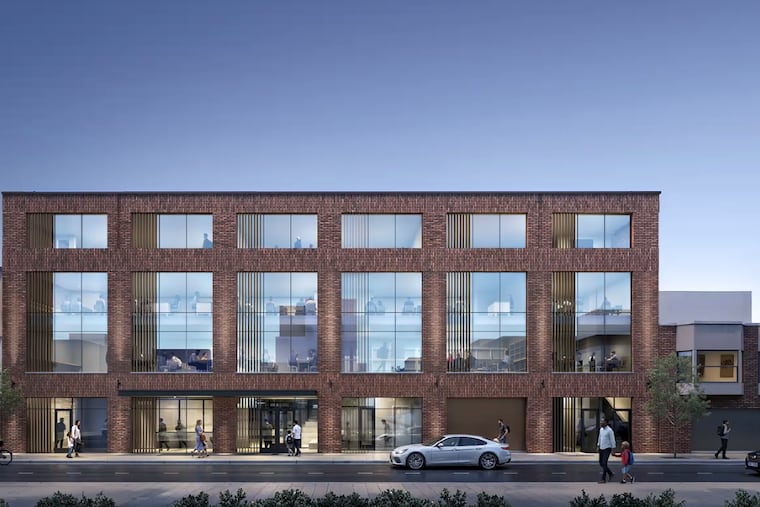
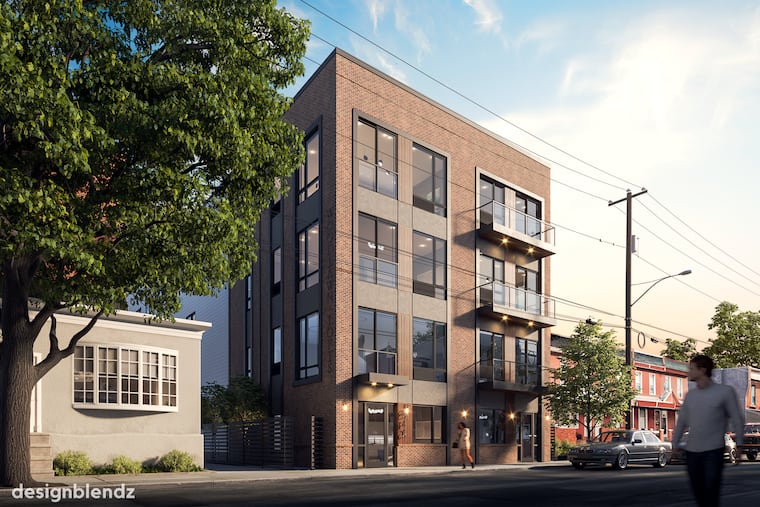
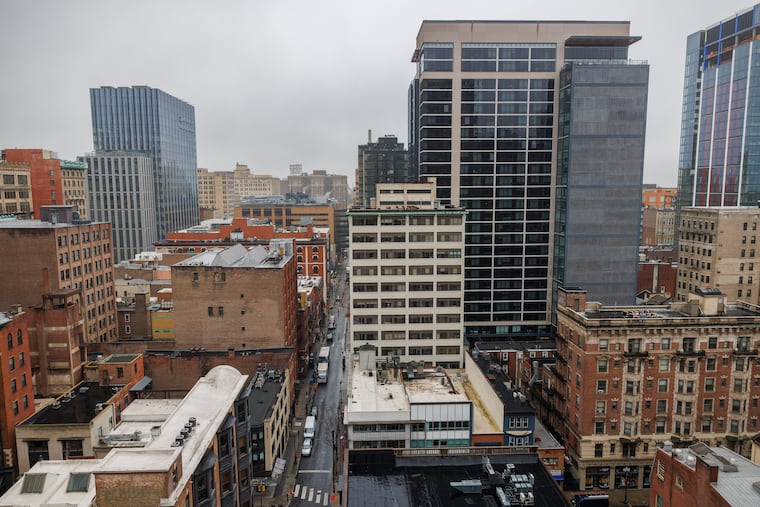
A long vacant parking garage at 510-28 S. Eighth St. sits between some of Philadelphia’s most desirable neighborhoods, and Rabbi Yochonon Goldman hopes it could soon be the site of Center City’s only Jewish day school.
It all depends on how the Zoning Board of Adjustment rules.
The four-story, almost 36,000-square-foot plan for the building is the third iteration of the proposed K-8 school. Goldman, who is rabbi of B’nai Abraham Chabad, and developer Masada Custom Builders are seeking neighborhood support for the project.
The proposal has stirred controversy for its height, size, and the inclusion of several apartments. The project needs seven variances from the city’s Zoning Board of Adjustment, largely because the garage is zoned for multifamily rowhouse development, just like most of the surrounding blocks.
The plan is more likely to succeed at a zoning hearing if it has the support of local neighborhood groups, chiefly the Washington Square West Civic Association.
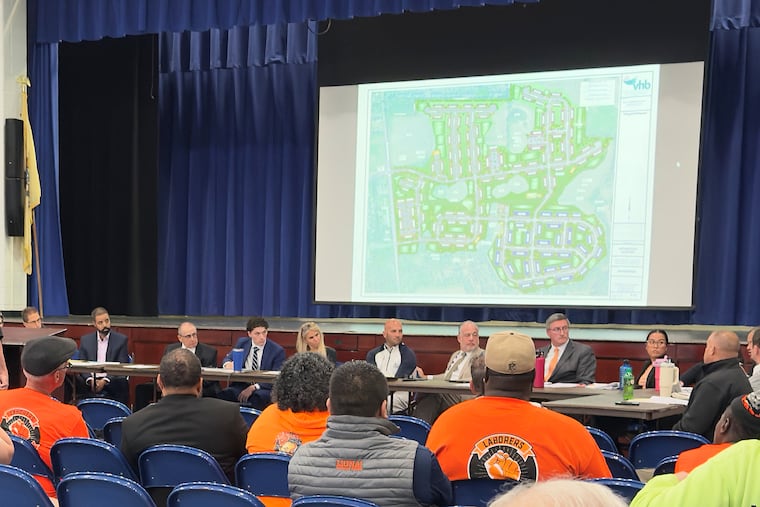
“I truly believe that this educational institution will enhance our neighborhood,” Goldman said at a neighborhood meeting last week. “It will be a tremendous asset to all residents of the neighborhood, whether you’re Jewish or not.”
Goldman’s synagogue runs a successful nearby pre-kindergarten program at the synagogue on 527 Lombard St., and many parents are frustrated by the lack of a Jewish elementary school in the area.
But the Lombard Mews homeowners association, which borders the site to the west, has organized to negotiate with the development team and hired veteran zoning attorney Paul Boni.
Immediate neighbors say they are most concerned with the proposed building’s size and height, which in early iterations was five stories. They are skeptical of plans to build three apartments on top of the school, saying the apartments would bulk up the structure.
Speakers from Lombard Mews included Aren Platt, who served as one of Mayor Cherelle L. Parker’s top advisers during her election campaign and the first year of her administration. He reiterated that his neighbors’ chief concern was with height and size, not the idea of a school in this location.
Two of the apartments above the school would be small studios for interns who join the faculty and will need affordable nearby residences. The largest would be for the rabbi’s family: a bi-level condo with a private elevator and roof deck.
At the meeting, the design team noted that the current version of the building is 52½ feet, down from over 70 feet originally. The team reduced the ceiling height of each floor and eliminated one story from the plans.
Still, critics argued against the apartments — especially given that the classrooms have shrunk to meet neighbor demands but the living units remained intact.
“We’re puzzled as to why the proposal includes three luxury dwelling units on the top,” Boni said at the meeting. “Eliminating that square footage would seem to go a long way toward meeting our requested building envelope.”
Goldman argues that the apartments atop the school are essential to the project’s success.
“A rabbi’s home is not just a private residence; it’s a communal space which builds strong relationships among community members who become like an extended family, sharing meals with the rabbi’s family,” Goldman said in an email. “It’s all part of the educational model which we envision for the school.”
Goldman also says that having a responsible and active presence on site 24/7 will be a positive for the school building. But most important to him, the close proximity will aid in the religious practice of his community.
“This space is not just a home. It is a vehicle for hospitality and connection,“ he said. ”Beyond the academics offered in the classroom, the school is a place where the values of Judaism come to life."
Some opponents thought the school should be rejected entirely for its attempt to bypass the property’s zoning. The proposal provides only 12 parking spaces, while the zoning requires twice that, and a roof deck is not allowed under current land-use rules.
Regarding parking and potential congestion from the plan — a fear expressed by some nearby small business owners — the development team said their traffic study showed that 50% to 60% of students would walk to school, as they already do to the pre-K program. Supporters noted that many Jewish families who do not drive on Shabbat and certain holidays would prefer to live within walking distance to school.
“Right now, we have 75 kids, and at least 60 from those kids are walking,” said Isaac Ohayon of Masada Custom Builders. “They live in the neighborhood. … They’re all no more than 10 to 15 blocks away.”
The Washington Square West Civic Association will vote Tuesday on whether to support or oppose the project when it goes before the zoning board March 4.