City Council members want homeownership program to be more affordable
A neighborhood fight over 30 affordable homes blew up at a Council budget hearing on Wednesday.
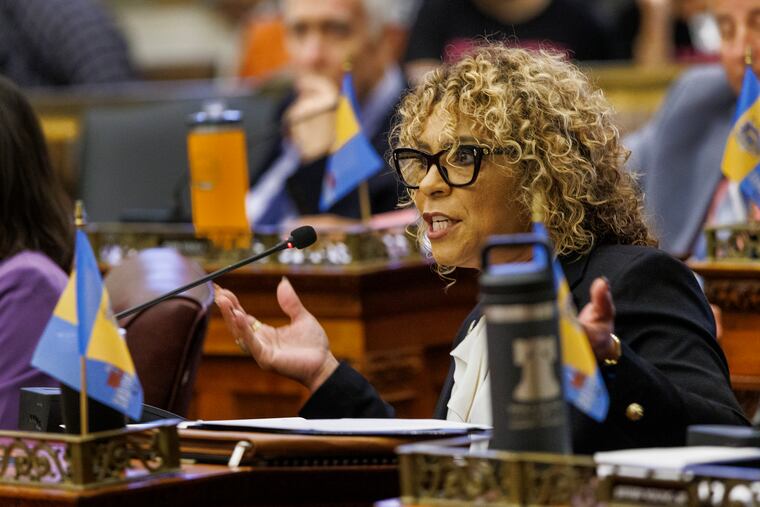
City Council had harsh words for Mayor Cherelle L. Parker’s administration Wednesday about an affordable homeownership program that Council voted to fund multiple times in the last year.
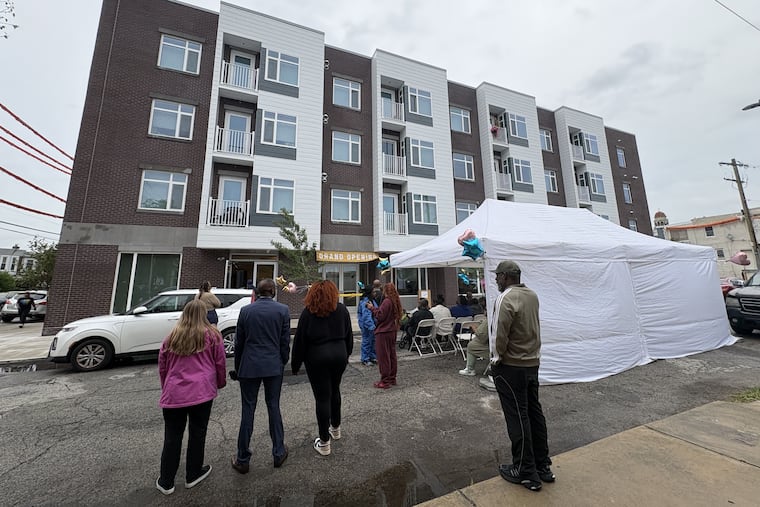
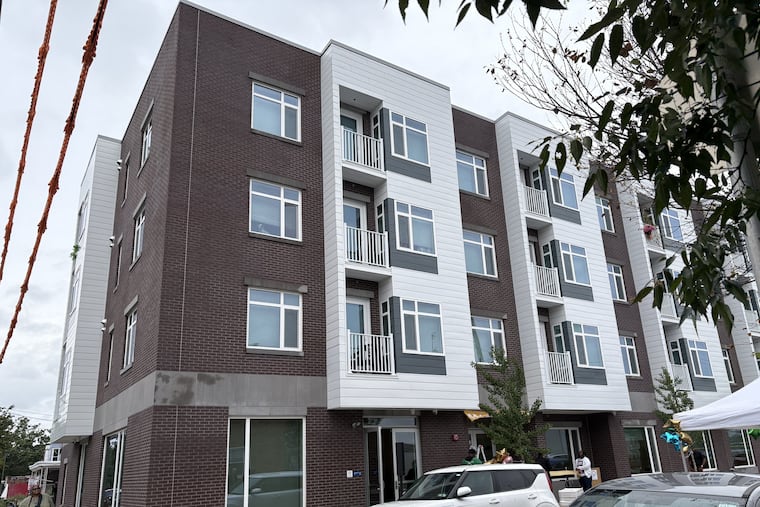
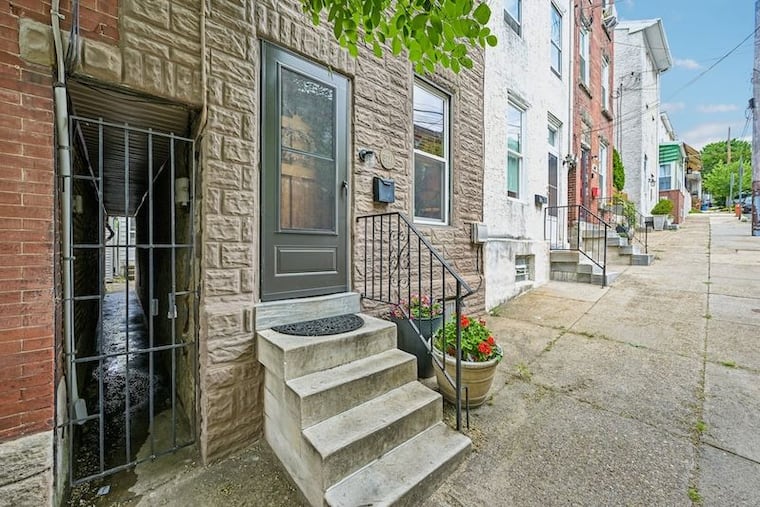
The Turn the Key program provides mortgage support for first-time homebuyers, subsidizing costs for municipal employees and other working-class Philadelphians who want to own a home. It provides home buyers with a loan of up to $75,000 toward buying a house, which the city may forgive over time.
The program gets a huge boost in Parker’s $800 million HOME initiative and is partly fueled by giving developers access to vacant city-owned land, which helps keep prices low.
But not low enough, according to Council members who represent some of the city’s poorest neighborhoods — which are also where most city-owned land is.
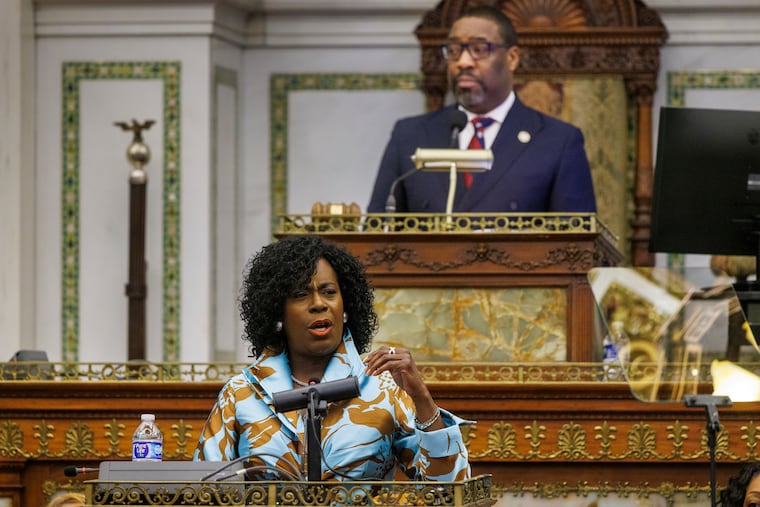
“I have more than one neighborhood that is being gentrified, and that is not going to continue to happen in my neighborhood,” Councilmember Quetcy Lozada, who represents much of Kensington, said at a budget hearing for the Department of Planning and Development on Wednesday.
Lozada’s critique is partly about a specific project in her district from Civetta Property Group, the largest developer of Turn the Key homes.
But it’s also about the larger question of whom city-owned vacant land should be for, as affordable-housing developers based in her district argue that the homeownership plan doesn’t go far enough.
Parker administration officials are frustrated, in turn, that Council members are pushing back on a program they all voted for and that focuses on working-class households, not wealthy newcomers.
In 2024 and 2025, income for participants in the program averaged slightly under $50,000, according to the Department of Planning and Development.
Turn the Key (TTK) has served households at or below 60% of AMI — a little over $51,000 for a one-person household — “which is where the average Philadelphian comes in,” Jessie Lawrence, the city’s director of Planning and Development, said at the hearing.
At least 150 of the 369 Turn the Key homes have been sold to those earning even less, he said.
Councilmembers Jeffery Young and Jamie Gauthier, who represent much of North and West Philadelphia respectively, agree with Lozada’s criticism. They argue the city should offer a $100,000 city mortgage to Turn the Key participants, instead of the $75,000 cap on what can be currently awarded.
The Parker administration said that other programs are aimed at lower-income people and that Wednesday’s critiques of Turn the Key would necessitate the creation of a new policy.
Subsidizing mortgages
So far, 369 units have been sold under Turn the Key, with city employees representing 40% of buyers. A further 200 houses are under construction, and 1,004 are approved for development. On average, Turn the Key mortgages are $71,000 to lessen the cost of bank loans, which are about $200,000.
Turn the Key and the Philly First Home mortgage program that usually supports it are used to back up a mortgage from a traditional financial institution, bringing it in the price range of working-class Philadelphians.
But Lozada and her allies want larger subsidies.
“If we invest in the people, we provide the people with that ... $100,000 subsidy, that can give them that opportunity to afford these houses. You won’t get so much pushback from the community when we’re trying to put these products out there,” Young said at Wednesday’s hearing.
The Parker administration argues that increasing the subsidy for Turn the Key would have “significant budgetary implications that need to be assessed” and that current conditions in the lending markets make it difficult to accomplish.
With current conditions in the housing market — including elevated interest rates — unlikely to go away soon, banks have been tightening mortgage requirements making it harder for lower-income people to qualify even with Turn the Key backing.
“We recognize that our lending partners currently have limited products to assist TTK homebuyers at closing, and the underwriting threshold has increased for credit scores and income making it difficult for [lower-income] first-time homebuyers ... to qualify for a mortgage,” Jamila Davis, spokesperson for the Department of Planning and Development, wrote in an email earlier this month.
Lozada’s opposition of Turn the Key
The roots of Councilmember Lozada’s critique date to last year, when Civetta Property Group proposed a 30-unit Turn the Key project in the Norris Square neighborhood, which is marbled with vacant land.
Much of it is owned by city agencies, which means the Council member — Lozada in this case — needs to introduce legislation to move it to a new owner’s control. It’s a political intervention that national land bank experts have long said goes against best practices.
The Civetta effort followed a 45-unit Turn the Key proposal from the Riverwards Group for the neighborhood, which local community development corporations opposed, and Lozada made clear she would not support. The developer eventually gave up.
But Civetta pressed forward with community meetings. Opposition to the project was often framed in terms of the new homes’ lack of parking or, most commonly, that the price needed to be lower to be available to even lower-income people in the neighborhood.
Civetta argued that there is plenty of vacant land in Norris Square for both private-sector Turn the Key builders and nonprofit developers and that their homes would not be going to wealthy people.
“Turn the Key is not gentrifying neighborhoods; it’s actually stabilizing neighborhoods,” said Mike Tomasetti, owner of Civetta. “That’s all posturing, just show.”
Despite Lozada’s opposition, Civetta pressed forward, taking the project to the Land Bank’s board in March where the mayor’s appointees on the board eventually approved it, sending it to Lozada’s desk.
That persistence in the face of opposition has angered Lozada.
“Why do districts like mine continue to receive projects that don’t respect community input, don’t speak to the realities of our community?” Lozada asked administration officials at Wednesday’s hearing.
Council President Kenyatta Johnson weighed in on his members’ side. Why was the land bank board approving the Civetta project if everyone involved knows Lozada will never move the legislation forward?
“The reality is, that bill’s not going anywhere,” Johnson said. “So that doesn’t get anything accomplished … district Council members deserve the right to chart the path for their own community because they’re the ones that’s responsible to that community.”