Common reasons your houseplants are dying — and how to help them
Plant-care experts diagnose and solve eight common problems — from overwatering to the wrong soil to pests.
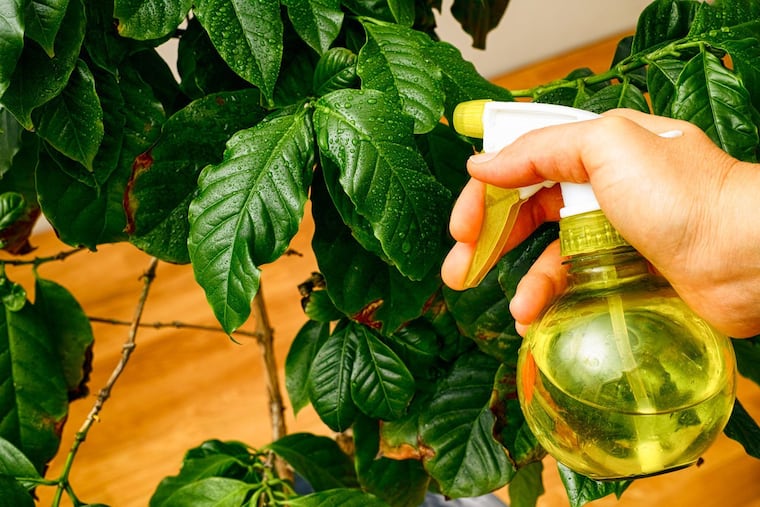
Houseplants connect us to nature, beautify our interiors, and can even boost our mental health. In return, it’s only fair that we cultivate a nice home for them, too.
“The best thing to do for any plant to make it literally go crazy in your home [with] new growth and big foliage is to mimic, replicate its natural habitat,” says Hilton Carter, author of Wild at Home: How to Style and Care for Beautiful Plants.
Of course, it’s not always easy to mimic tropical conditions in a city condo, and there are many reasons your plants might be struggling. We asked plant-care pros how to diagnose — and solve — eight common problems.
You’re overwatering
The most common mistake is overwatering, which can cause root rot that will ultimately kill your plant. Root rot comes from a pathogen that thrives in a consistently moist environment; if soil is left soggy for too long, the once-dormant pathogen activates and attacks the roots.
Signs of overwatering include yellowing or drooping leaves that fall off the stem, a pot that feels very heavy (as if it’s waterlogged), and soil that starts to smell. If you catch it early, you can counter root rot by reducing your watering frequency and moving your plant to an area that gets more direct sunlight. If the planter doesn’t have a drainage hole at the bottom, consider repotting in one that does. Make sure the soil is completely dry before watering again.
Preventing overwatering starts with abandoning the idea that you can standardize a watering schedule for all your plants, says Lily Cox, who runs the D.C.-area plant business Rewild. Instead, pay attention to the individual needs of each variety. Cox recommends sticking your finger into the top two inches of dirt to gauge whether it’s dry, wet or moist. If you want something more precise, you can buy a moisture meter for about $10.
You’re underwatering
Signs of a thirsty plant include leaves that are drooping, curling or getting brown. For varieties that like damp conditions, Emily O'Gwin, greenhouse manager at American Plant in Bethesda, Md., suggests thinking about the soil as a sponge. "Just imagine how much water you'd have to pour on that size sponge to keep it moist," she says. "You don't need to water it super thoroughly every single time, necessarily. You can add a little bit of water at a time."
Though it's logical that plants often need more water in spring and summer (when it's warmer and sunnier), winter conditions can also dry them out. For instance, if the plant is close to a radiator or heat vent, it'll likely get thirstier. Dry winter air can also be damaging — consider misting plants or turning on a humidifier for them.
Your plant is in the wrong container
A fern in a terra-cotta pot? Bad idea. A succulent in a glazed planter? Not great, either. Ferns, alocasias and other water-loving plants need their soil to remain moist. Pots made of terra-cotta, ceramic and clay are very porous and will dry out the soil faster. Glazed, metal and plastic containers, which retain moisture, will be a better fit. Succulents and cactuses, on the other hand, work well in porous planters.
You’re using the wrong type of soil
Pay attention to the soil mixtures you use: Cactuses and other drought-tolerant varieties prefer desert conditions, so an all-purpose mix that holds water could lead to overwatering. Try a cactus-mix, instead.
The planter is too small — or too big
If your plant’s growth seems stagnant, its leaves are wilting, and you’re having to water more frequently than usual to keep it hydrated, it might be root-bound — meaning its roots are too tightly packed, and it’s time to move the plant to a larger container.
Alternately, if the plant is staying wet for a long time, that's a sign the pot is too big and you should downsize. Using an oversize container will prevent the soil from drying out properly between waterings, which will lead to root rot.
Your plants are getting too much sunlight
When the sun is too strong, you'll often see bleached out foliage, and in extreme cases, holes burned straight through leaves. You may even notice the plant leaning away from the window in search of shade.
Before plopping your plant on a bright windowsill, evaluate the amount and intensity of light it prefers. Consider what direction the window faces: Southern and western exposures offer more direct light than east- and north-facing windows.
Your plants have too little sunlight
Echeveria and other sun-loving varieties need intense light to thrive, and they might not grow to their full potential indoors even if they sit in a south-facing window. Plants that are short on rays can experience etiolation, characterized by pale leaves and skinny, tall growth. Weak growth is also common under these circumstances.
They have pests
A distressed plant might also be suffering from a bug infestation. Common culprits include fungus gnats, spider mites and mealybugs. Fungus gnats, which thrive in damp soil, are hard to miss because you’ll find yourself constantly swatting them away. Spider mites, which are tiny and hide beneath foliage, can be much tougher to spot; look for white webs. Mealybugs look like a fuzzy mass of cotton or mold that appears where the leaf meets the stem.
Neem oil is a common pesticide that’s safe to use. Wipe leaves and stems with it multiple times to eradicate an infestation. Try sticky fly traps to catch fungus gnats. Kill their larvae by replacing the top two inches of soil and watering with a solution that includes mosquito bits.