Long-distance moves require extra planning. Here’s how to get started.
These tips can help you get organized ahead of time and ensure a smooth transition to your new home.
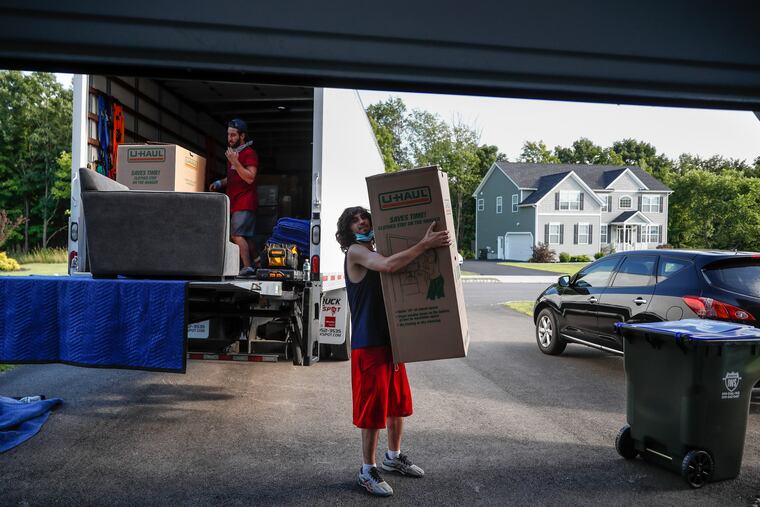
Moving to a new home — even if it’s just around the corner — can offer the promise of a fresh start. But doing so is also stressful, and a long-distance move requires additional planning, making it particularly daunting. Here are some tips to help you get organized ahead of time and ensure a smooth transition.
Create a to-do list and timeline
Jotting down tasks will help you make a schedule. The list will be adjusted continuously, but having a working document is key. Begin with things that should happen almost immediately, such as calling movers for estimates, and work your way toward tasks that will happen last, such as having your house cleaned after you move out. Set realistic deadlines, and give yourself space for the unexpected.
As you talk with moving companies, ask detailed scheduling questions. Will your items be driven by the same person from end to end? Will other clients' belongings be loaded on the same truck? Do they guarantee delivery on the appointed day? Try to get logistics ironed out early, but also know that you'll have to confirm and reconfirm several times as your move approaches.
Cull and clear out
Moving offers an opportunity to evaluate your belongings and decide what to keep, donate, toss or recycle. Minimizing how much you are moving can save you a significant amount of money.
Try to have everything you're not taking out of the way before you start packing. And if you're selling your home, ask whether the buyer wants to purchase any big pieces specific to your space, such as outdoor furniture.
Be realistic about the amount of storage space in your new home. If you will not have space for an artificial Christmas tree, consider not taking it along. If you don't have a garage or basement, don't bring boxes upon boxes of tools.
Start purging early. It takes time to go through an entire house. Schedule a pickup for furniture donations as soon as possible, because there’s often a long lead time. Cull your children’s clothes and toys for donation, or send hand-me-downs to a friend. You can also have a junk company pick up old electronics, paint, building materials and other bulk trash.
The packing process
One way to save money — and do something good for the environment — is to crowdsource boxes and packing materials. Ask friends, family members and neighbors whether they have any materials, and keep an eye on your local mailing lists for notices of free boxes. You will need boxes in every size, and you should gather more than you think you'll need.
Pack breakables securely in bubble wrap and packing paper. Stock up on packing tape, and have markers in each room. Label boxes with the room they'll be unpacked into, and be specific about the contents. Mark boxes containing essential items as "unpack first."
If your budget allows, consider having the movers pack some of your possessions, especially breakable ones. Some movers will insure fragile items that only they have packed.
Carry important documents, such as passports, birth certificates and vaccine cards, as well as laptops, phones, cords, jewelry and keys with you rather than packing them in boxes.
Insurance and appraisals
Unlike with a local move, where your belongings are typically loaded and unloaded within 24 hours and are traveling only a short distance, a long-distance move entails a greater risk of something being broken or damaged.
Locate and make copies of receipts for major purchases, and check that they are covered in your homeowners insurance policy. If you've owned a valuable piece of art for a long time and its value may have changed, have it appraised. The same goes for valuable furniture, jewelry or wine. Ask friends and family for referrals, and schedule an appraisal early.
Check with your insurance company about coverage when your belongings are in transit, and to update your policy to include your new address. And familiarize yourself with the moving company's policy for lost, broken or damaged items. Your moving company may even request a list of your home's general contents that can be turned into an inventory checklist on moving day.
Other logistics
Build in a cushion for travel time, in case your flight is delayed, your car breaks down, or someone gets sick, so you will still arrive in time to meet your moving truck.
Make a plan for transporting pets, and arrange for them to be off-site for both the move-out and move-in days to alleviate their stress — and yours.
Make an appointment for internet service installation the day after your truck is unpacked. Move-in day is too chaotic, and it’s better to have access to your computers and TVs during installation to ensure that everything is working properly.
Know where you want rugs and large pieces of furniture placed. If you're totally new to the area and don't know anyone, once the movers leave, you may not have anyone to ask for help if something heavy needs to be moved. It's sometimes helpful to sketch out the room layout for reference.
Submit a change of address to the U.S. Postal Service at least two weeks before you move, and notify family and friends of your new information.
If you are moving to a city, check parking and permitting policies for moving trucks. If you're moving into an apartment building, confirm with management that move-ins are allowed on the appointed day, and reserve the loading dock and freight elevator, if applicable.