City Avenue’s newest luxury apartment is a sign of the future, rising where a Lord & Taylor once stood
Buildings like the Blayr are attracting young professionals, couples, and empty nesters who want high-end amenities and easy access to Philadelphia and the Main Line, stakeholders said.
City Avenue’s burgeoning residential corridor just welcomed its newest addition.
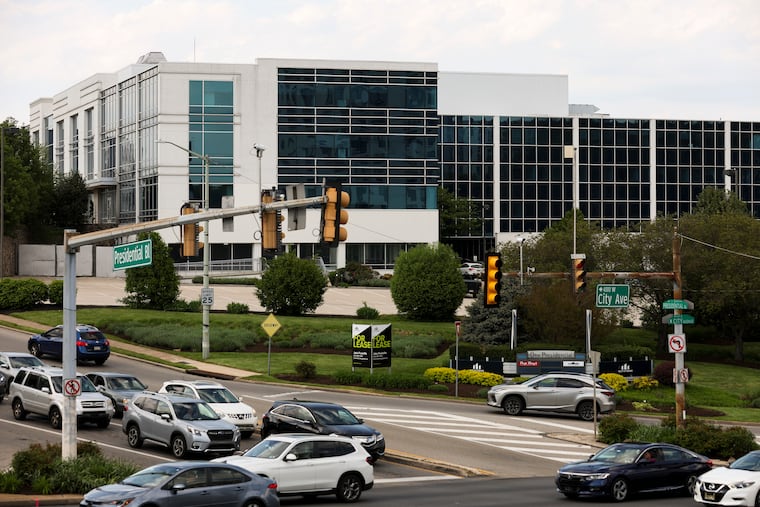
The Blayr, a 217-unit apartment building at the site of the former Lord & Taylor at 145 E. City Ave., opened its doors to tenants late last month. The Blayr is a project of Federal Realty, which owns multiple buildings at the Bala Cynwyd Shopping Center, including the neighboring 87-unit Delwyn apartment complex, completed in 2020.
The opening of the Blayr marks the latest chapter in City Avenue’s ongoing transformation from a car-centric office park capital to a walkable hub where residents can, ideally, live, work, and shop with ease. With the Blayr open and additional mixed-use developments on the horizon, stakeholders say Lower Merion Township’s 15-year-old vision for City Avenue is coming to fruition.
Retail and residents, side by side
The Blayr brings 217 apartments and 19,000 square feet of ground-floor retail space to the Bala Cynwyd Shopping Center. The building offers an outdoor pool, golf simulator, private work-from-home suites, and a pet spa. A walking path connects the Blayr to the Cynwyd Heritage Trail, and SEPTA’s Cynwyd Line, with service to Center City, is within walking distance.
Chopt Creative Salad Co.; Hammer & Nails Grooming; and NAYA, a fast-casual Middle Eastern restaurant, have signed on as retail tenants. There are four more retail spaces in the building that have yet to be filled.
The Blayr is just shy of 20% leased, and Federal Realty is offering one-to-two month rent bonuses for new tenants. Tours for prospective tenants began in mid-March.
Mike Ennes, Federal Realty’s senior vice president for asset management, said mixed residential and retail developments create a “vibrant, productive environment for retailers to do business, but also for residents to enjoy where they live.”
The Bala Cynwyd Shopping Center had long been a “well-located asset” for Federal Realty, which has owned the property since 1998. When Lord & Taylor closed in 2021, “it made total sense” to pursue something with a residential component, Ennes said.
According to Lower Merion commissioner Louis Rossman, who represents Bala Cynwyd, the vacant Lord & Taylor had been “a visual blight” since the department store closed.
Rossman hopes the Blayr will be “a landmark” and “a keystone in our township.”
» READ MORE: City Avenue in Lower Merion set to triple its apartment count, transforming the office and retail hub
A changing identity
Unlike Lower Merion’s older commercial districts, which were built in the early 20th century around train travel, City Avenue and its parking lots and large department stores offered automobile-based retail, targeted largely toward those commuting on the Schuylkill Expressway, which opened in 1958.
City Avenue creates the border between Philadelphia and Lower Merion.
By the mid-2000s, City Avenue was at a crossroads. The corridor’s commercial tenant base was growing more slowly than its neighboring districts, and its aging office buildings were losing out to Conshohocken, Radnor, and other suburban markets with larger, more modern offerings.
In 2011, after a yearslong approval process that faced considerable pushback from Lower Merion residents concerned about increased density and traffic, the township rezoned City Avenue with the goal of encouraging pedestrian-friendly development that combined residential, retail, and office space.
Following the zoning change, developers flocked to the corridor. Between 2019 and mid-2024, around 850 housing units were built, and another 1,674 were approved for construction.
City Avenue’s newest residents
Today, City Avenue is attracting a combination of young professionals, couples, and empty nesters who want high-end amenities and easy access to Philadelphia and the Main Line, representatives from the township and business district said.
Some residents are couples with split commutes — City Avenue sits in between Center City and King of Prussia, making it desirable for workers commuting in either direction, Bryan Fenstermaker, president and CEO of the City Ave District, said in an email.
Some are retirees who want to downsize but stay close to family on the Main Line. Others are prospective homebuyers looking to get a foot in Lower Merion while they wait to purchase a house.
The typical tenant in the Blayr is someone who “really values convenience, location, and great design,” Ennes said. “It’s a pretty wide bandwidth and that’s intentional.”
Some Lower Merion residents have expressed concerns that the hundreds of new housing units around City Avenue would draw families and put pressure on Lower Merion’s public schools. However, Rossman said the number of new school-aged children moving into the apartments “doesn’t seem to be overwhelming.”
Ennes said families with children tend to not be a large percentage of Federal Realty’s renters.
What’s next for City Avenue?
The Blayr joins a handful of new apartment buildings that have been constructed on City Avenue in the last decade, bringing the corridor one step closer to the vision set out by township leaders 15 years ago. Yet a long path remains as developers and public agencies attempt to marry City Avenue’s vehicle-centric past and its potential walkable future.
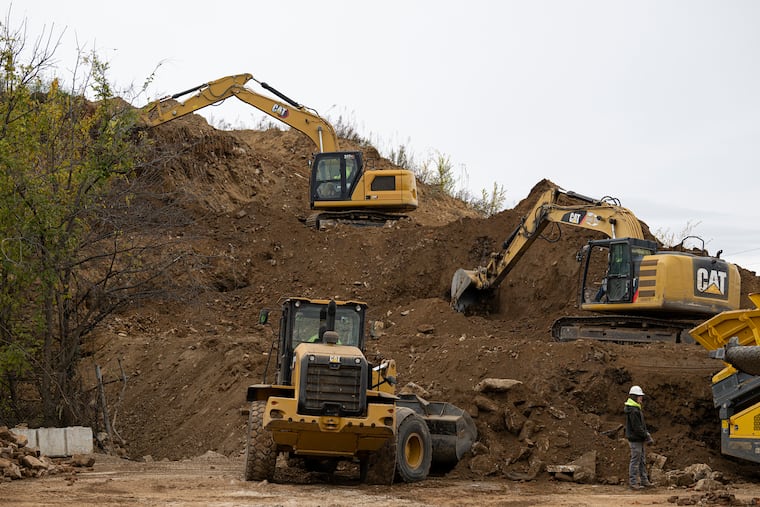
Construction is underway for a 425-unit apartment building at 111 Presidential Blvd., a project of Houston-based developer Hanover Co. Also under construction is nearby 202 Bala Ave., where ground-floor retail and around 80 residential units are being built by Philadelphia-based Cross Properties.
A long-range plan to bring 757 residential units, a 168-room hotel, offices, retail, and 12 acres of green space, including 5.5 miles of new trails, to the Bala Plaza office park was approved by Lower Merion’s commissioners in late 2022. The site has since been sold to FLD Group and the Adjmi family. The Adjmis said in 2024 that they intended to move forward with a plan similar to one originally introduced by developer Tishman Speyer, starting with a hotel and two multifamily residential buildings.
Chris Leswing, Lower Merion’s director for building and planning, said the new owners are “committed to the plan,” but that “market forces have changed,” which could potentially impact the final project.
Other pieces of the puzzle are yet to be realized, including traffic safety updates that officials hope will turn City Avenue into a pedestrian-friendly environment. The corridor can be famously congested, especially during rush hour. Construction on the City Avenue bridge hasn’t helped.
The Pennsylvania Department of Transportation is evaluating improvements to St. Asaphs Road and Belmont Avenue, a key intersection in the City Avenue corridor that has historically had one of the highest crash rates in Montgomery County. Initial proposals to construct a roundabout faced concern from residents, sending the agency back to the drawing board after it solicited public feedback. PennDot is set to release its preferred plan for the intersection this month. Improvements to the intersection may not be completed until 2029.
» READ MORE: A roundabout on Belmont Avenue? No way, some in Lower Merion say.
Meanwhile, Ennes sees the wave of new apartments not as competition, but as a sign of a healthy economy.
“We’re encouraged by the amount of investment that has occurred in the corridor over the last six or seven years,” Ennes said. “As long-term owners, we’re all for it.”
Rossman remembers driving from his office in Center City back to Bala Cynwyd every day for nearly 50 years. By the time he returned home in the post-work evening hours, City Avenue was almost always dead.
Now, he said, “I think it’s going to be alive.”

Inquirer Lower Merion
This suburban content is produced with support from the Leslie Miller and Richard Worley Foundation and The Lenfest Institute for Journalism. Editorial content is created independently of the project donors. Gifts to support The Inquirer’s high-impact journalism can be made at inquirer.com/donate. A list of Lenfest Institute donors can be found at lenfestinstitute.org/supporters.