N.J. developer plans to transform vacant North Philly warehouse into an affordable community
The project is designed to be affordable to working-class families.

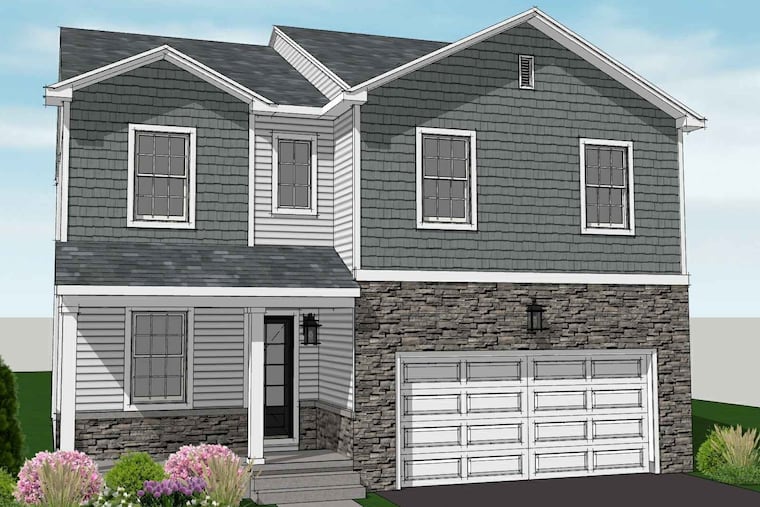
A New Jersey developer is set to transform a block of North Philadelphia with 232 new houses spread across dozens of triplexes and quadplexes.
The project at 2200 N. Eighth St. has been in the works for over two years and has been almost halved in size from the original plan presented in 2023.
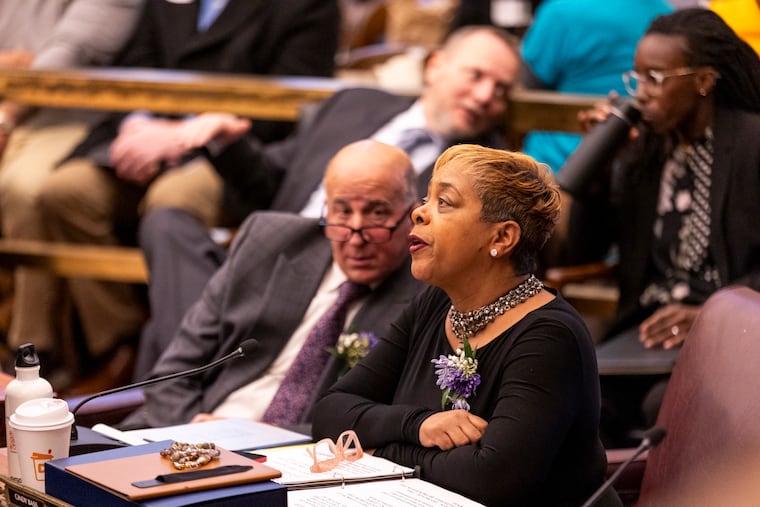
“This project is on a very large block in our community, and at first we did not like the project because it was planned for 500 units in a five- to six-story solid block apartment building that covered the entire block with a parking garage on the first floor,” said Denise Anderson, a leader with the 37th Ward registered community organization, which voted to support the project before the Zoning Board of Adjustment.
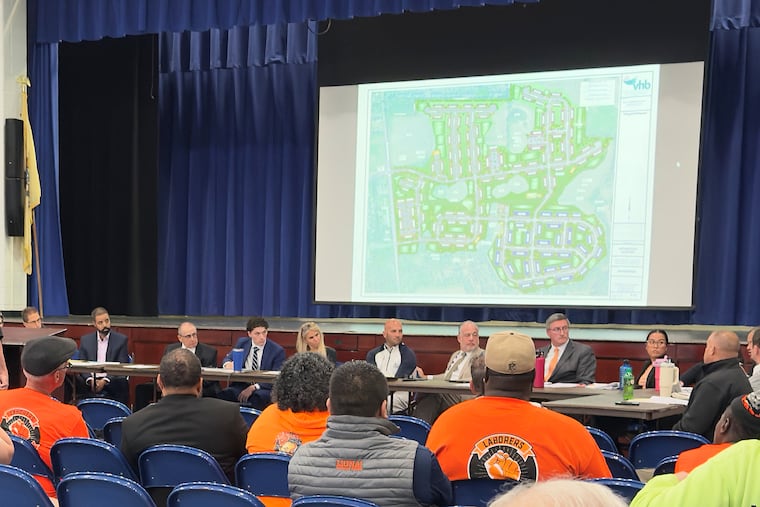
“We told the development team that 500 units was too many, and they listened,” Anderson said at a Wednesday meeting of the city’s advisory Civic Design Review committee. “The design they presented today takes into account community feedback, and the overall density of the project is much lower.”
The site spans an entire city block between Eighth and Ninth Streets and Susquehanna Avenue and Dauphin Streets. It is currently a derelict warehouse, which darkens the block at night with no trees and little lighting.
The developer also plans to eliminate all but two of the curb cuts that serviced the old warehouse, fix the broken sidewalk, plant 44 street trees, and install bike parking. The houses will front on to the sidewalk.
“It’s very dark along the site right now,” said Rustin Ohler, with Harman Deutsch Ohler Architecture, which designed the new project. The developer is adding stoops and space and “eyes on the street to all of the fronts.”
The property is still zoned for industrial use, which is one of the reasons the developer is required to go before the zoning board.
It also is providing less parking than the zoning code requires, with 92 spaces split between on-street parking — which is currently scarce on the building’s perimeter — and a parking lot on the interior of the new development that the homes will back on to.
Although the property is close to Temple University’s campus, it is not intended for students.
Instead, Ohler said that while the development will not be directly subsidized as affordable housing, it would be targeted toward local residents and families. He said that the units would be affordable to those making between $57,360 and $95,600 for a household of two.
He also said that the developer already rents to Housing Choice Voucher holders in the area, better known as Section 8, and that the units would be advertised to those with those subsidies.
“We would be taking those vouchers,” Ohler said. “We’ve also agreed with the community to do rental workshops and notification to local churches, RCOs, and postings [in the neighborhood], so that we try and obtain tenants from the community first. They get first right to units.”
The developer did not attend the Civic Design Review meeting, and the only name listed on the plans is a limited liability company that shares the address of the project. But deed paperwork filed with the city is signed by Andre Herszaft of Lakewood, N.J.
The Civic Design Review committee praised the efforts to both enliven the neighborhood and provide affordable housing.
Their only criticism was that they felt the project should offer more public space in the interior of the project, where much of the parking is planned. Ohler noted that earlier versions of the project featured those kinds of amenities, but the community preferred to maximize parking.
“We are in a position here where a bunch of designers are telling you to go against the wishes of the community,” said Dan Garofalo, of the University of Pennsylvania and a longstanding member of the CDR committee. “But we also want a city that isn’t overrun with parking.”